SECURITY CAMERA PLANNING

Security Cameras for Multifamily Properties: Entrances, Parking and Package Areas

Plan multifamily cameras for entrances, parking, package rooms, leasing offices, amenities, gates and maintenance areas in Lakeland.

A good multifamily camera plan balances visibility, resident privacy, network reliability, storage requirements, and the management team's ability to find useful footage quickly.

Commercial-first planningAssociations, businesses, managed properties, multifamily sites, construction partners and professional low-voltage projects.
Infrastructure-aware guidanceCamera planning is connected to cabling, PoE, recording, network readiness, access control and handoff documentation.
Lakeland branch contextLakeland site identity, contact information and Florida license.

Entrances and Leasing Areas

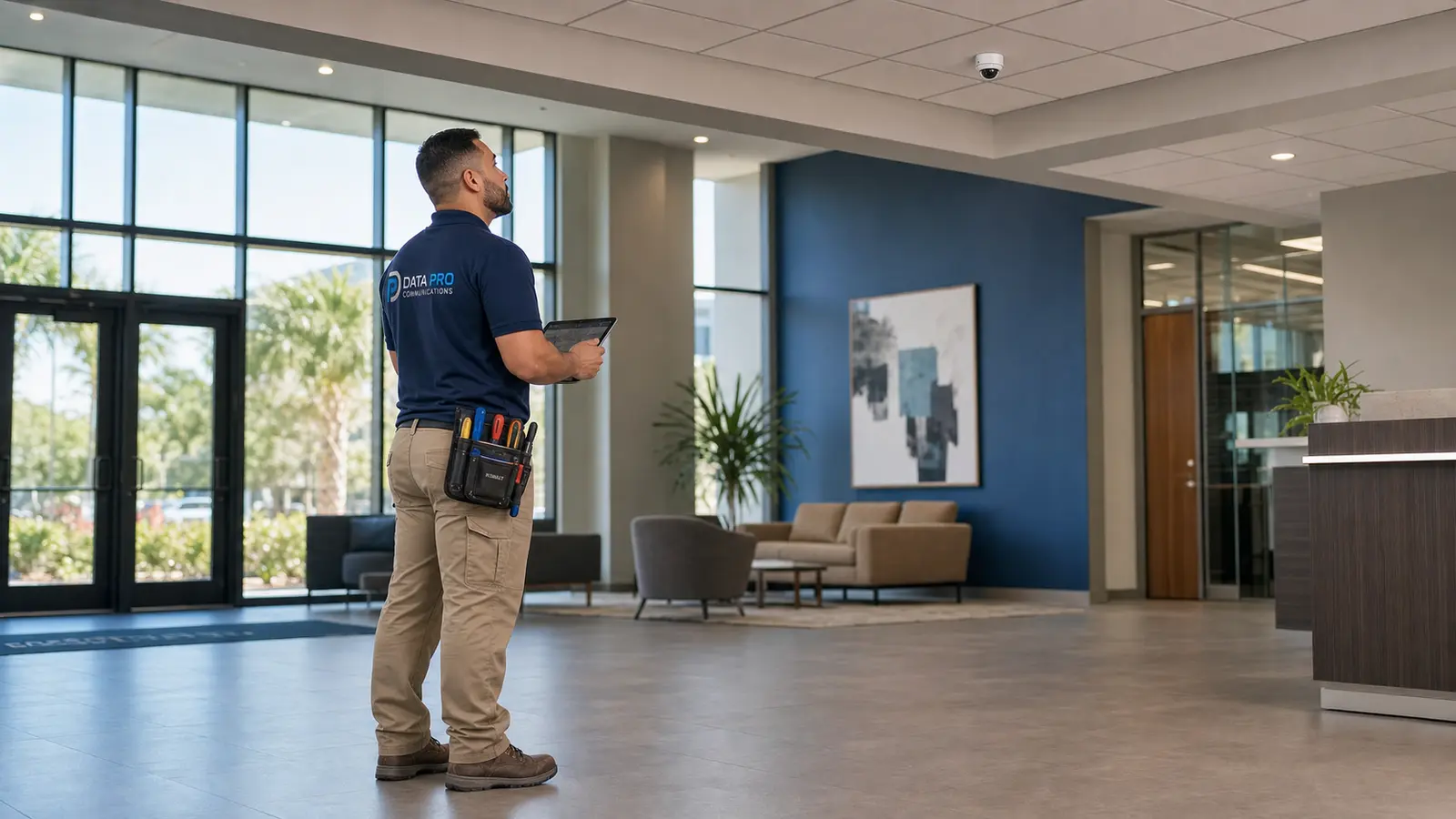
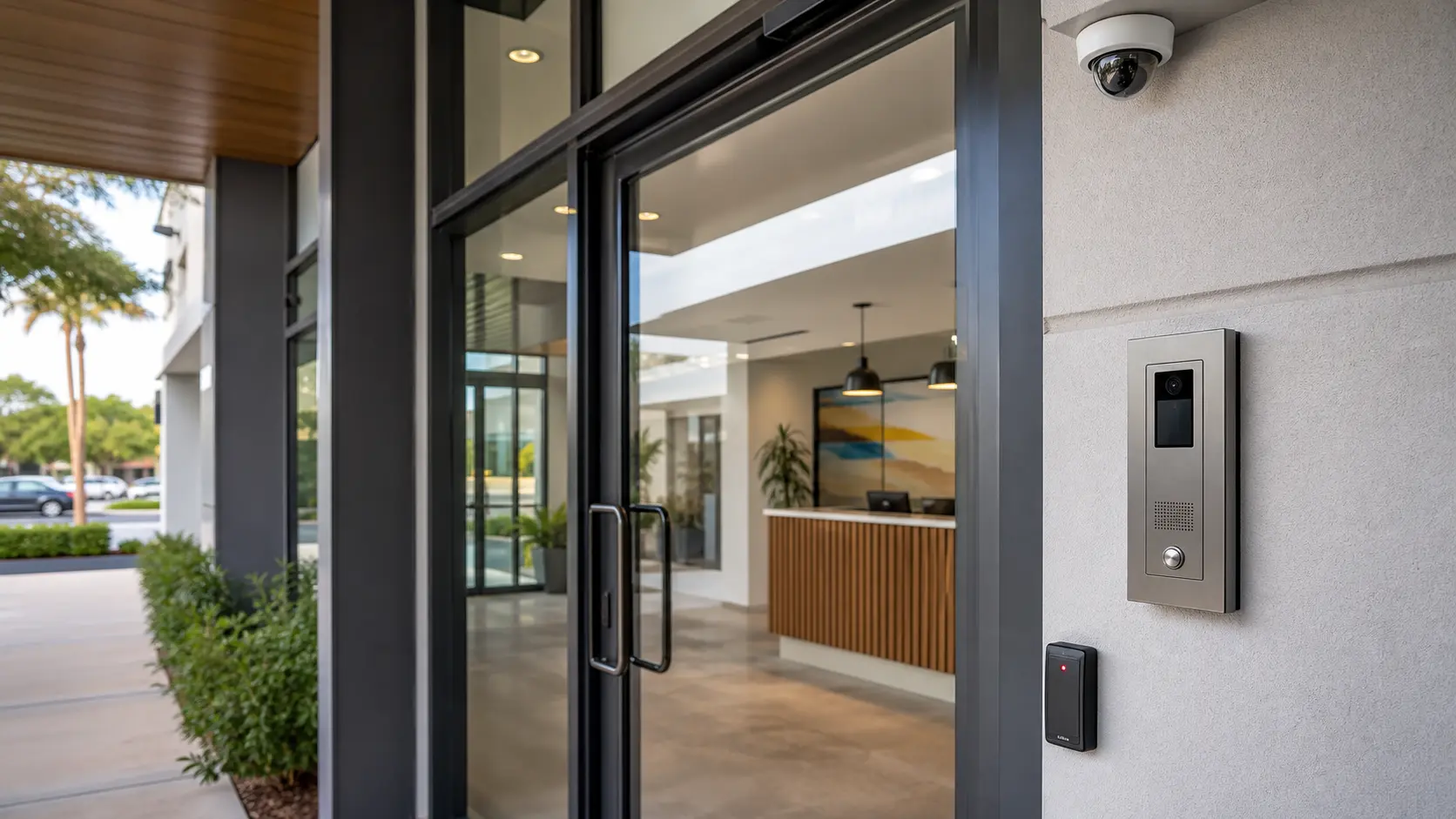
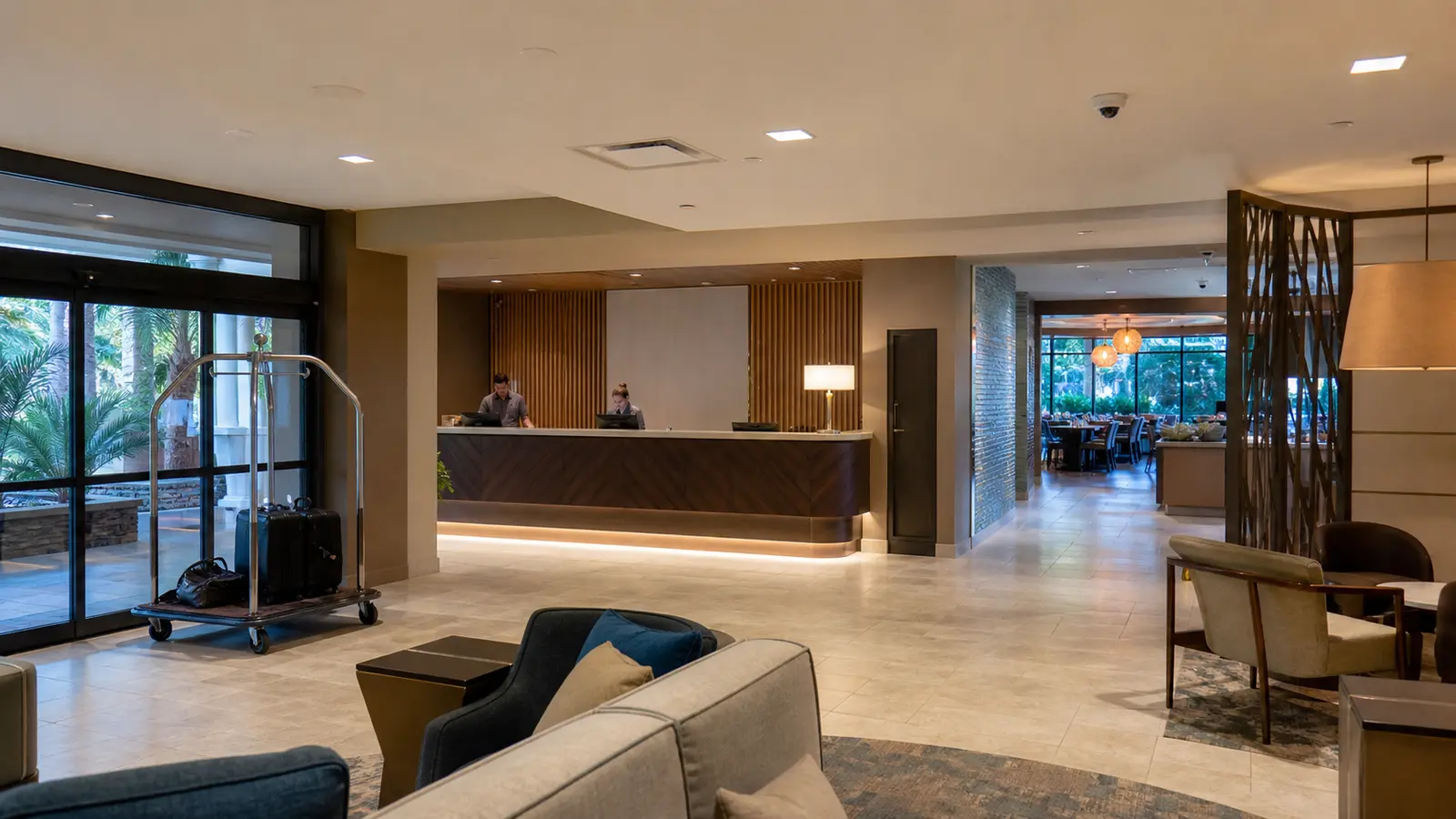
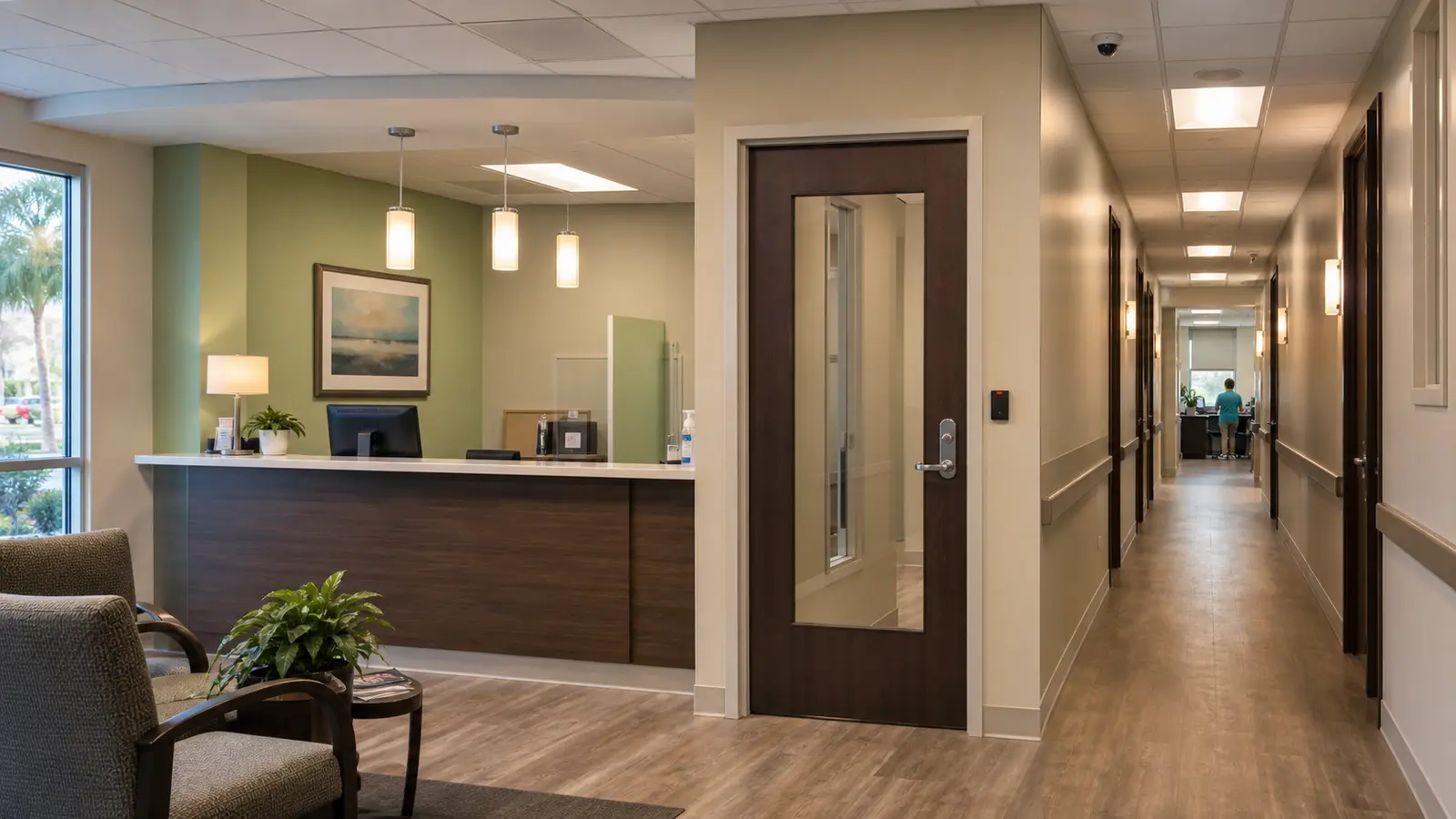
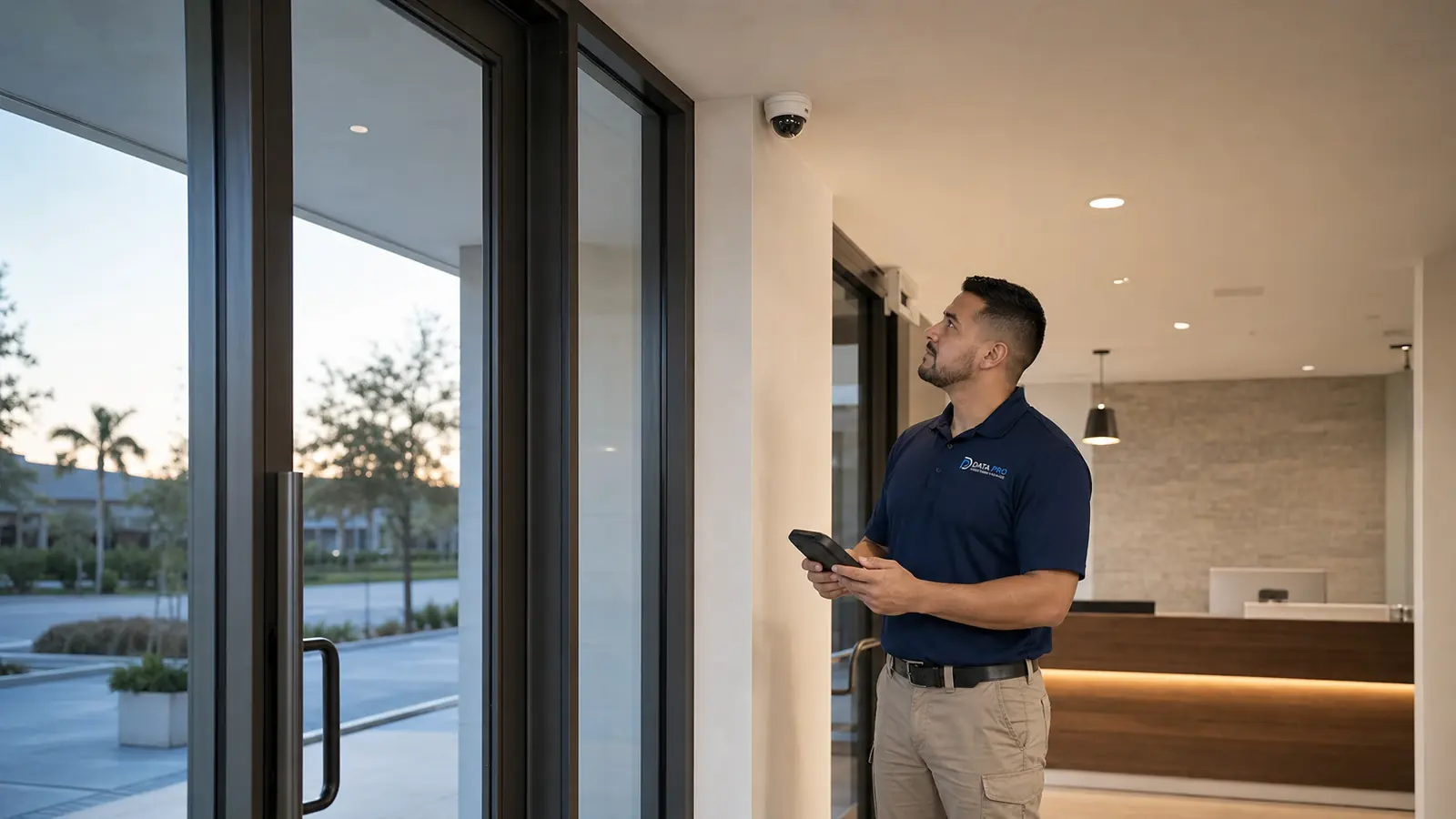
Main entrances, leasing-office doors, vestibules, lobby paths, stair entries, elevator lobbies, and staff doors often need different camera angles and detail levels.

The goal is not simply to cover every square foot; it is to capture usable entry and movement views where events are likely to be reviewed later.

Camera names should match real locations so leasing staff, maintenance teams, or authorized managers can find footage without guessing.

Parking, Gates and Exterior Movement

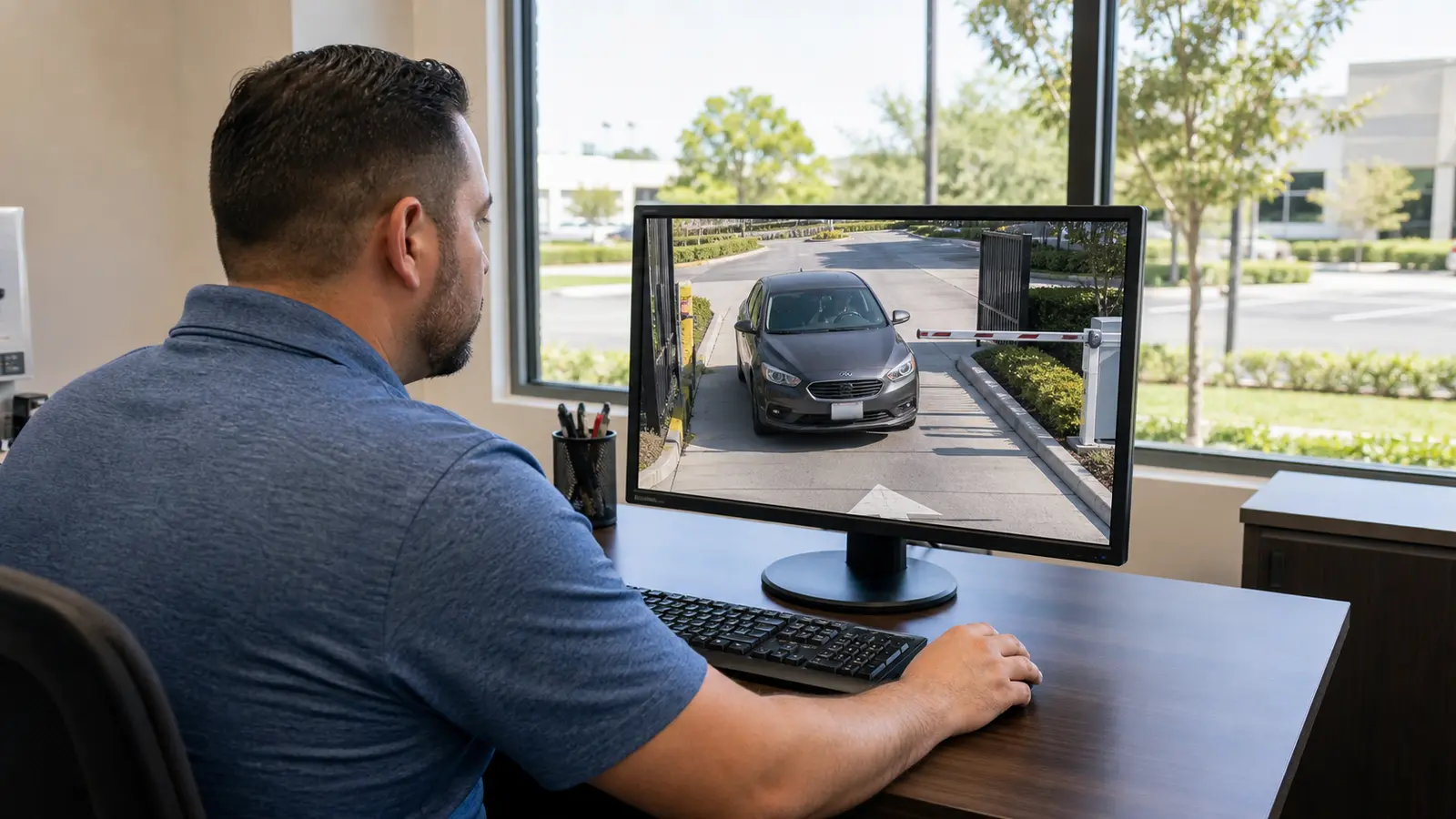
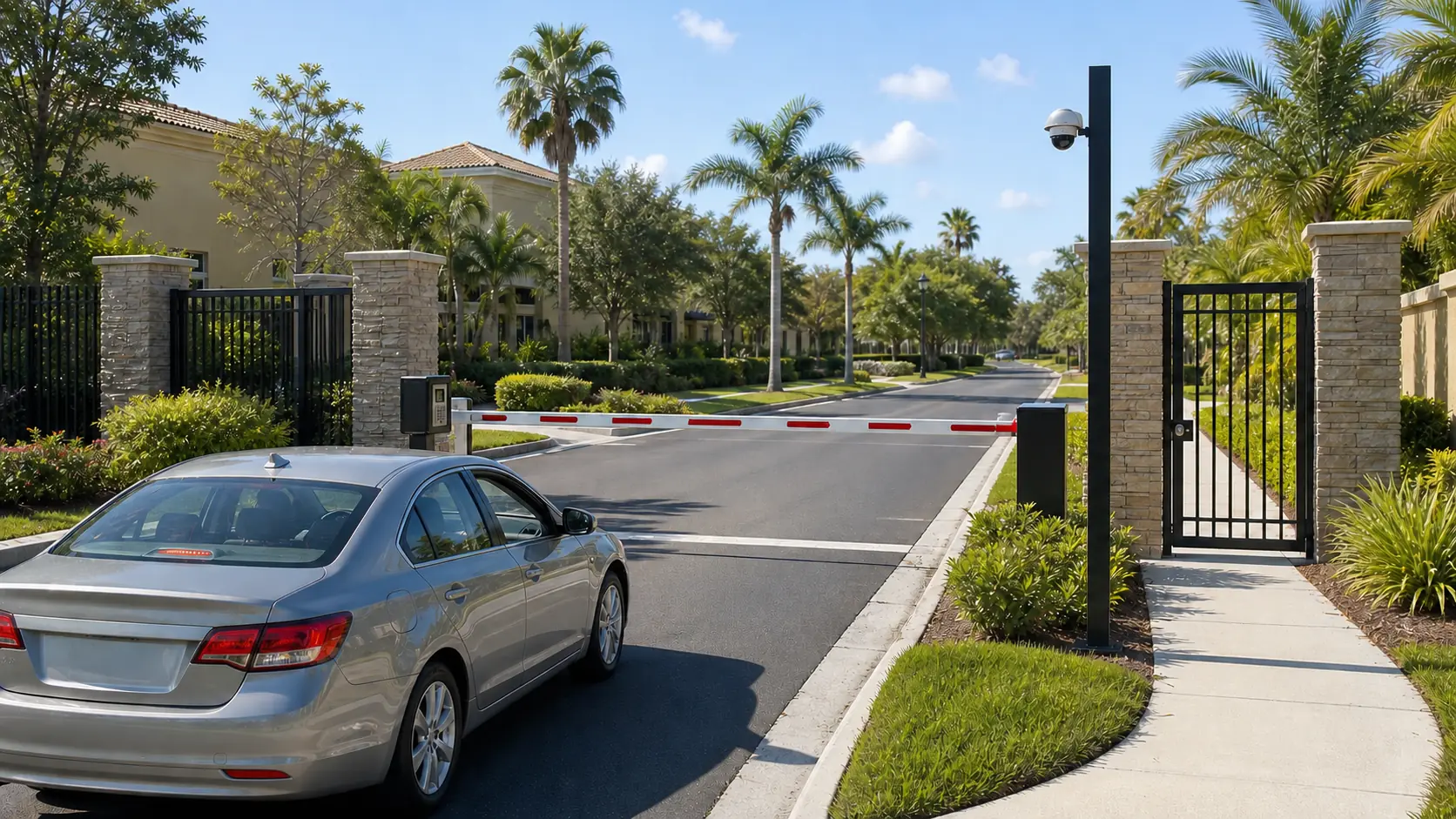
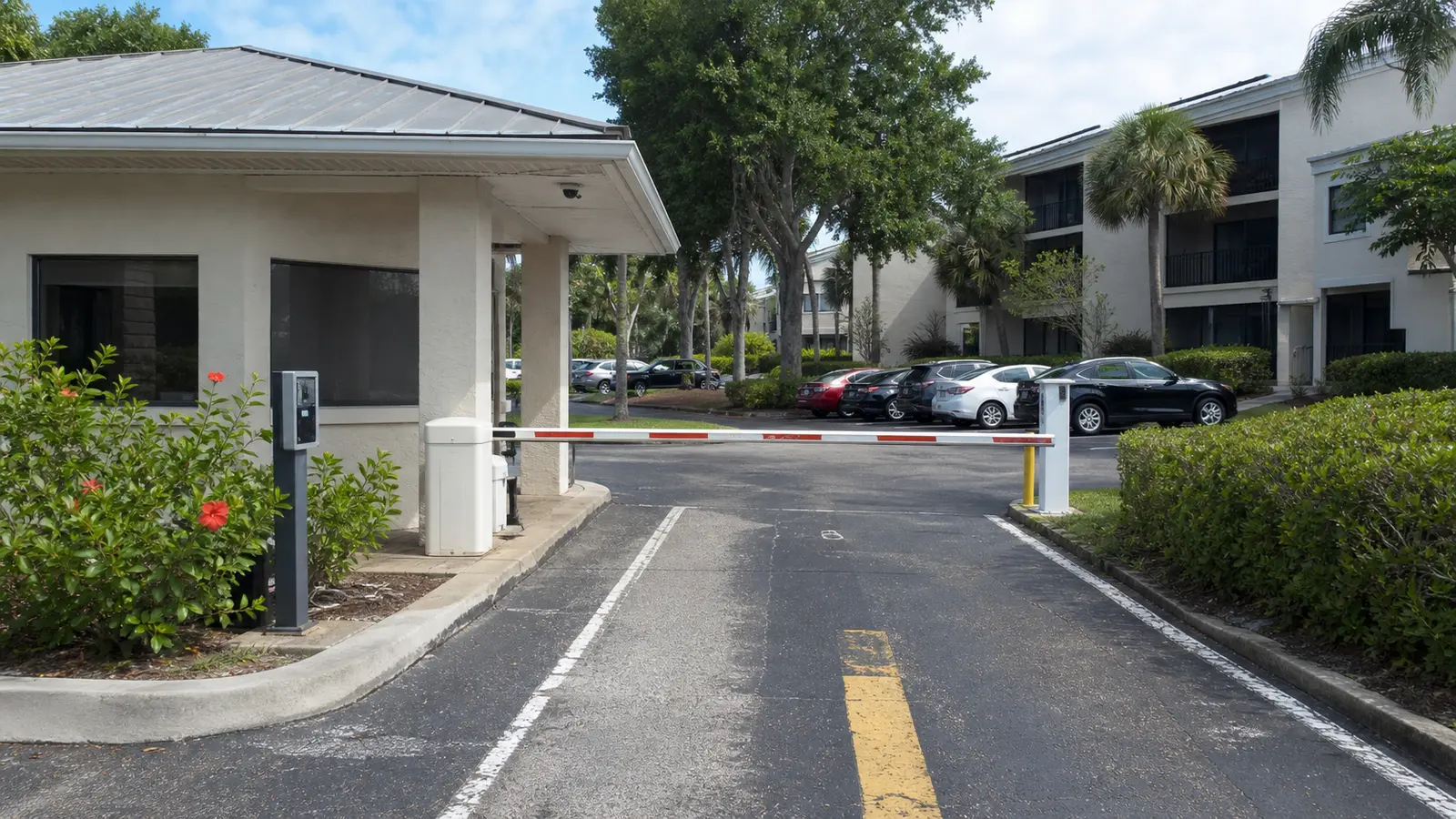
Parking areas may need a combination of wide overview cameras and narrower detail cameras at entrances, drive lanes, pedestrian routes, gates, and high-activity zones.

Lighting, headlights, landscaping, building corners, carports, weather exposure, and mounting height can all affect whether parking video is useful.

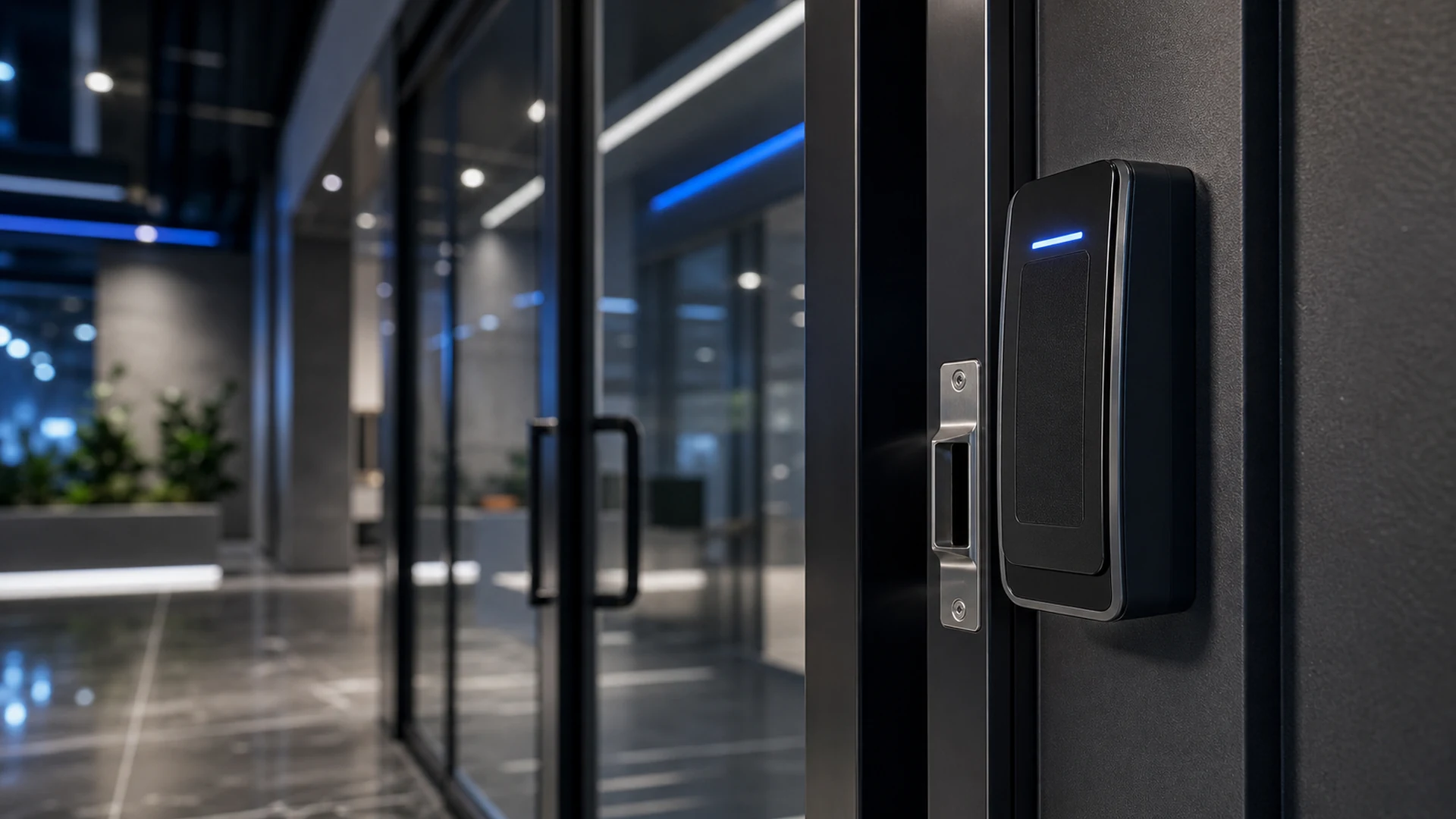
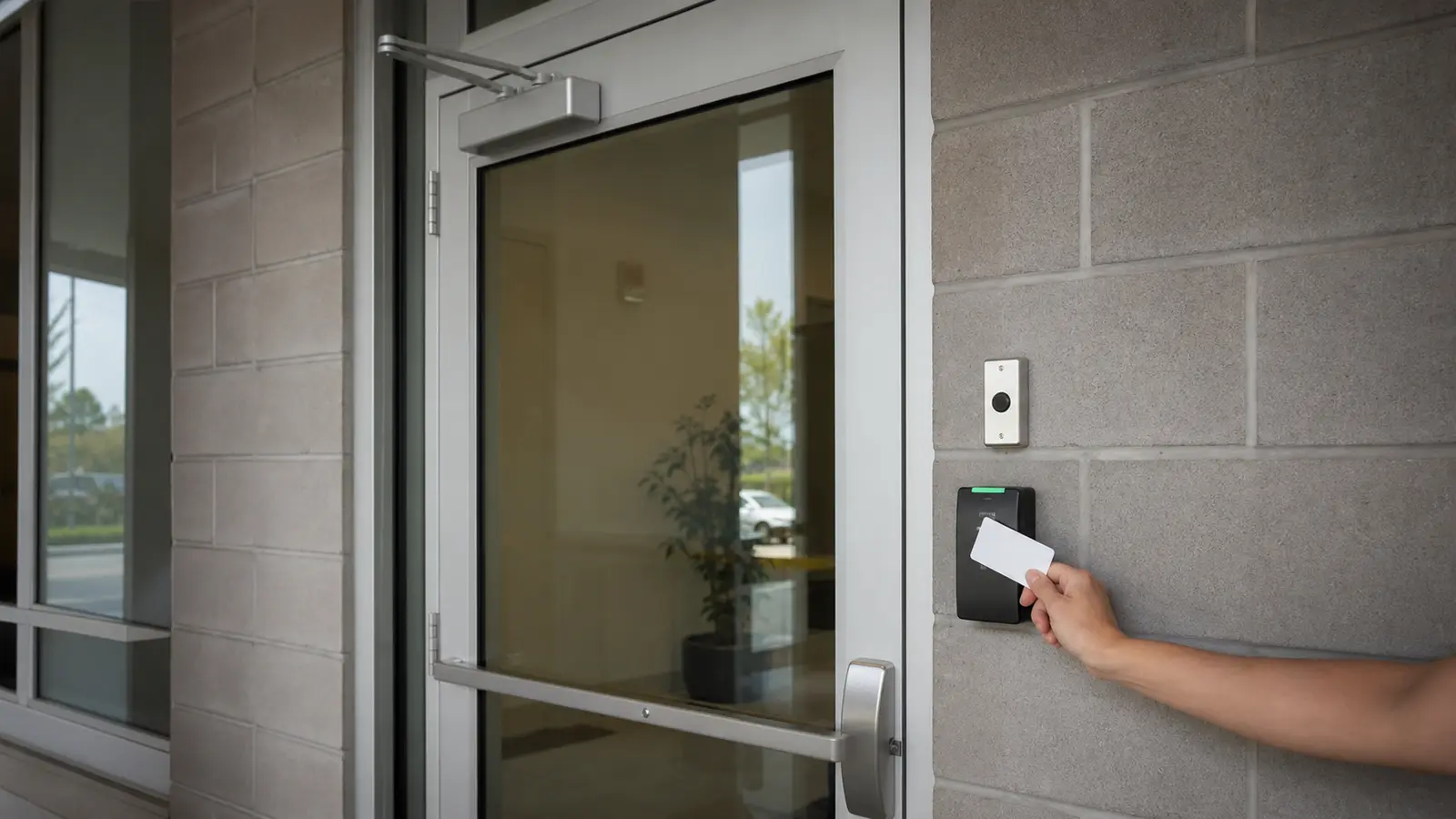
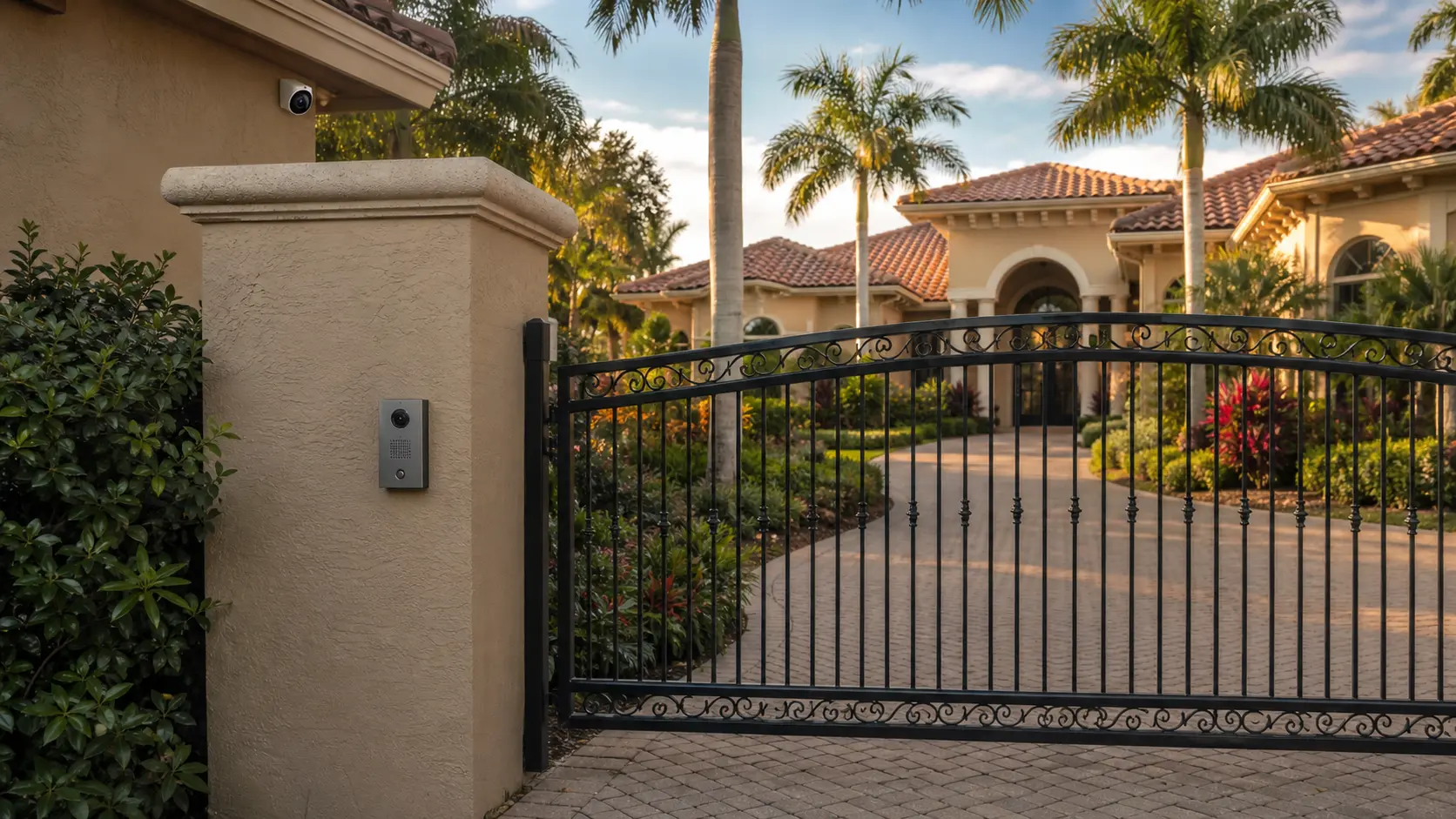
Gate cameras should be coordinated with access control, intercoms, license-plate-adjacent views, and resident or vendor entry workflows when those systems are in scope.

Package and Amenity Areas

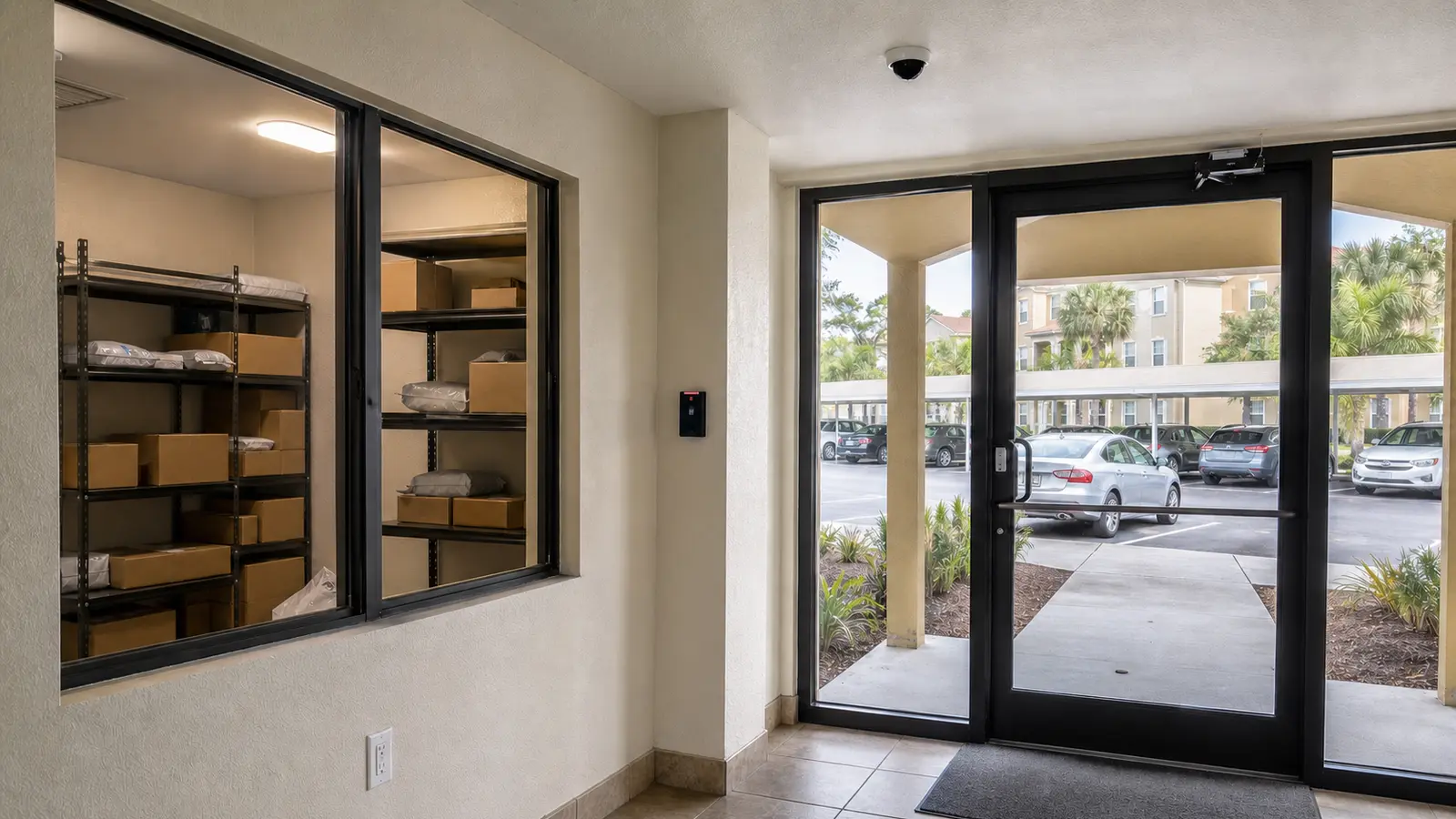
Package rooms, mail areas, lockers, clubhouses, gyms, pools, laundry rooms, and shared workspaces need careful camera placement and clear privacy boundaries.

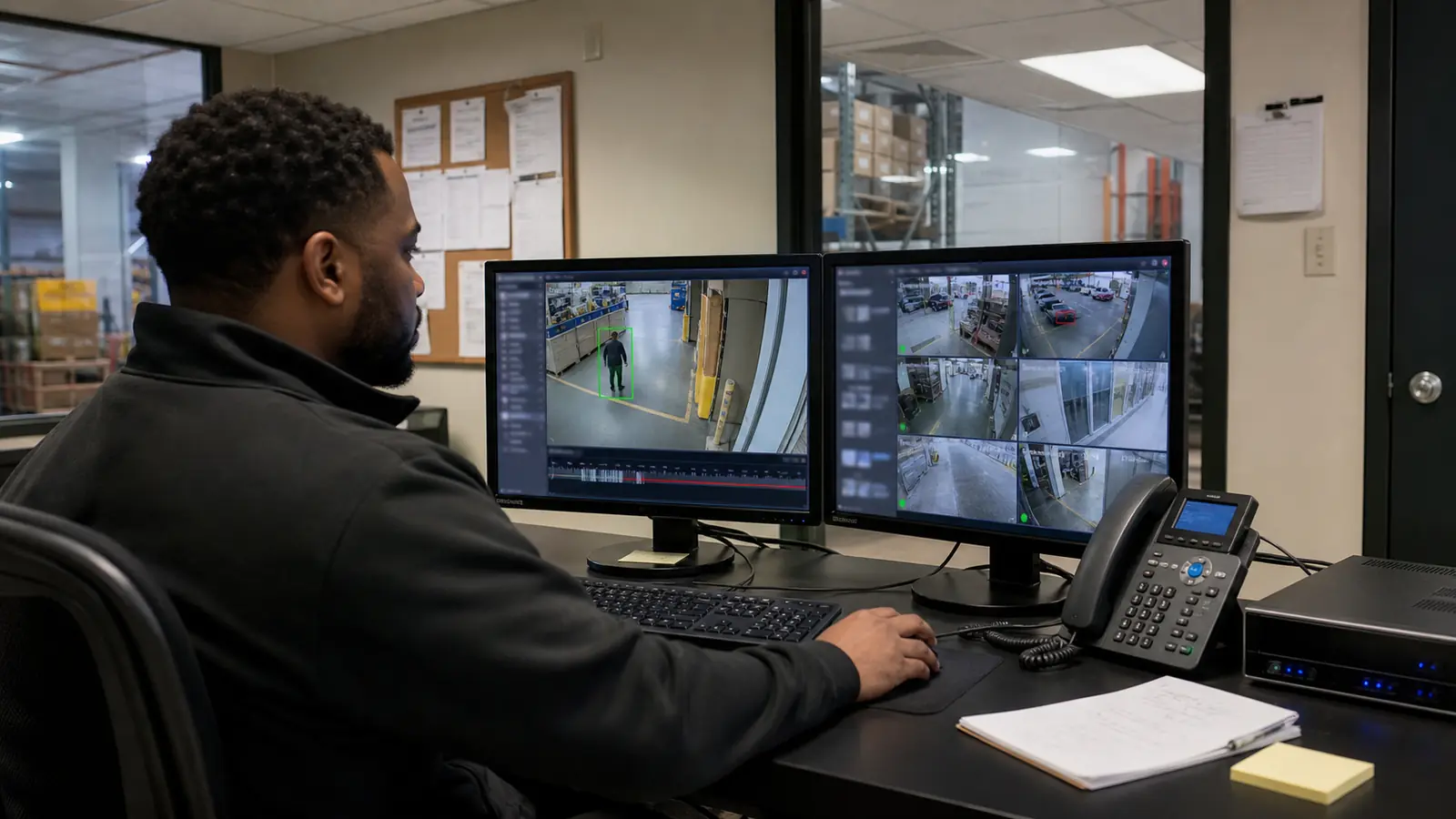
Managers should decide who reviews footage, how long recordings are kept, and how camera coverage will be communicated before complaints or incidents occur.

For package areas, camera views should account for carrier access, resident pickup paths, door swings, shelves, lockers, lighting, and blind spots.

Infrastructure for Multifamily Sites

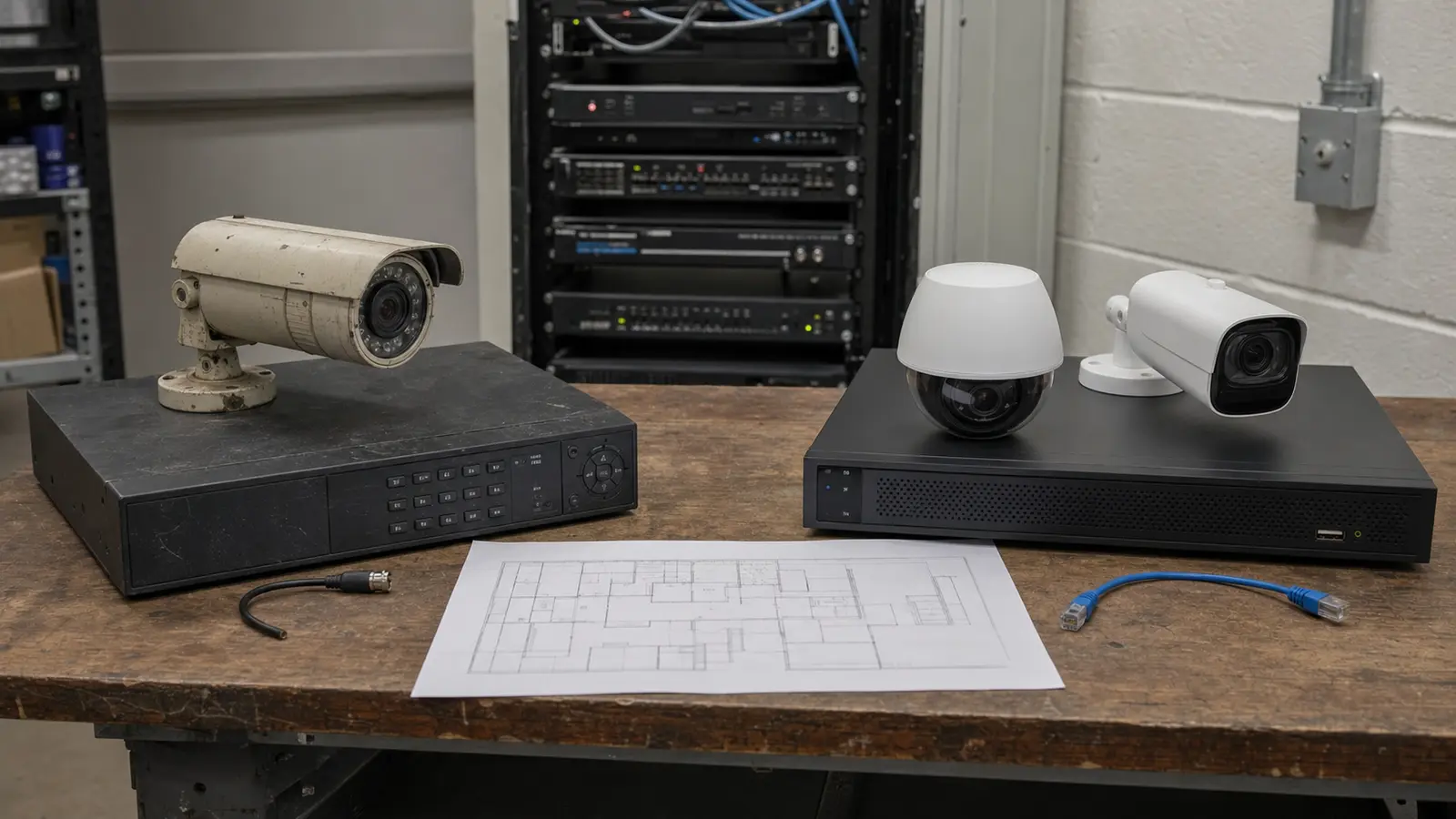
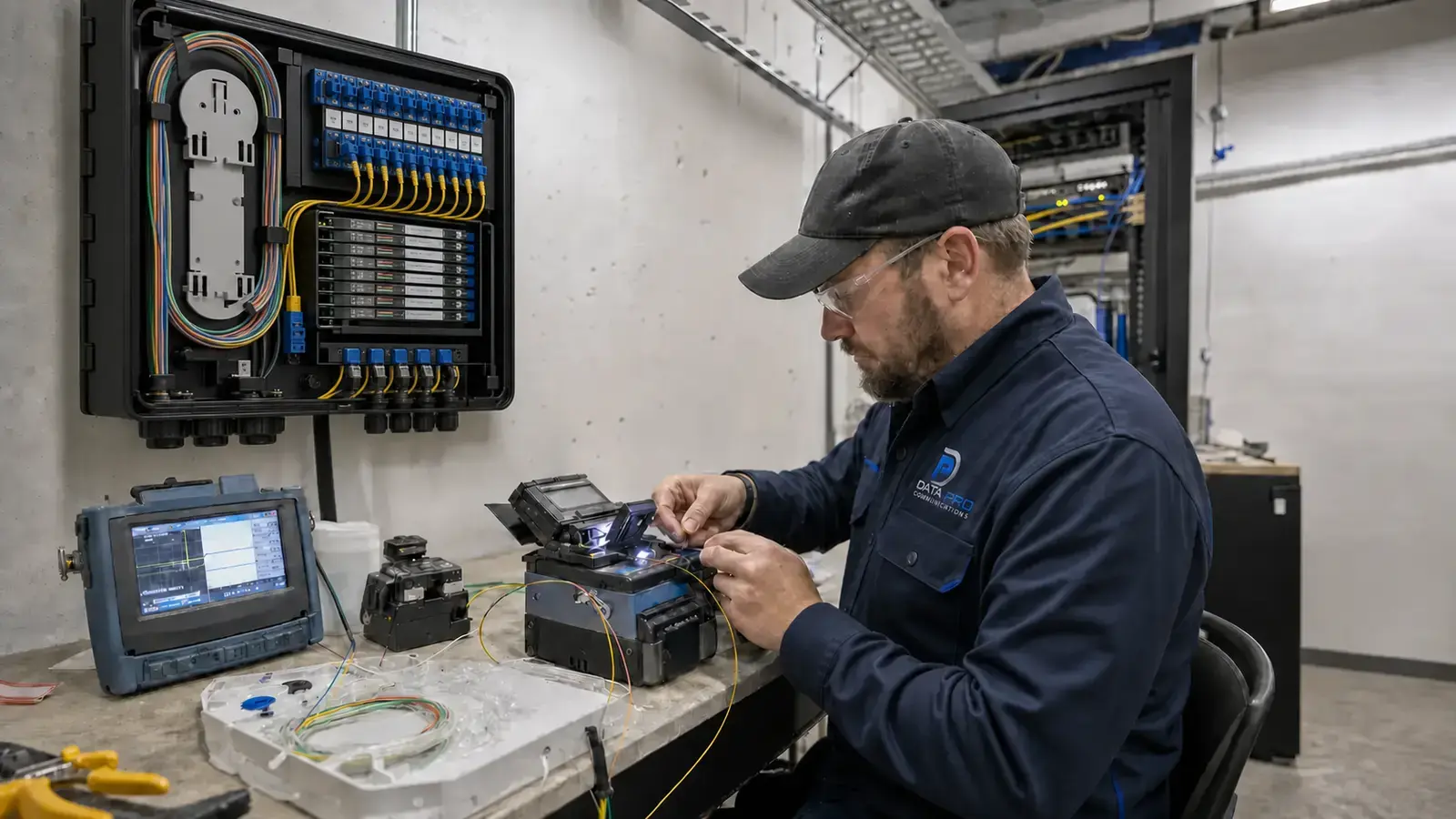
Multifamily properties often require cabling across multiple buildings, remote equipment areas, IDF locations, network closets, outdoor pathways, and shared amenity buildings.

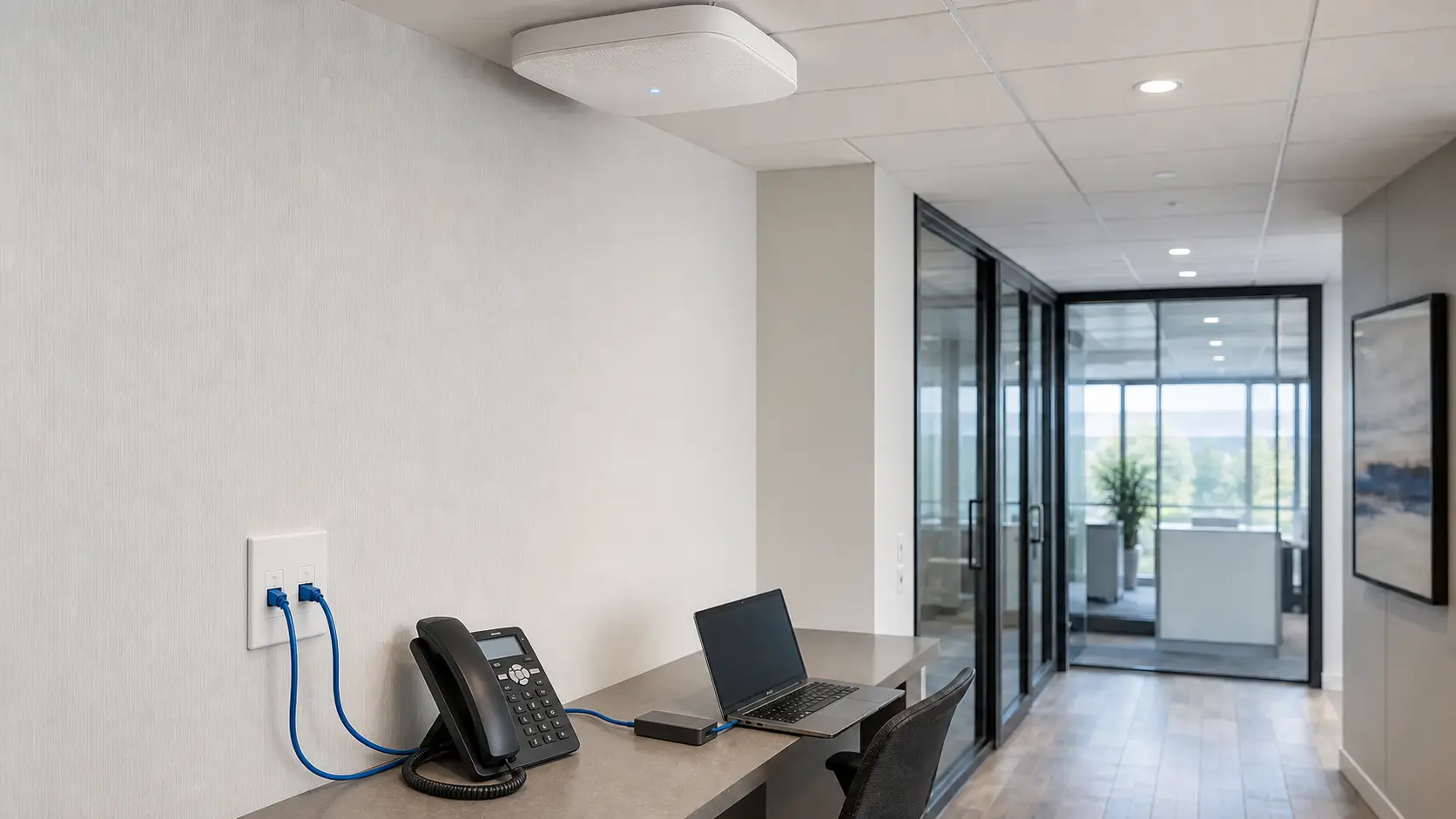
PoE switch capacity, fiber or backbone needs, recorder location, network segmentation, UPS backup, and labeling should be part of the design.

A phased installation can reduce disruption while still building toward a documented property-wide camera system.
Multifamily Camera Planning Process

1

Define the operating goal

Clarify the property type, priority areas, user roles, response expectations and infrastructure constraints.

2

Review the site and pathways

Evaluate camera views, cable routes, PoE capacity, network equipment, recording location and access-control relationships.

3

Build the implementation plan

Match camera types, cabling, switching, storage, permissions and handoff documentation to the property.

4

Test and document the system

Confirm views, playback, remote access, retention assumptions, labels, user permissions and service notes.

Choose the Right Lakeland Solution

Multifamily Camera Planning FAQs

Where should multifamily security cameras usually be placed?

Common locations include entrances, leasing offices, lobbies, gates, parking areas, package rooms, mail areas, amenities, stair entries, elevator lobbies, maintenance spaces, and exterior approaches.

How should package rooms be covered?

Package-room planning should consider carrier entry, resident pickup paths, shelves, lockers, door swings, lighting, blind spots, retention goals, and who is allowed to review footage.

Do parking lots need special camera planning?

Yes. Parking areas often require a mix of overview views and detail views at entrances, drive lanes, pedestrian paths, and higher-activity areas.

Can cameras integrate with apartment access control?

Yes. Cameras can be coordinated with gates, controlled doors, intercoms, package-room access, amenity entry, and staff-only doors.

How should resident privacy be handled?

Camera views should focus on shared operational areas and avoid private interiors, restrooms, changing areas, and other privacy-sensitive spaces.

Can one recorder support multiple apartment buildings?

Sometimes. The answer depends on camera count, network design, fiber or backbone connections, storage needs, recorder or VMS capacity, and site layout.

What affects retention for multifamily cameras?

Retention depends on camera count, resolution, frame rate, motion settings, storage capacity, incident review expectations, and property policy.

Should leasing staff have camera access?

Only approved roles should have access. Permissions should match property policy and should be documented during handoff.

Can camera installation be phased by building or area?

Yes. A phased approach can prioritize entrances, package areas, parking or amenities first while preserving pathways and capacity for later additions.

What cabling is common for multifamily IP cameras?

Cat6 or Cat6A cabling is common for IP cameras, with fiber or backbone planning used when buildings, distances, or network closets require it.

How can a property reduce blind spots?

Blind spots are reduced through site review, camera height planning, lens selection, lighting review, cable pathway planning, and testing after installation.

What should a multifamily camera handoff include?

A handoff should include camera names, locations, coverage notes, network and recorder details, access permissions, cabling labels, and service recommendations.

Request a Multifamily Camera Site Review

Lakeland Cameras Installation by Data Pro Communications provides security camera planning, installation, structured cabling coordination, recording setup and low-voltage support for Lakeland and Polk County properties.