Reader and Credential Planning
Reader placement, card, fob, PIN, or mobile-credential planning based on the door type, user flow, and administrative needs.
Lakeland and Polk County Commercial Low-Voltage Solutions
Commercial access control planning and installation support for doors, credentials, readers, controllers, locks, monitoring points, and connected security workflows. Data Pro Communications helps commercial teams plan clean, documented infrastructure that supports daily operations and future serviceability.
Door Access Control helps Lakeland commercial properties create a cleaner, easier-to-support foundation for connected operations. The service focuses on commercial door access control, credentials, card and fob readers, controllers, electric locks, request-to-exit devices, door position monitoring, management software, and integration with supporting systems. It is appropriate for owners and managers who need practical planning, implementation coordination, documentation, and repair recommendations based on verified conditions.
This page is intentionally differentiated from sibling pages. Visitor intercom conversations, tenant directory workflows, gate communication, camera troubleshooting, and network switching are separate service intents unless they support the access-control scope. The public copy should keep door access control as the dominant intent and reference sibling services only as supporting coordination points.
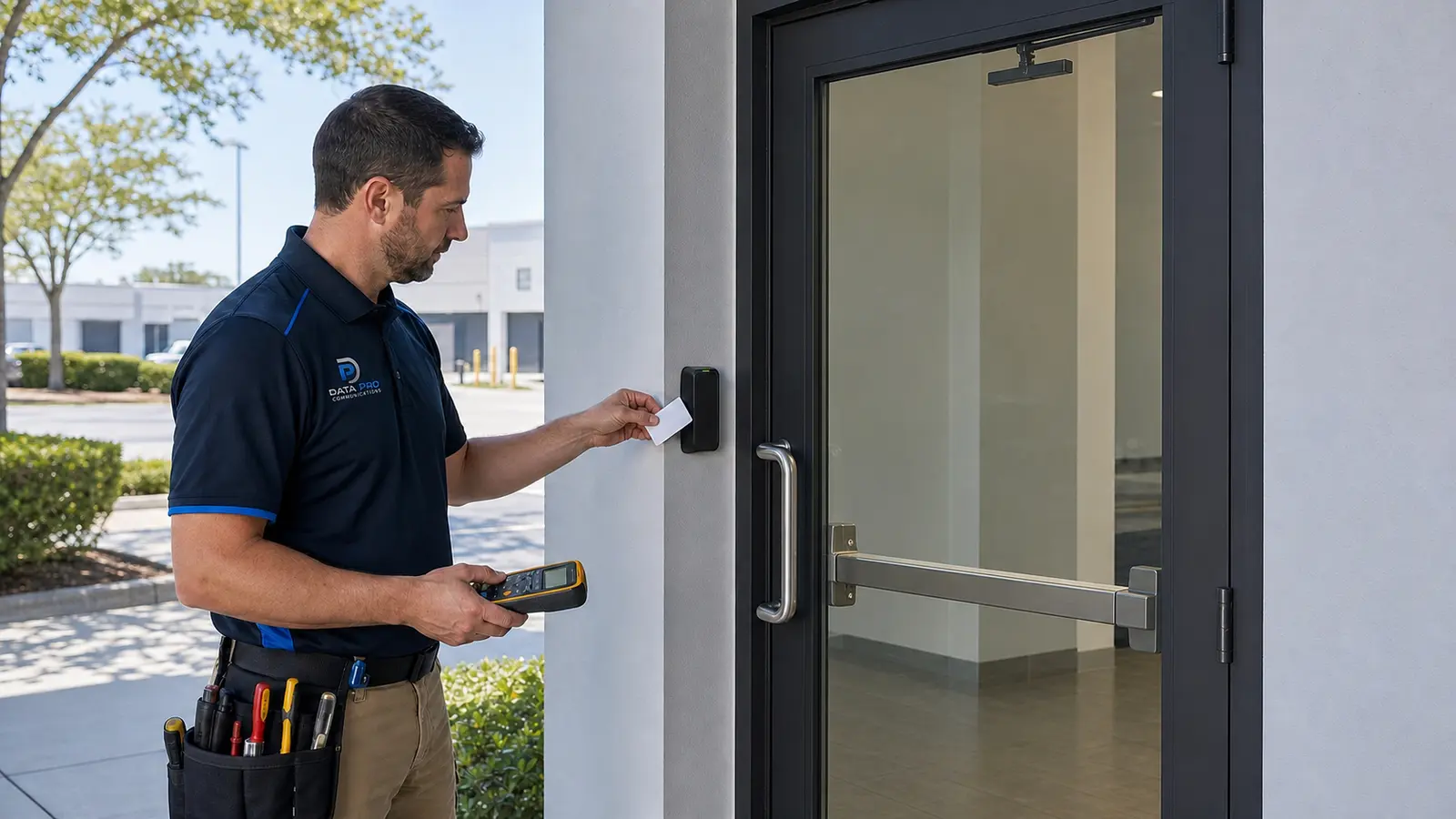
Reader placement, card, fob, PIN, or mobile-credential planning based on the door type, user flow, and administrative needs.
Coordination of control panels, power, electric strikes, maglocks where appropriate, request-to-exit devices, and door-position monitoring.
Support for access schedules, user groups, administrative roles, credential workflows, and owner handoff expectations.
Planning for offices, suites, employee entries, restricted rooms, exterior doors, and shared access points across a property.
Coordination where access events should align with video review, visitor entry, or receptionist workflows.
Review of current readers, panels, locking hardware, cabling, software, and operational issues before repair or upgrade recommendations.
Lakeland and Polk County properties often combine logistics operations, office administration, healthcare and professional services, hospitality, retail, multifamily communities, and industrial activity within the same regional market. Door Access Control work in this environment should be planned around active operations, future serviceability, clear labeling, coordination with connected systems, and realistic recommendations based on site conditions.
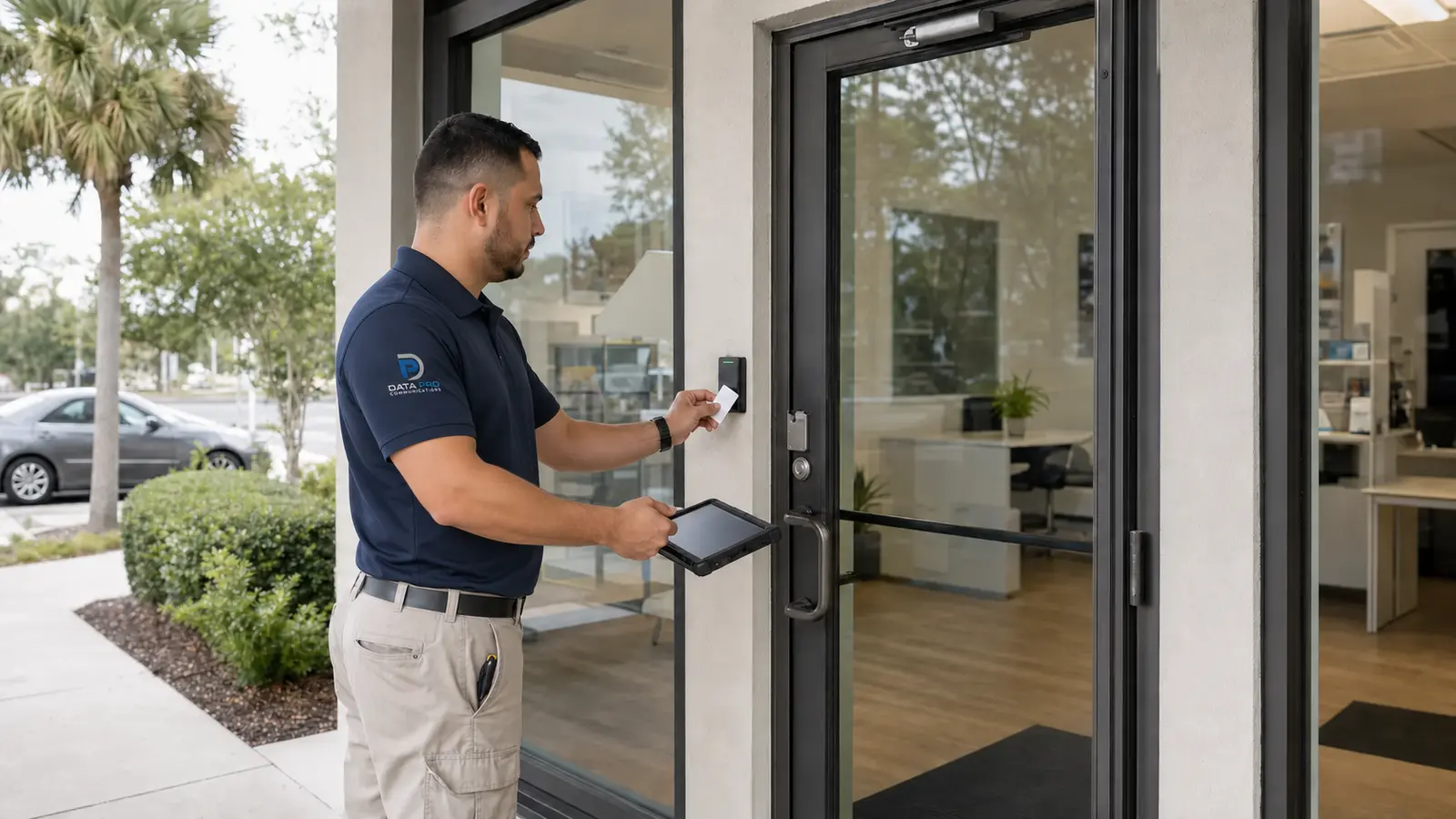
replacing key-heavy entry management with credential-based employee and tenant access.
controlling employee doors, shipping entries, inventory rooms, and administrative areas.
separating public areas from staff, records, equipment, or restricted spaces.
managing staff entries, back-of-house doors, storage rooms, and manager areas.
coordinating clubhouse, amenity, gatehouse, and management-office access.
that need consistent access rules, user administration, and documented door hardware coordination.
Review goals, property type, existing conditions, user workflows, connected systems, and site constraints.
Evaluate pathways, equipment locations, documentation, power, network dependencies, and integration needs related to the service scope.
Provide recommendations based on verified findings, including scope priorities, phased options, and supporting service dependencies.
Coordinate implementation handoff, labeling, documentation, owner review, and next-step planning for future support.
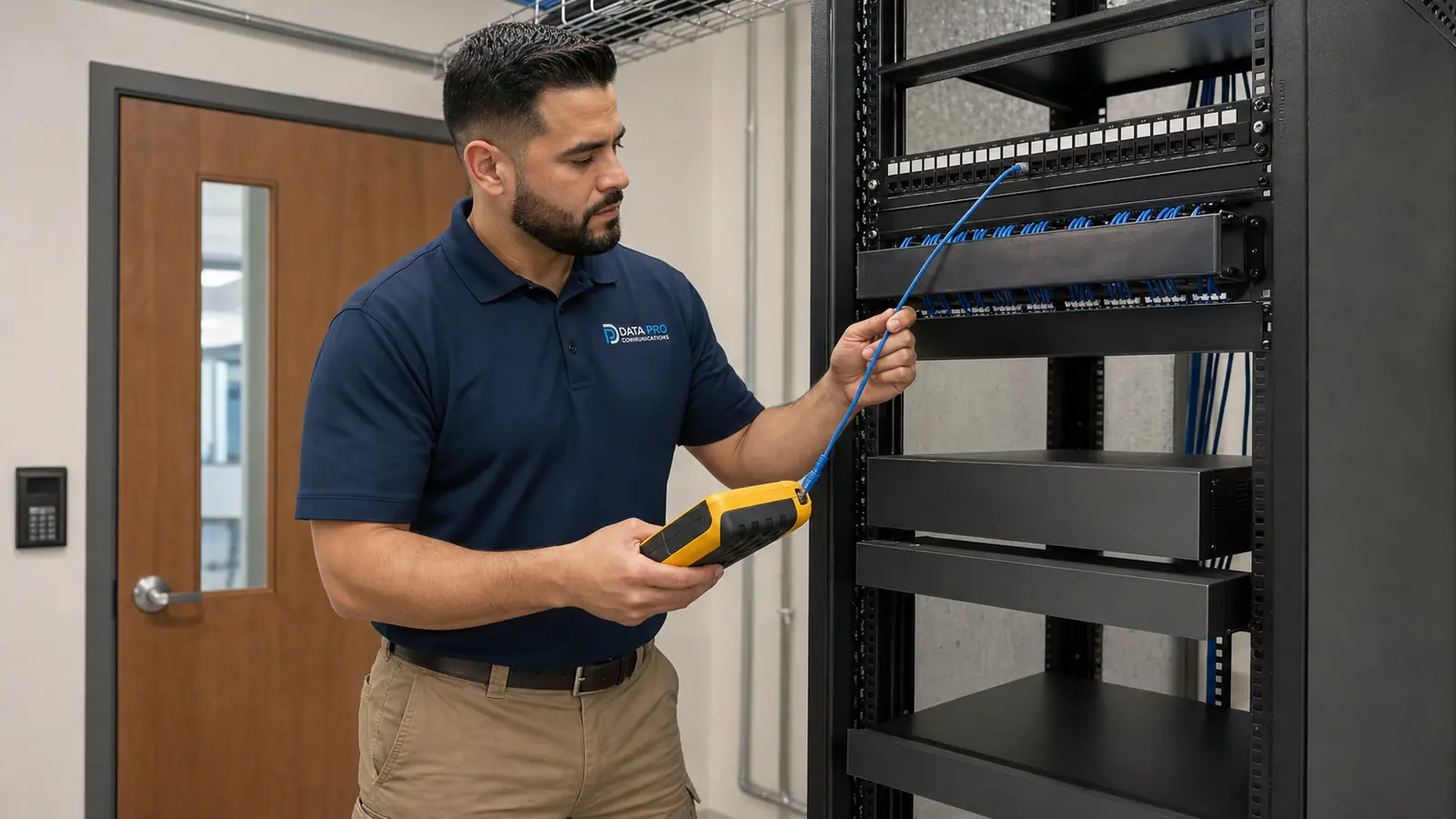
Inspect cameras, cabling, PoE, recording, storage and documentation before reliability suffers.
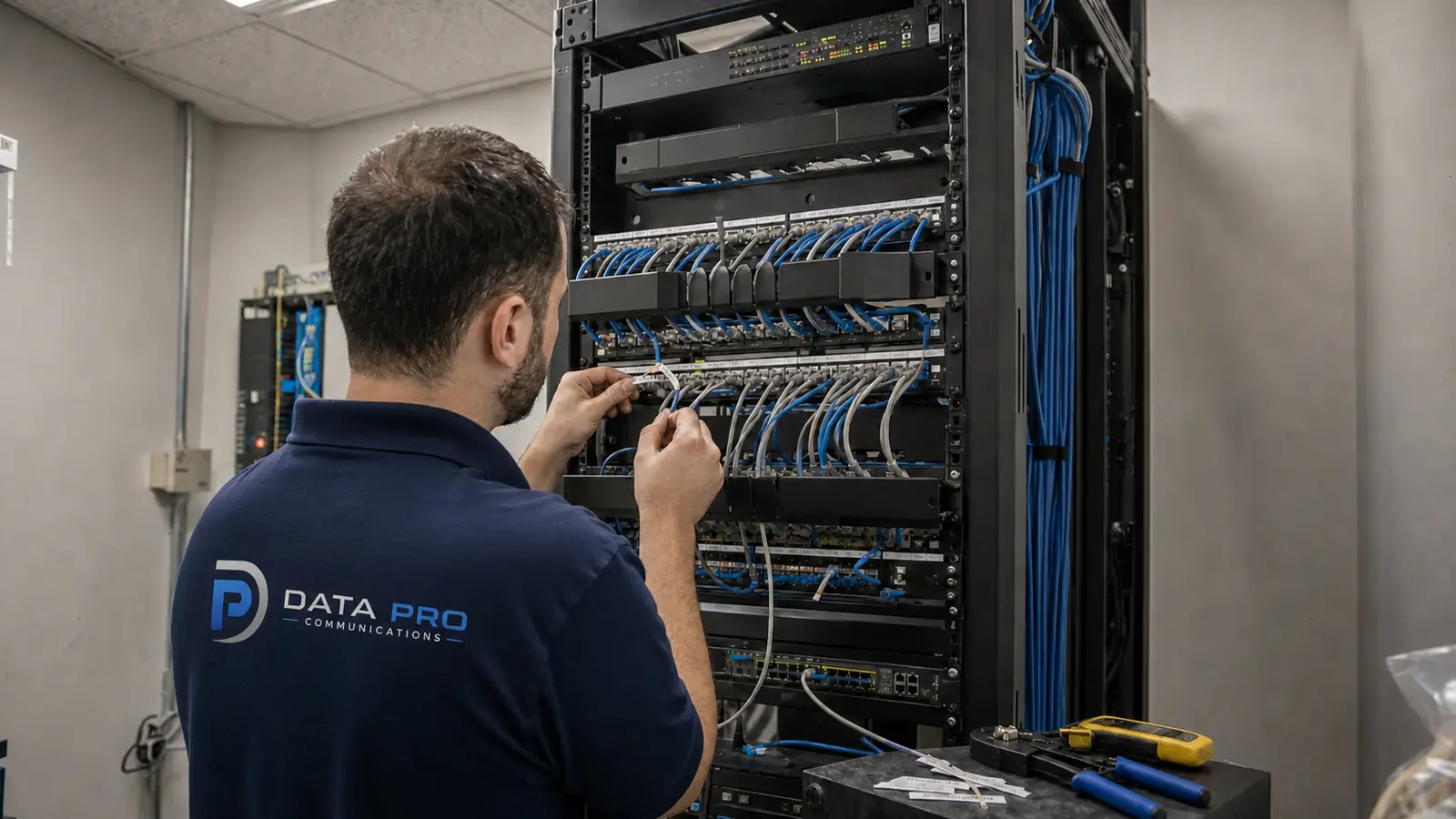
Organize commercial cable pathways, racks, patching, labeling and testing for serviceable infrastructure.
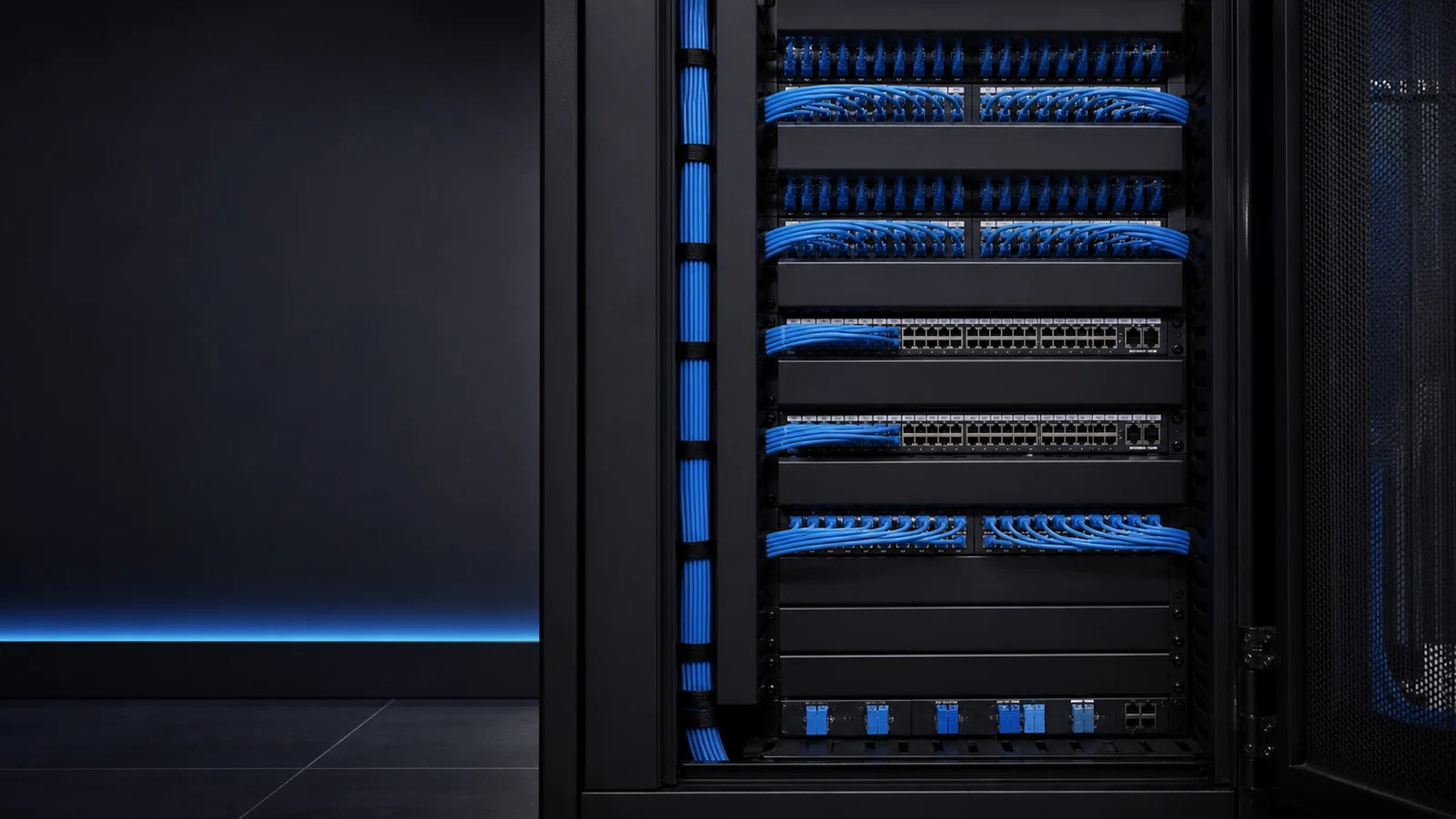
Plan dedicated Cat6 and Cat6A drops, pathways, terminations, rack organization, testing and documentation.
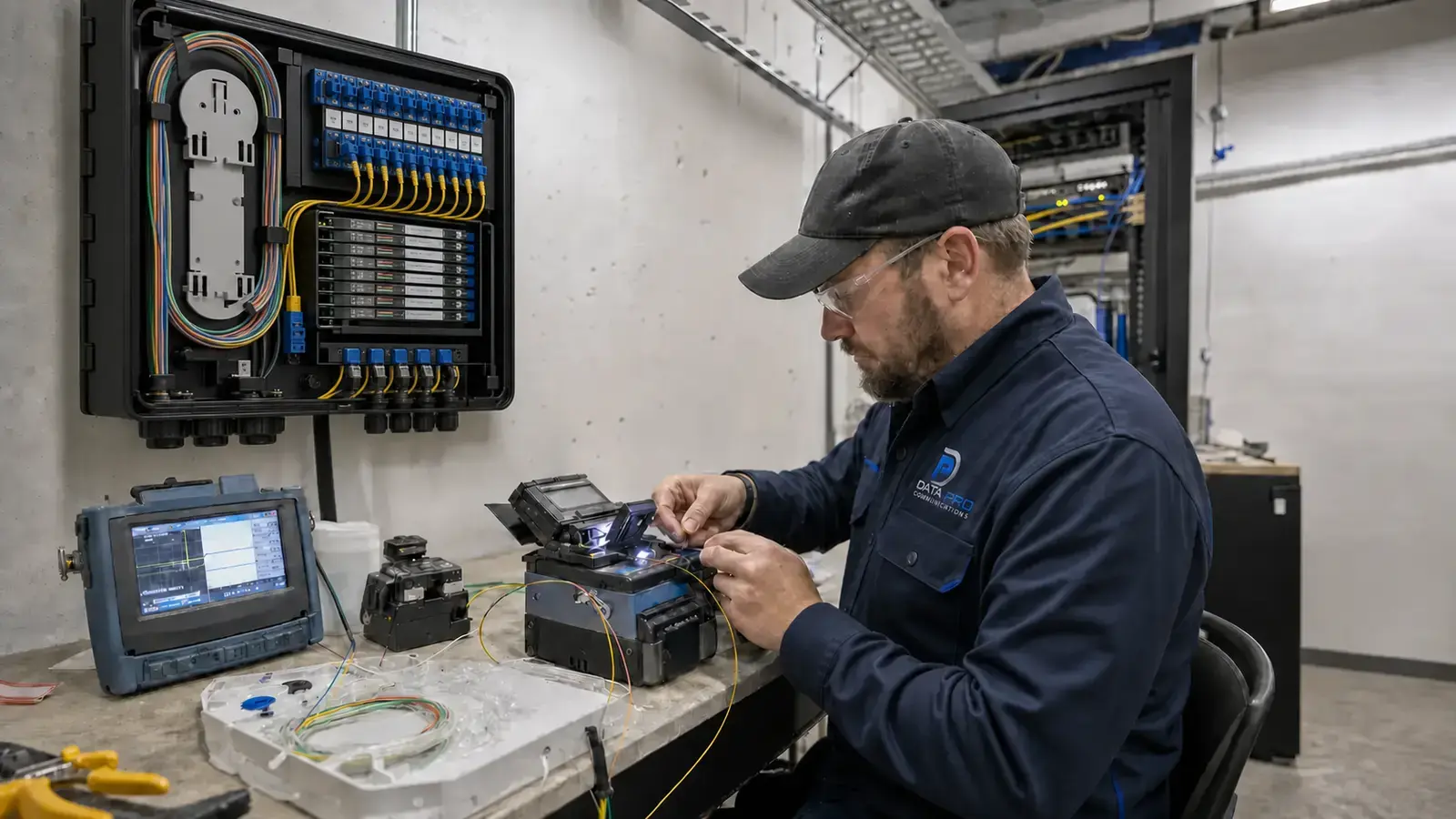
Plan backbone, building-to-building fiber, termination, testing and repair for high-capacity connections.
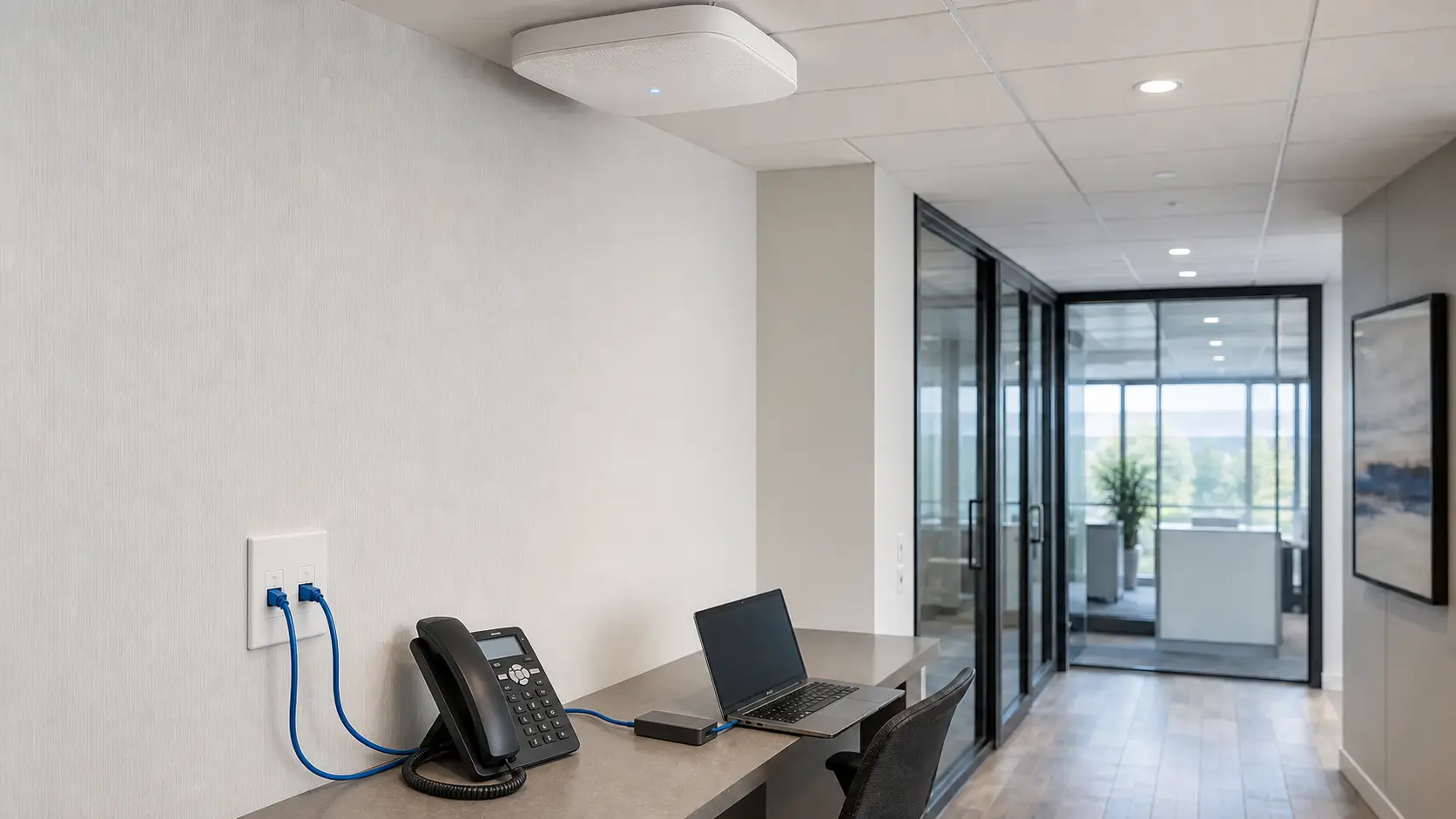
Coordinate PoE, switching, racks, Wi-Fi and segmentation for reliable connected systems.
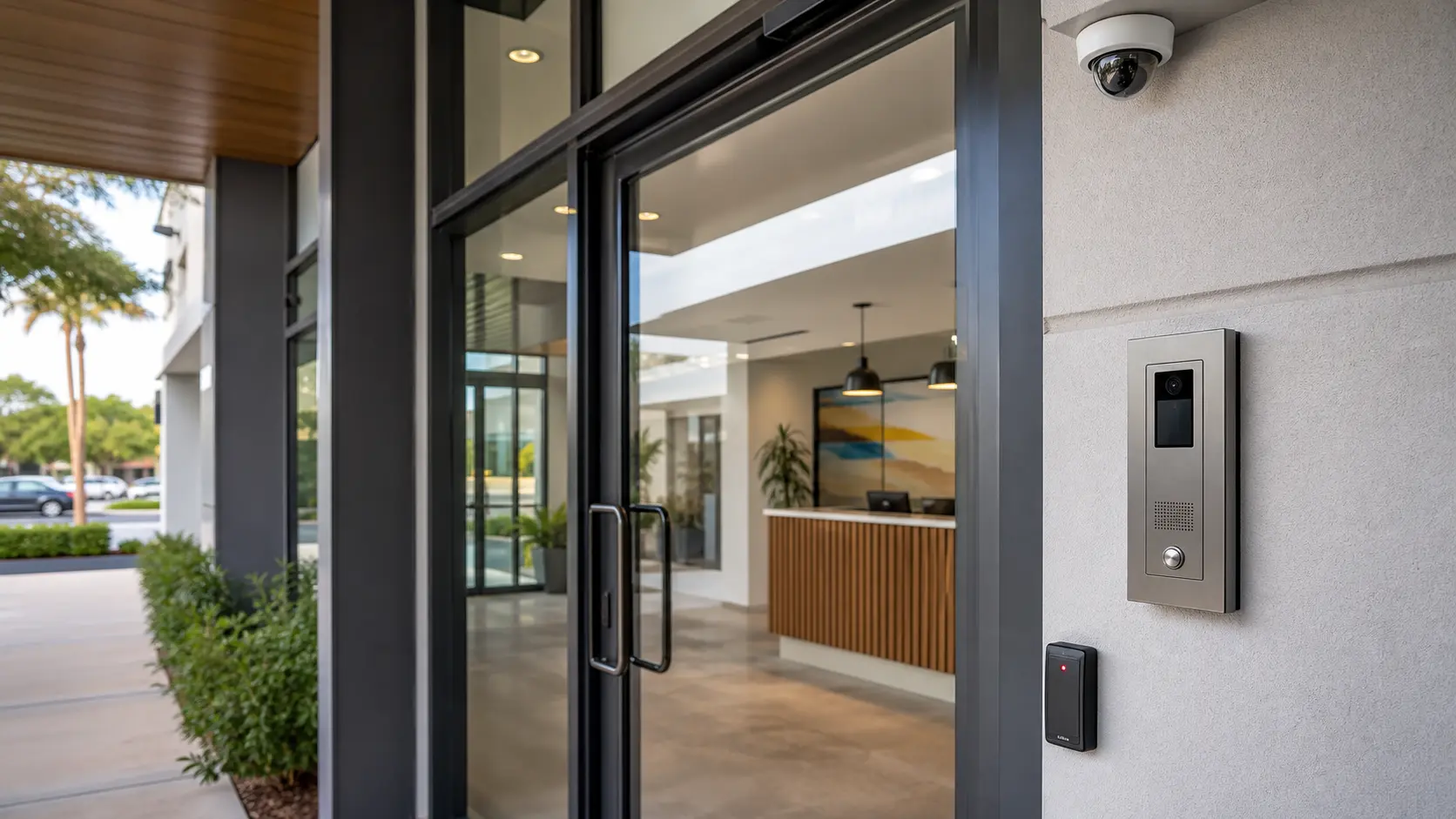
Coordinate visitor communication, door stations, gates and access-control integration for managed entry.
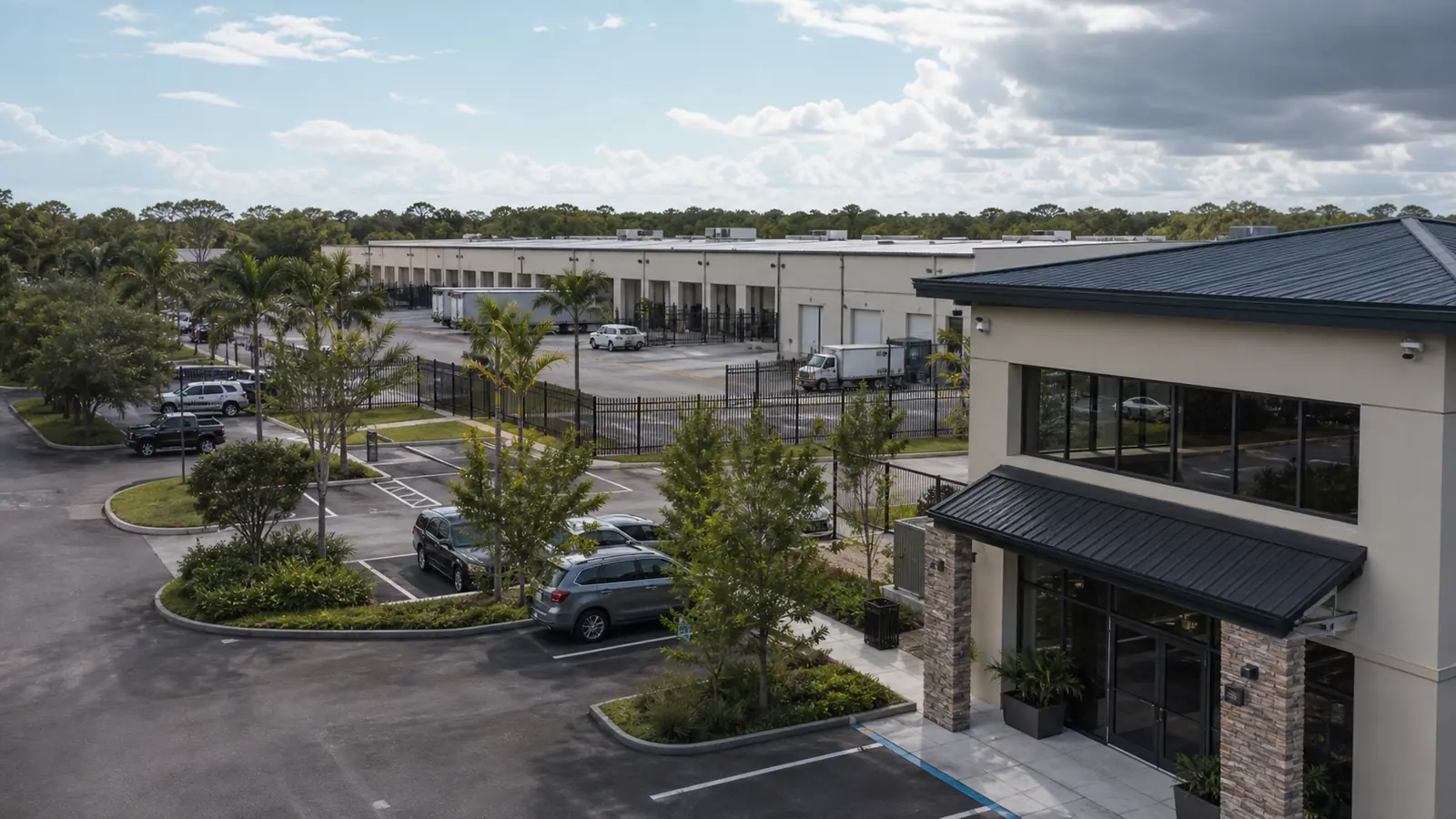
Compare property-specific camera, access, cabling and network planning for Lakeland commercial environments.
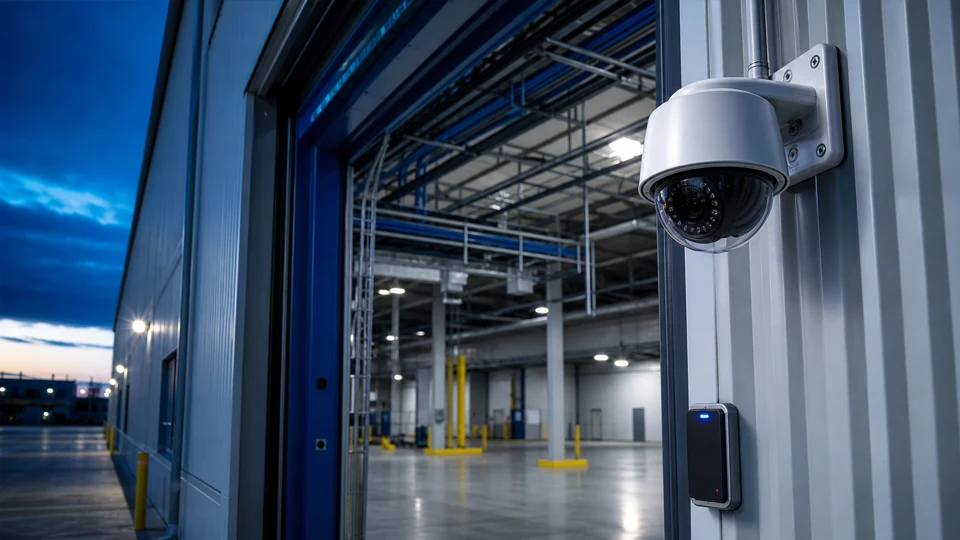
Coordinate cameras, controlled entry and infrastructure across production areas, perimeters and equipment yards.

Plan cameras, access, cabling and recording around docks, aisles, yards and logistics workflows.
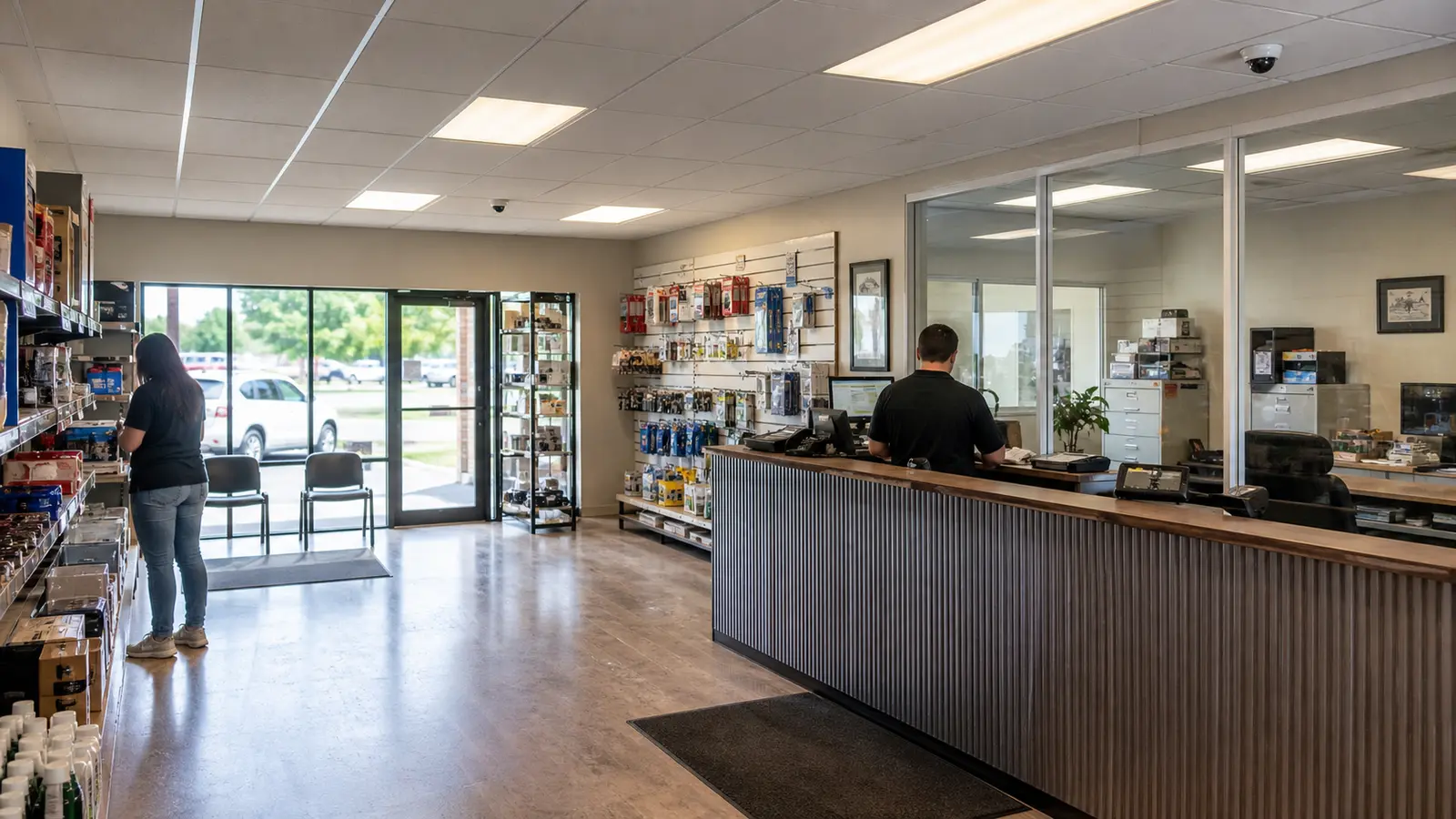
Protect entrances, customer areas, staff spaces, stock rooms and shared office circulation.
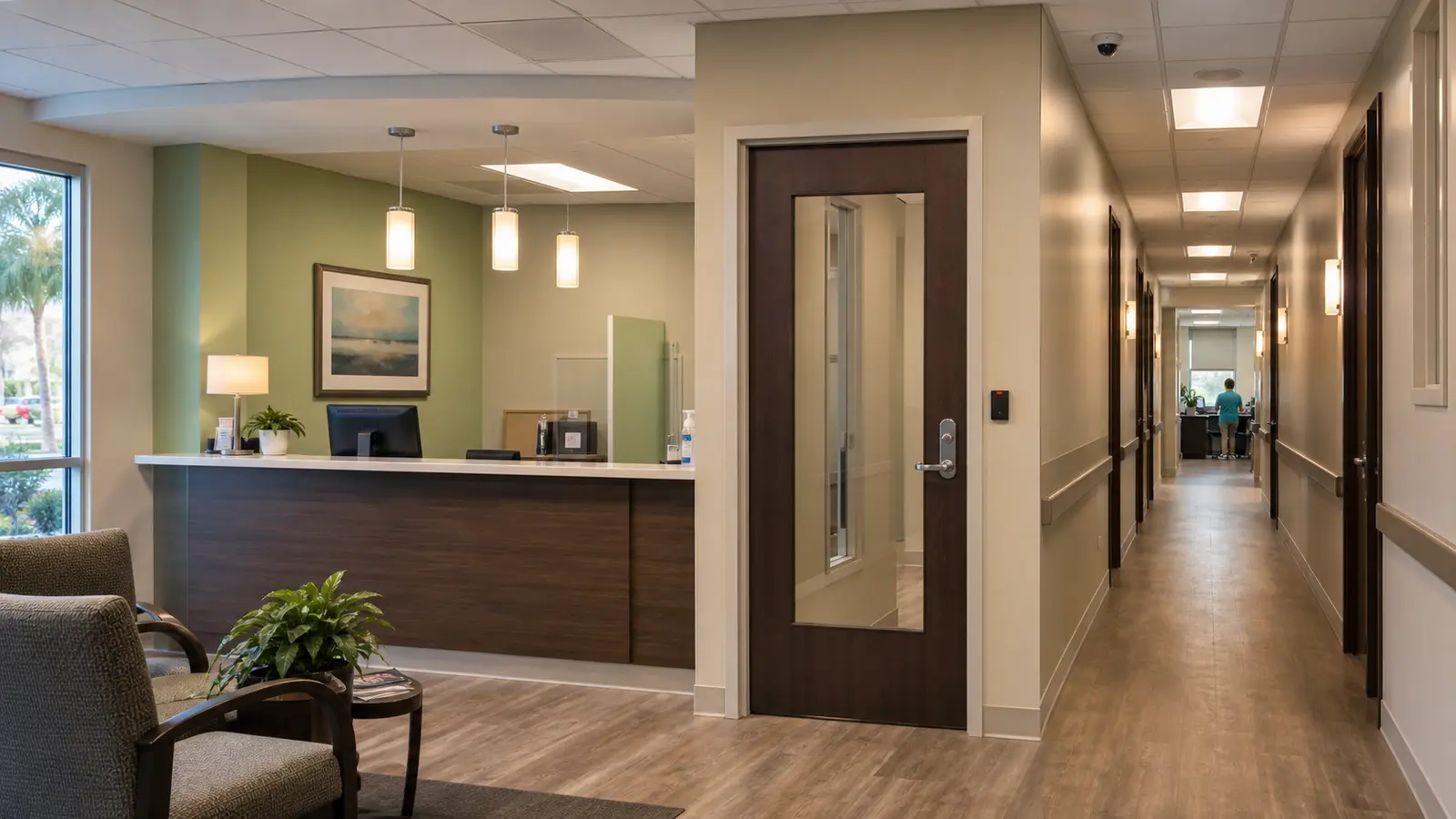
Coordinate discreet camera, entry and infrastructure planning for healthcare and professional offices.
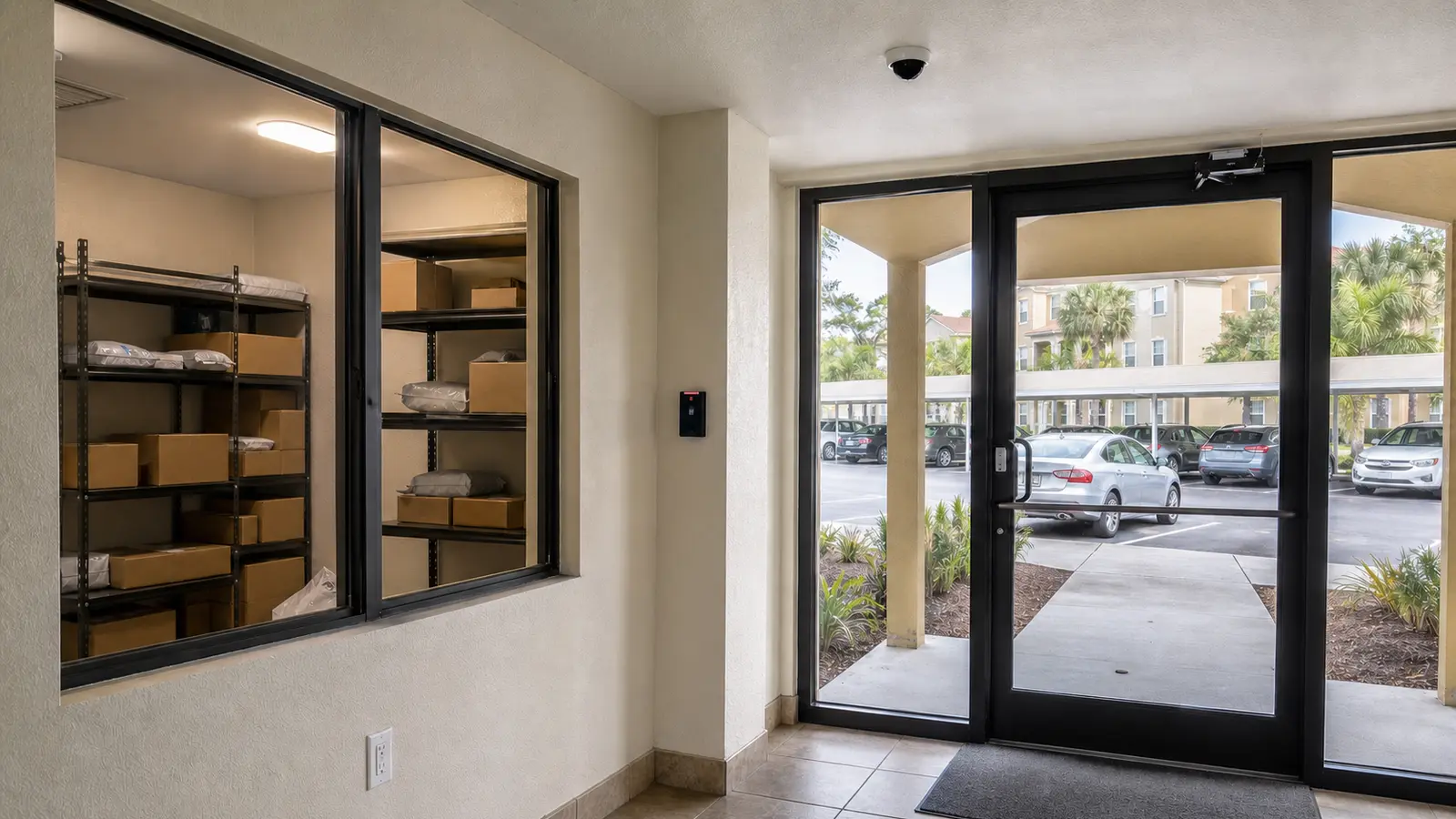
Plan coverage for shared entrances, parking, package rooms, amenities and management workflows.

No. Door access control manages authorized entry. Intercom Systems owns visitor communication, door stations, tenant entry, gate calls, and receptionist workflows.
Access events can be coordinated with video review when the camera system and software support the workflow, but camera design and troubleshooting remain separate service scopes.
Yes. Existing readers, locks, panels, cabling, software, power, and door conditions can be reviewed before repair, replacement, or expansion recommendations are made.
Common candidates include staff entries, tenant doors, exterior doors, server or IT rooms, inventory areas, amenity spaces, management offices, and restricted back-of-house doors.
No. Compatibility depends on the existing hardware, software, credentials, cabling, licensing, and system condition. Recommendations are based on verified findings.
Yes. Many systems support user groups, schedules, and permission levels so employees, tenants, vendors, managers, or maintenance teams can receive appropriate access.
Helpful information includes door count, door types, lock hardware, existing cabling, user groups, schedules, credential preferences, and whether video or intercom integration is desired.
Yes. New construction and renovations are good times to coordinate door hardware, power, rough-in pathways, controllers, and network requirements.
Credential-based systems can reduce reliance on physical key distribution and can make user changes easier when staff, tenants, or vendors change.
Door access may coordinate with gate entry, but gate communication, vehicle entry workflows, and gate integration are handled under Gate and Entry Integration or Intercom Systems as appropriate.
Many access platforms can record access events and administrative activity. Available reporting depends on the selected system and configuration.
Yes. Request-to-exit devices are part of door access-control planning and must be coordinated with door hardware, egress requirements, and the selected system design.
Yes. Many projects start with priority entries and later add secondary doors, interior restricted areas, or additional tenant spaces.
Contact Data Pro Communications so the Lakeland team can review door types, access goals, user groups, existing hardware, and integration needs before recommending a scope.
Plan door access control for a Lakeland or Polk County property with Data Pro Communications. Request a site review or call (863) 345-2727 to discuss the property, connected systems, and recommended next step.