Card and Fob Readers
Credentialed commercial entry with reader placement coordinated around the door and user approach.
COMMERCIAL CONTROLLED ENTRY IN LAKELAND
Data Pro Communications plans and installs commercial access control systems for Lakeland businesses, managed properties, facilities and communities that need documented control over doors and authorized users.
The installation scope can coordinate readers, credentials, controllers, locks, request-to-exit devices, door position monitoring, cabling, power and management workflows around verified site conditions.
ACCESS CONTROL SYSTEM INSTALLATION
A useful access control system begins with the operating workflow: which doors are controlled, who receives credentials, when access is permitted, who administers users and how exceptions are reviewed. Door condition and hardware compatibility are verified before the low-voltage scope is finalized.
Data Pro Communications keeps credential management, controller location, cabling, power, network dependencies, event records and handoff documentation within one coordinated installation plan.
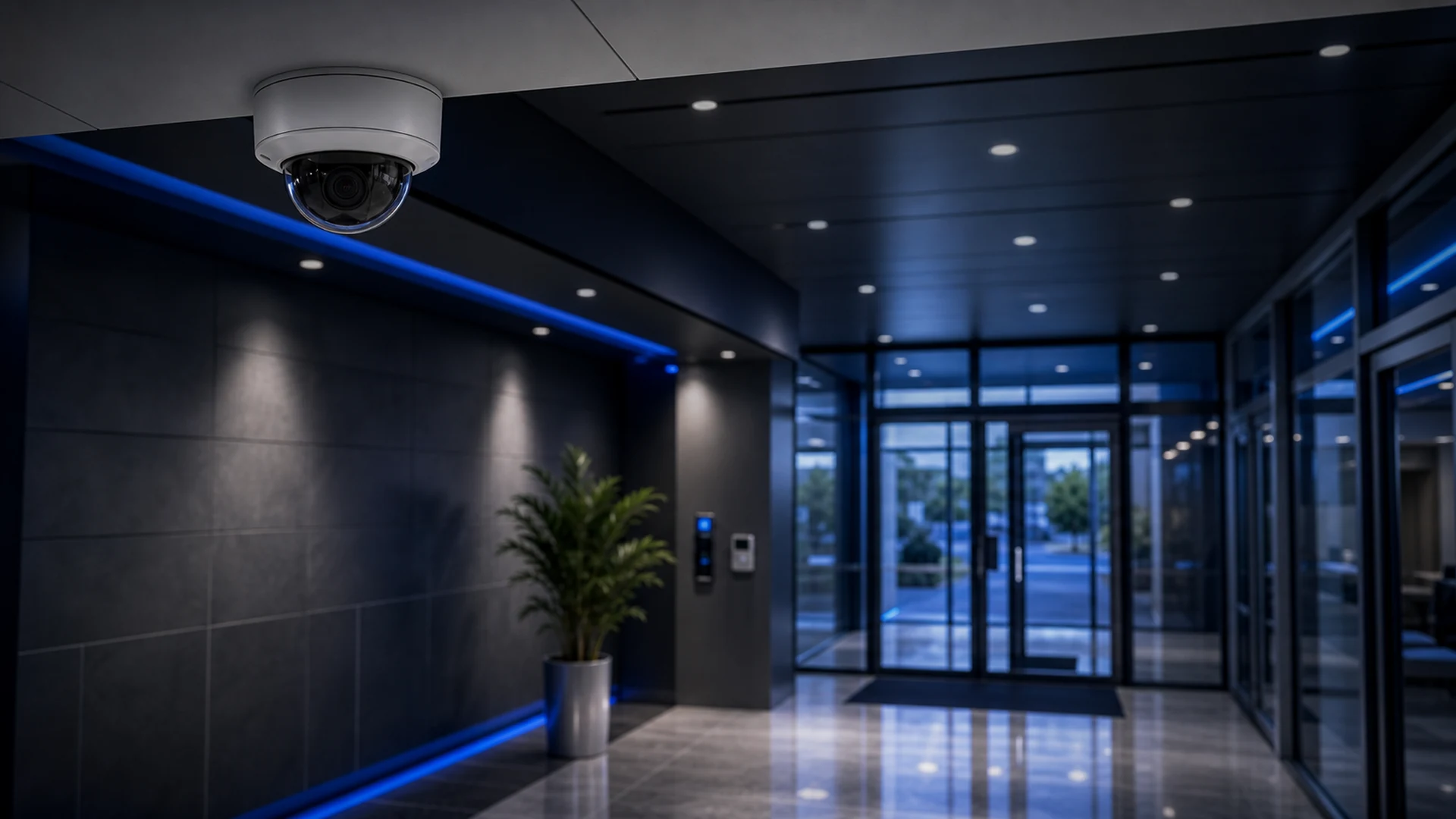
Credentialed commercial entry with reader placement coordinated around the door and user approach.
Approved credential options selected around user groups, management needs and the chosen platform.
Controller, enclosure and power locations organized for service access and the approved door count.
Low-voltage devices coordinated with compatible locks, strikes, door contacts and request-to-exit functions.
User roles, schedules and event-review expectations documented for authorized administrators.
Door operation, credential workflows, labeling and owner responsibilities reviewed before completion.
LAKELAND COMMERCIAL ENTRY
Lakeland offices, warehouses, healthcare suites, hospitality sites, retail properties, industrial facilities and managed communities have different entry roles and occupied-work constraints. A site review identifies those differences before equipment and pathways are selected.
Where cameras, intercoms or gate systems are in scope, their events and physical locations can be coordinated without treating every property as the same access-control package.
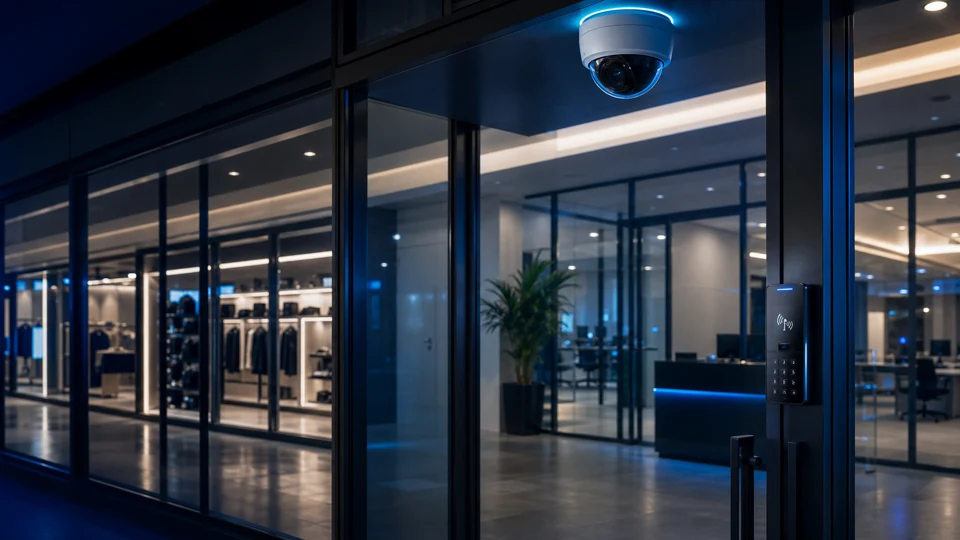
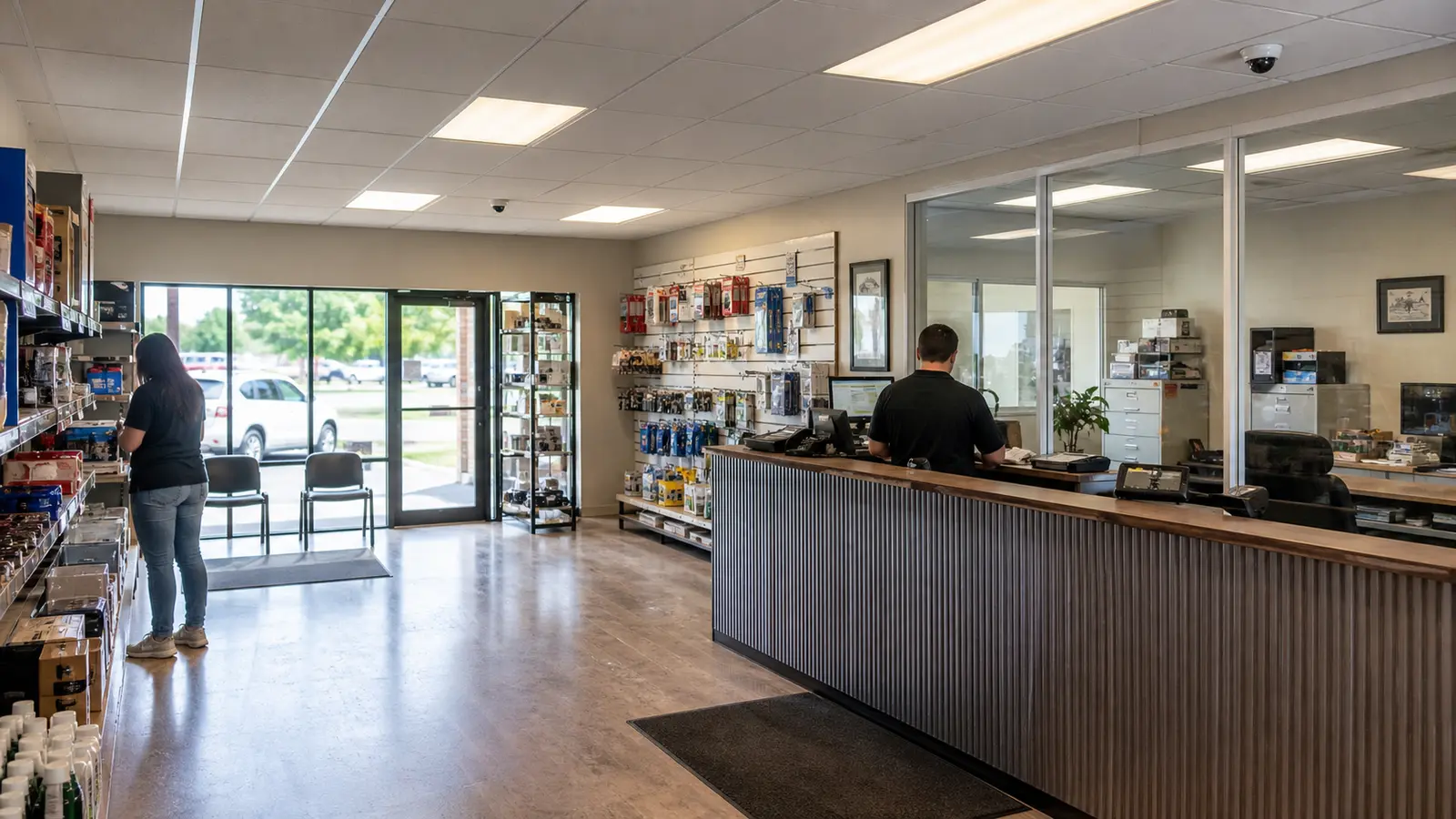
Employee, visitor, suite and after-hours entry managed around approved user roles.

Staff, driver, office, equipment-room and restricted-area doors coordinated with operating zones.
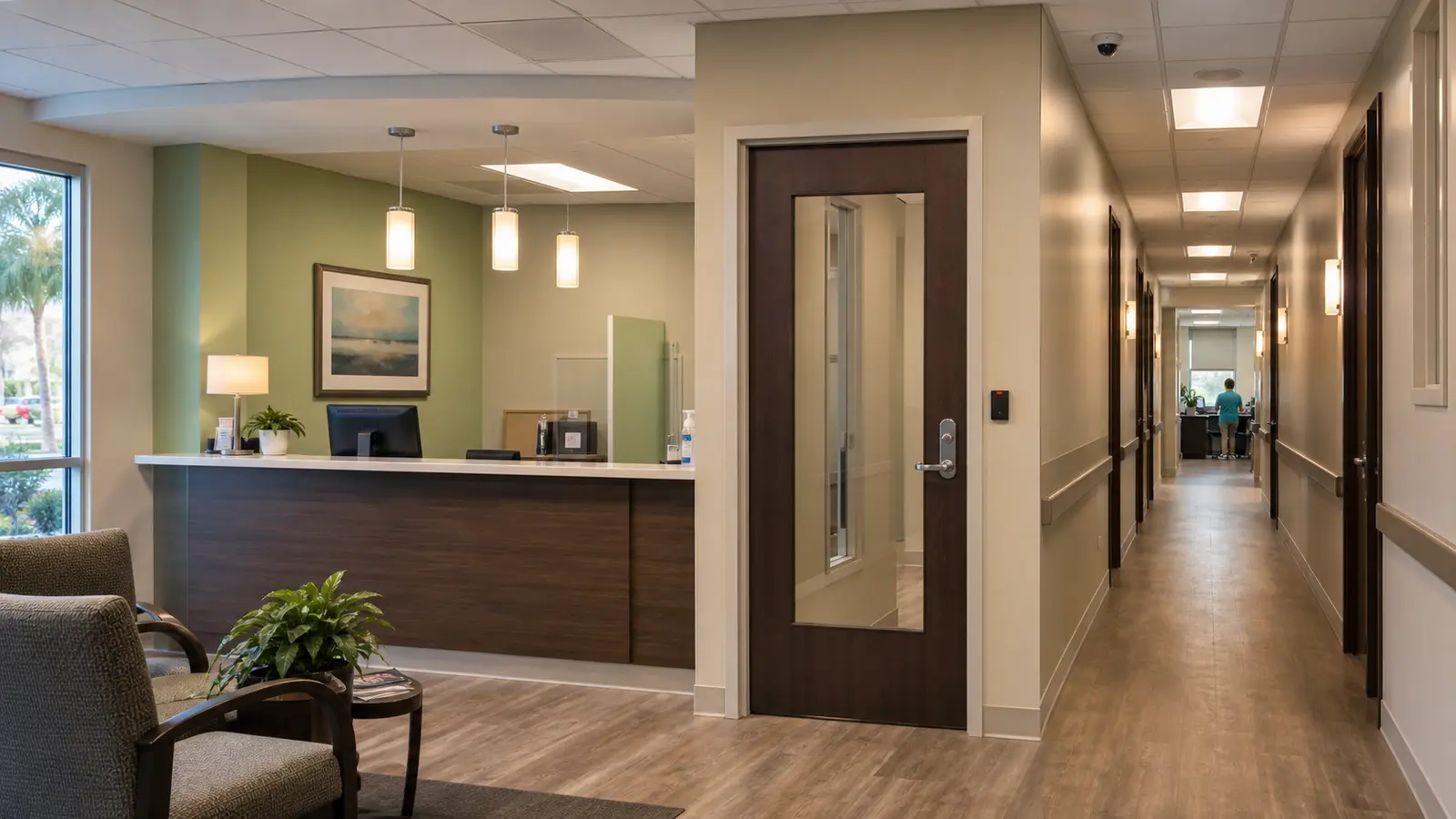
Public, staff-only and records-adjacent transitions planned without making compliance guarantees.
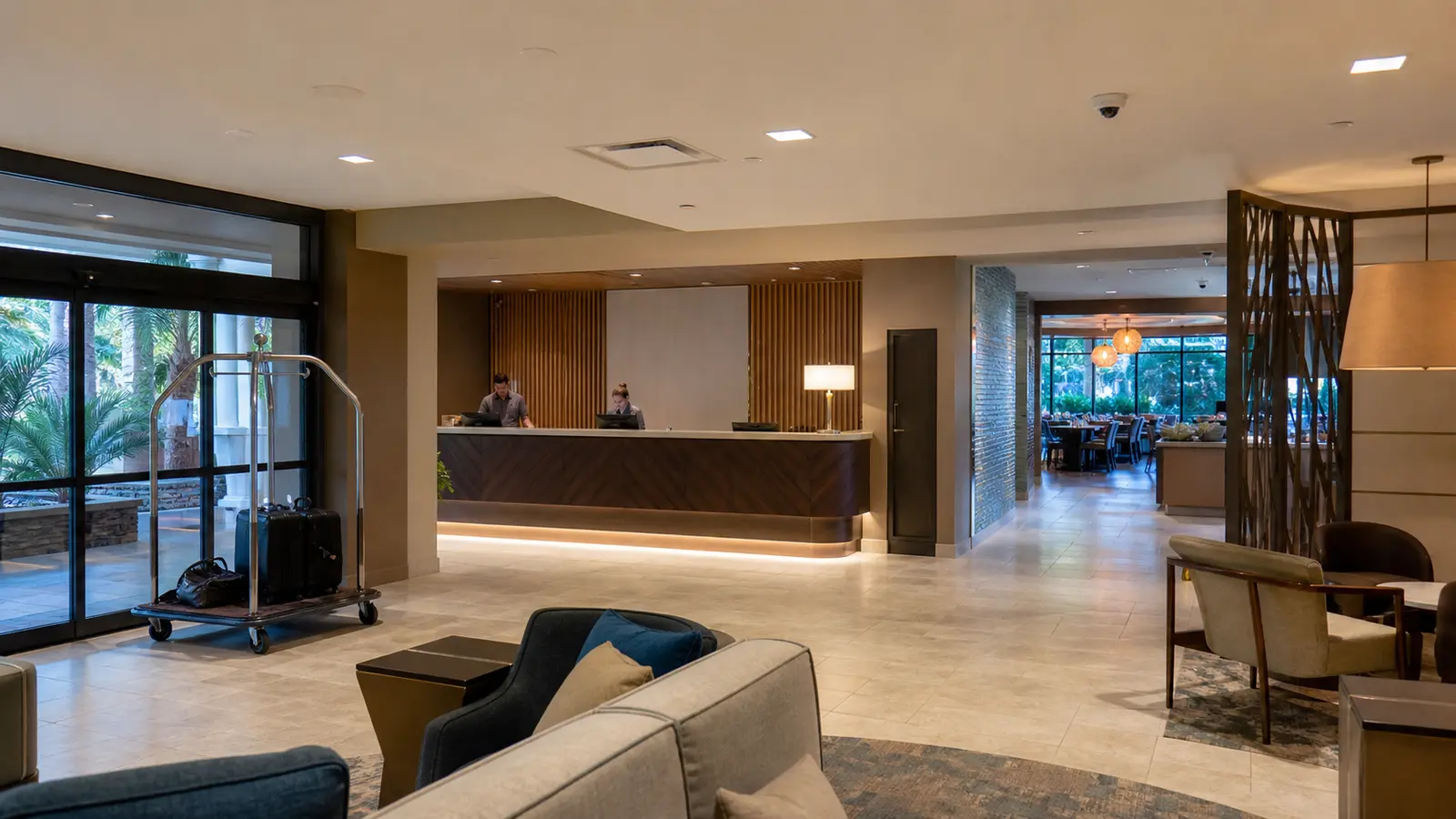
Guest-facing, staff and back-of-house doors organized around property operations.
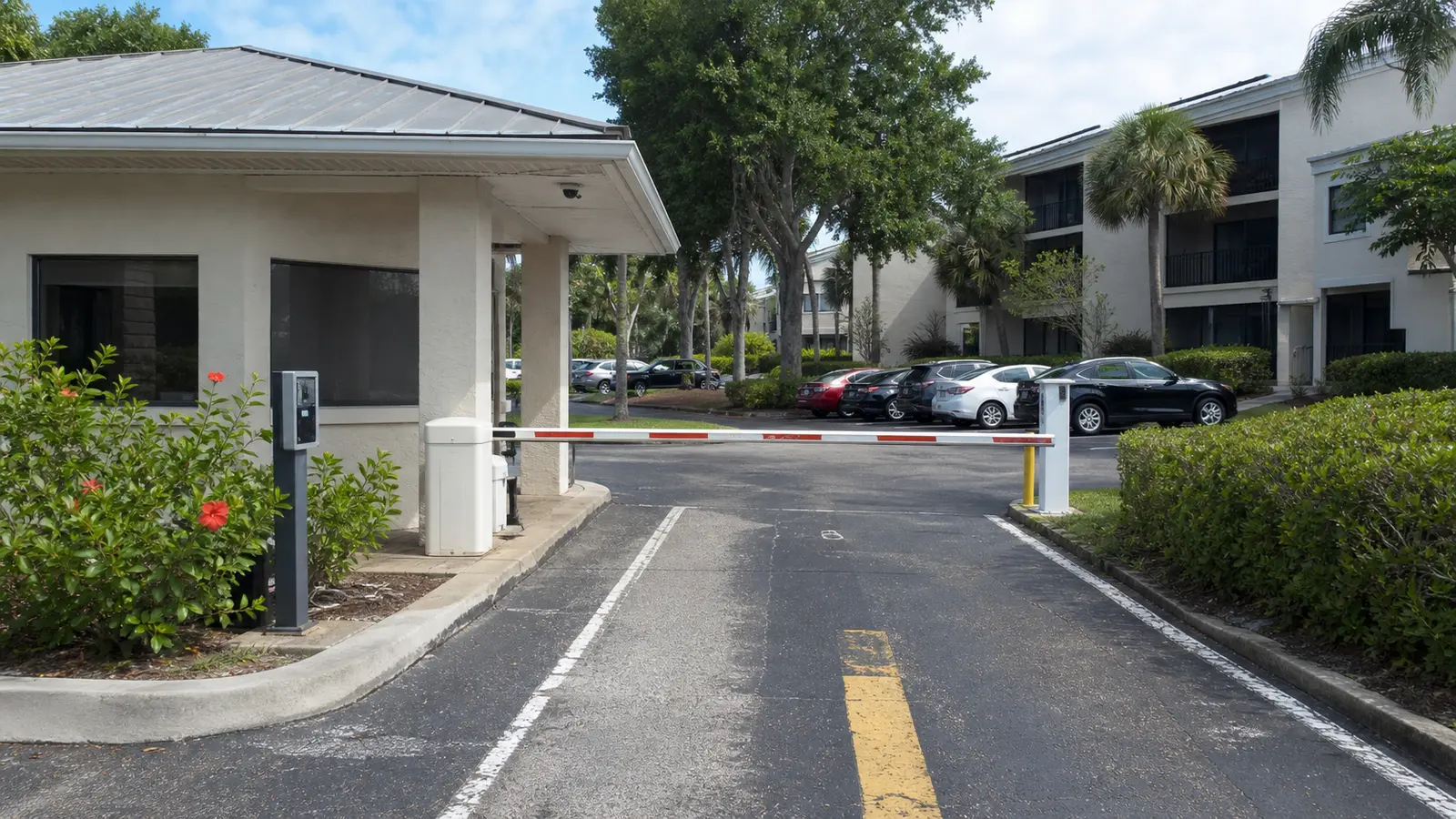
Clubhouses, amenities, management spaces, package areas and shared entries managed by approved roles.

Employee, contractor, maintenance and controlled operational areas planned around verified conditions.
Verify door condition, hardware, life-safety responsibilities, power and pathways before finalizing the low-voltage scope.
Define administrators, user groups, schedules and credential-revocation responsibilities before handoff.
Coordinate cameras, intercoms, gates and network dependencies only where they belong in the approved project.
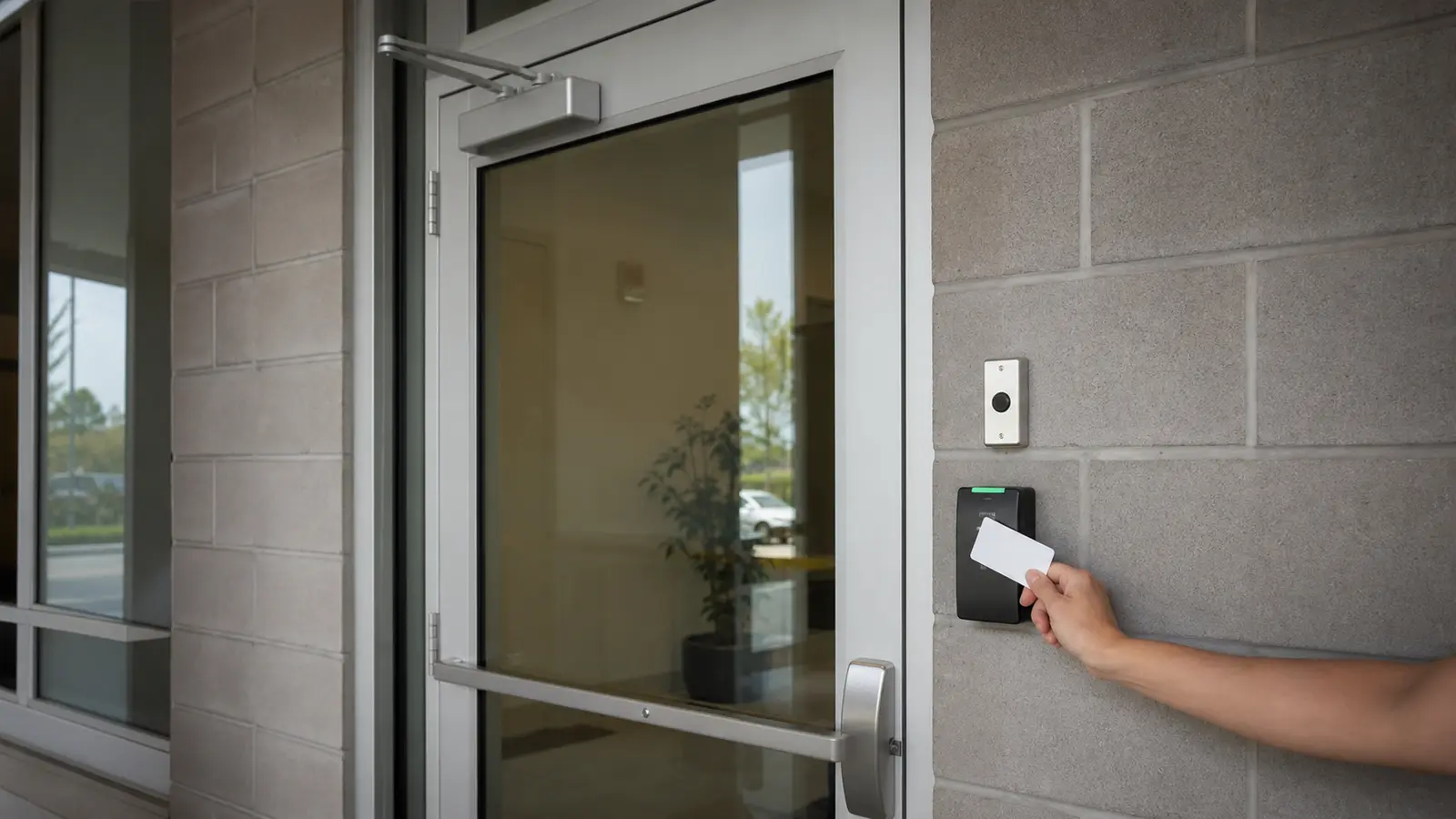
Detailed planning for readers, credentials, locks, controllers and managed doors.
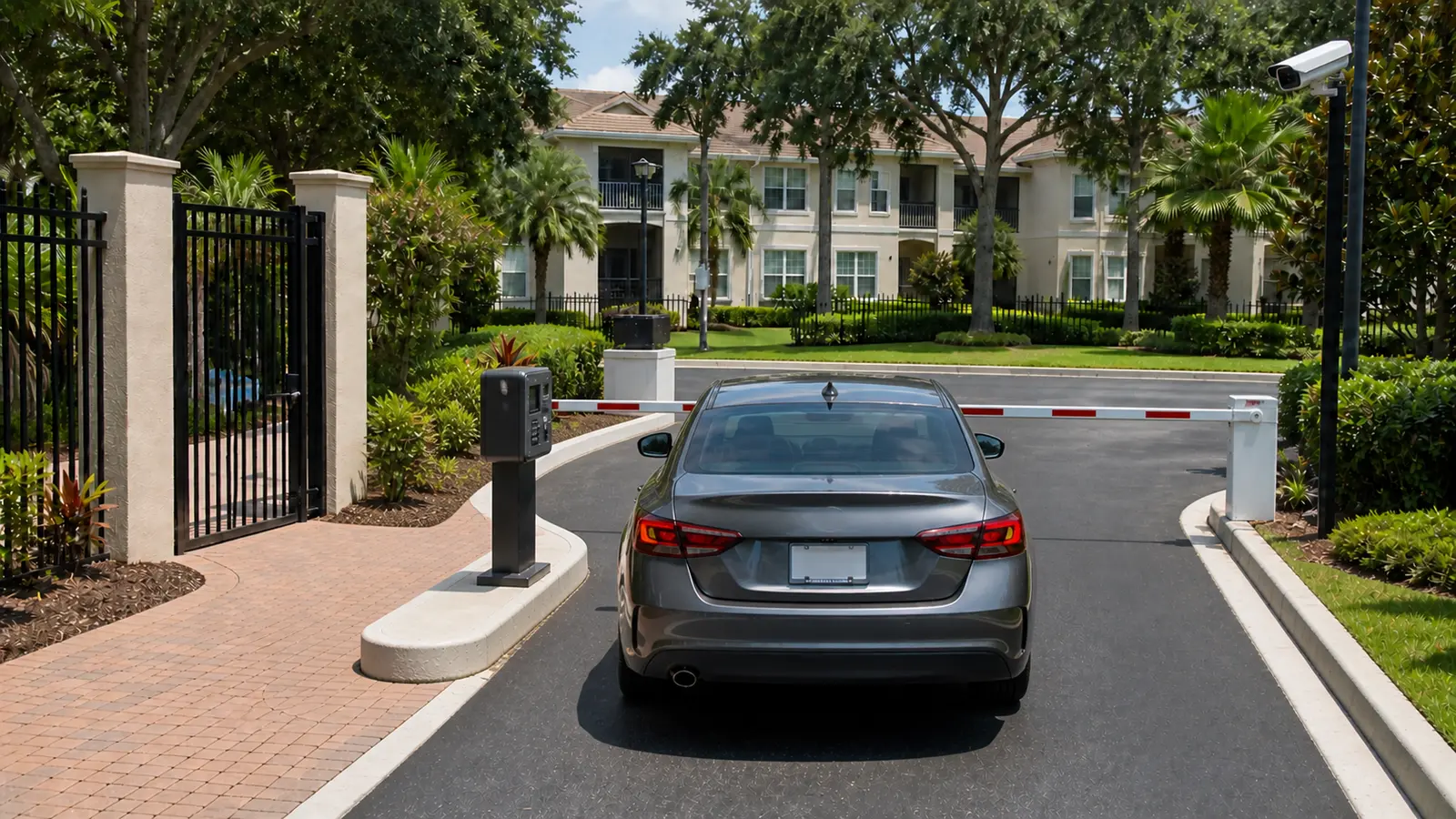
Vehicle and pedestrian gate-entry workflows with callbox and access integration.
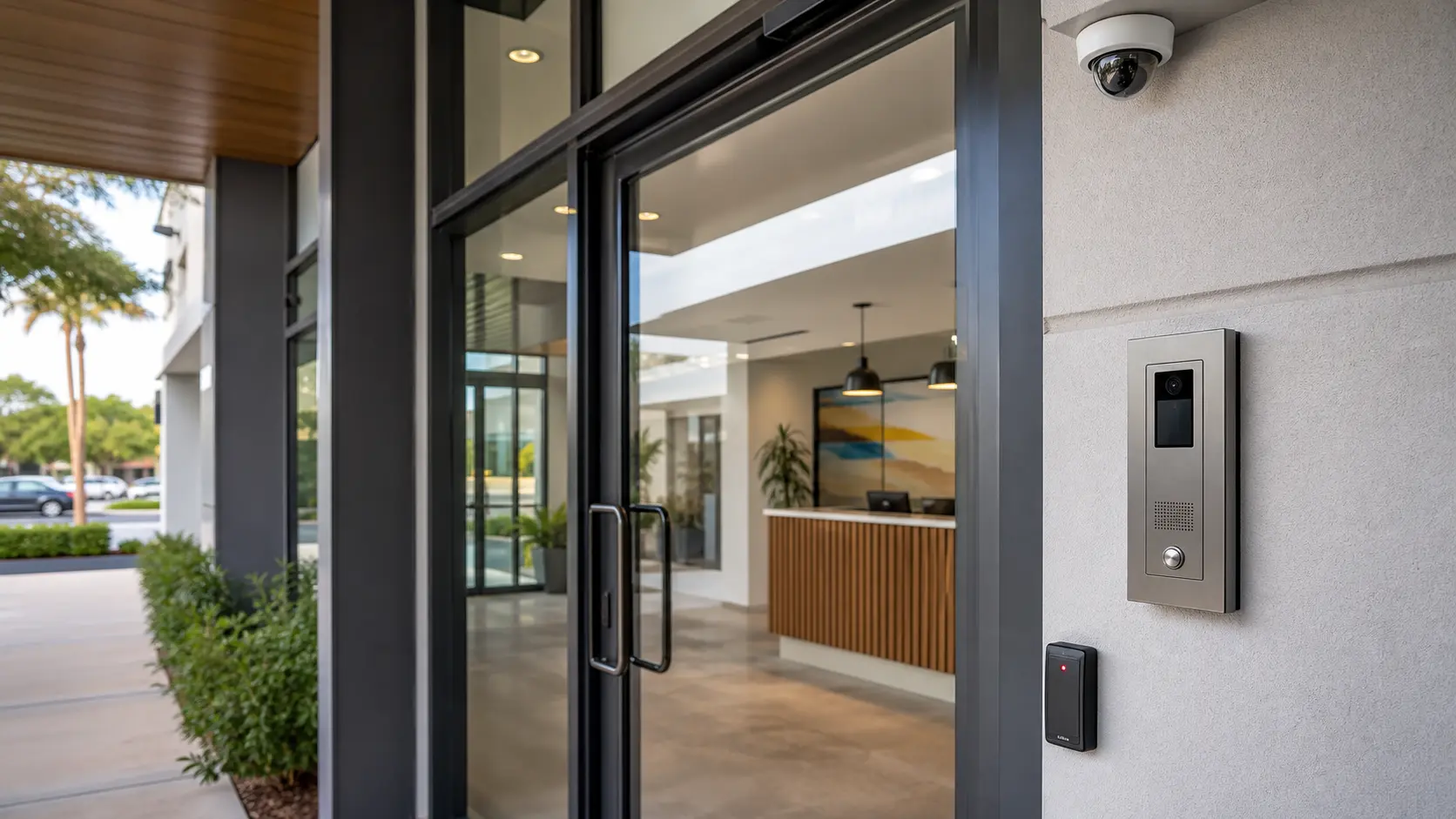
Visitor communication at doors, gates and shared entrances.
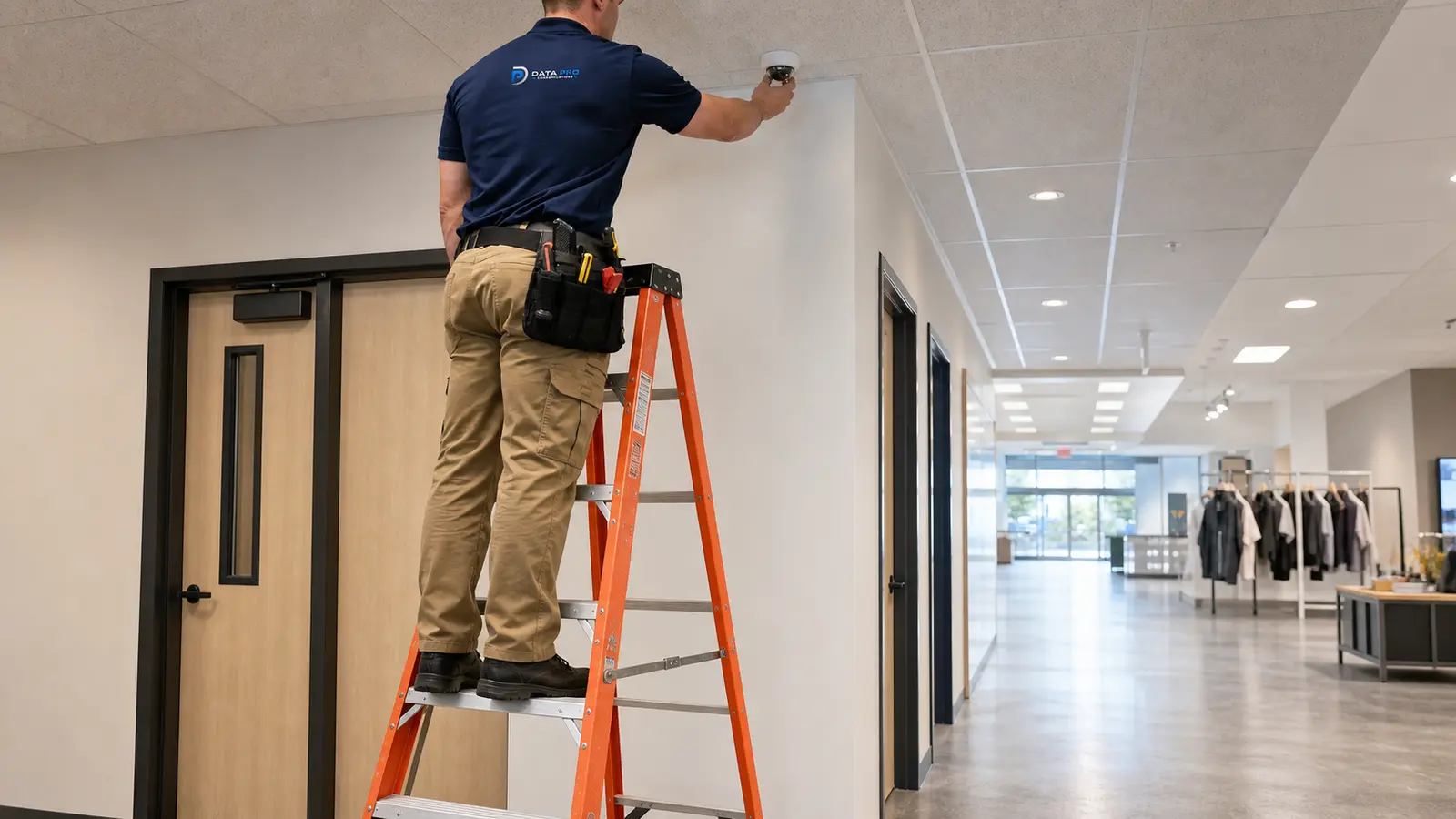
Video coverage coordinated around entrances and controlled areas.
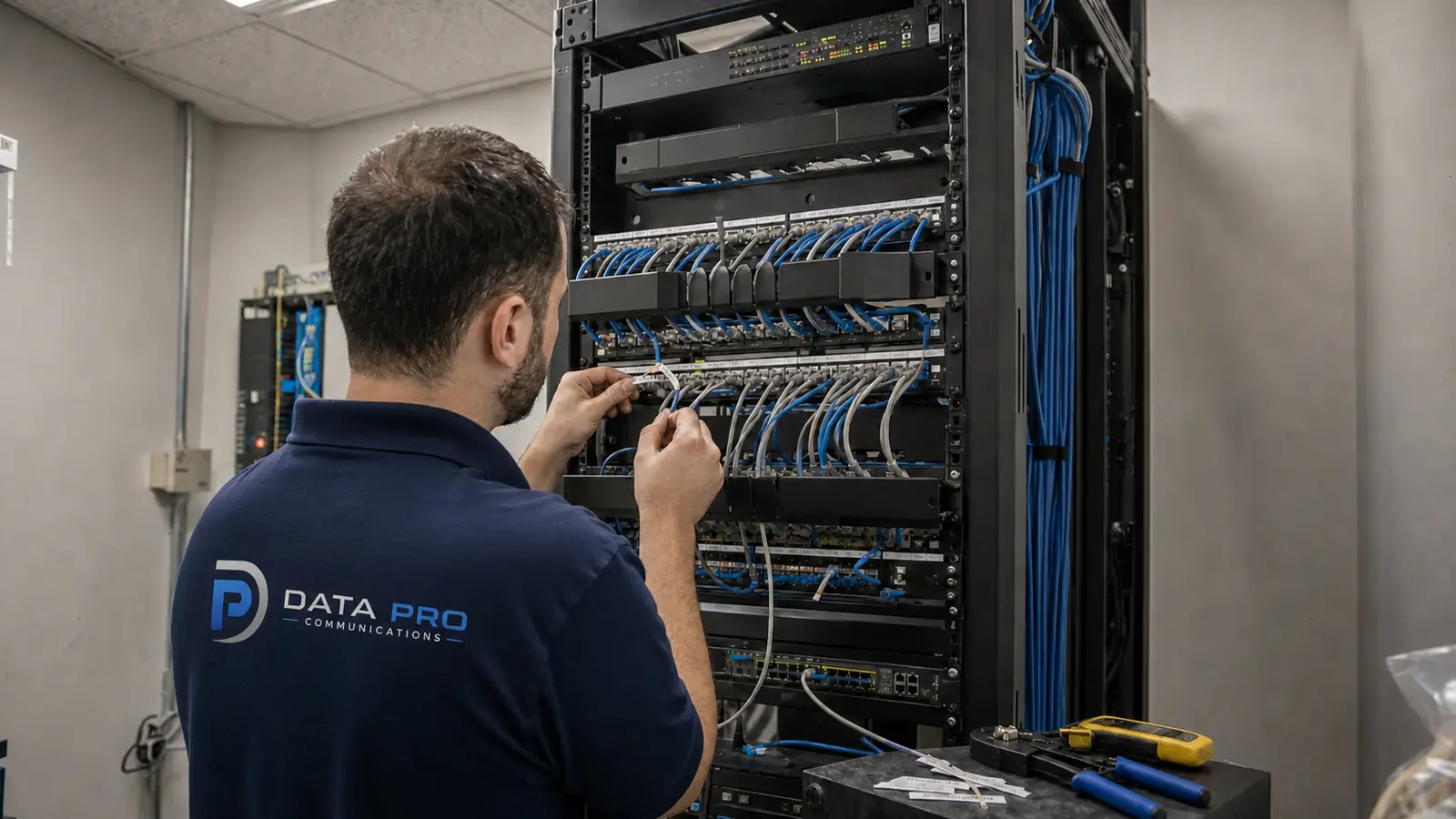
Organized pathways and terminations supporting access-control devices.
Identify controlled openings, user groups, schedules, visitor workflows and administration responsibilities.
Review doors, frames, locks, pathways, power, controller locations and network conditions.
Complete the approved readers, controllers, cabling, credentials and system configuration.
Verify door workflows, labels, permissions, event review and administrator responsibilities.

The approved scope may include readers, credentials, controllers, locks or strikes, door contacts, request-to-exit devices, cabling, power, configuration, testing, labeling and administrator handoff.
Yes. Cameras can be coordinated around controlled entrances when visual review is part of the approved system design.
It can when the selected platform, controller capacity, network design, pathways and management workflow support the verified property conditions.
Available options may include cards, fobs, PINs or supported mobile credentials. The right option depends on the platform, users and operating requirements.
Existing hardware can be reviewed for condition and compatibility. Reuse depends on the approved system, door operation and the responsibilities of the applicable trades.
The property should designate authorized administrators. Their roles, credential workflow and support boundaries are reviewed during handoff.
Yes. A project can prioritize selected doors while preserving controller, pathway and naming plans for later phases when supported by the selected platform.
Use the project form or call (863) 345-2727 with the property type, approximate door count, existing equipment and desired timing.
PLAN THE ENTRY WORKFLOW
Share the property type, controlled doors, user groups, existing hardware and project timing so Data Pro Communications can review the right next step.