Community Entrance Cameras
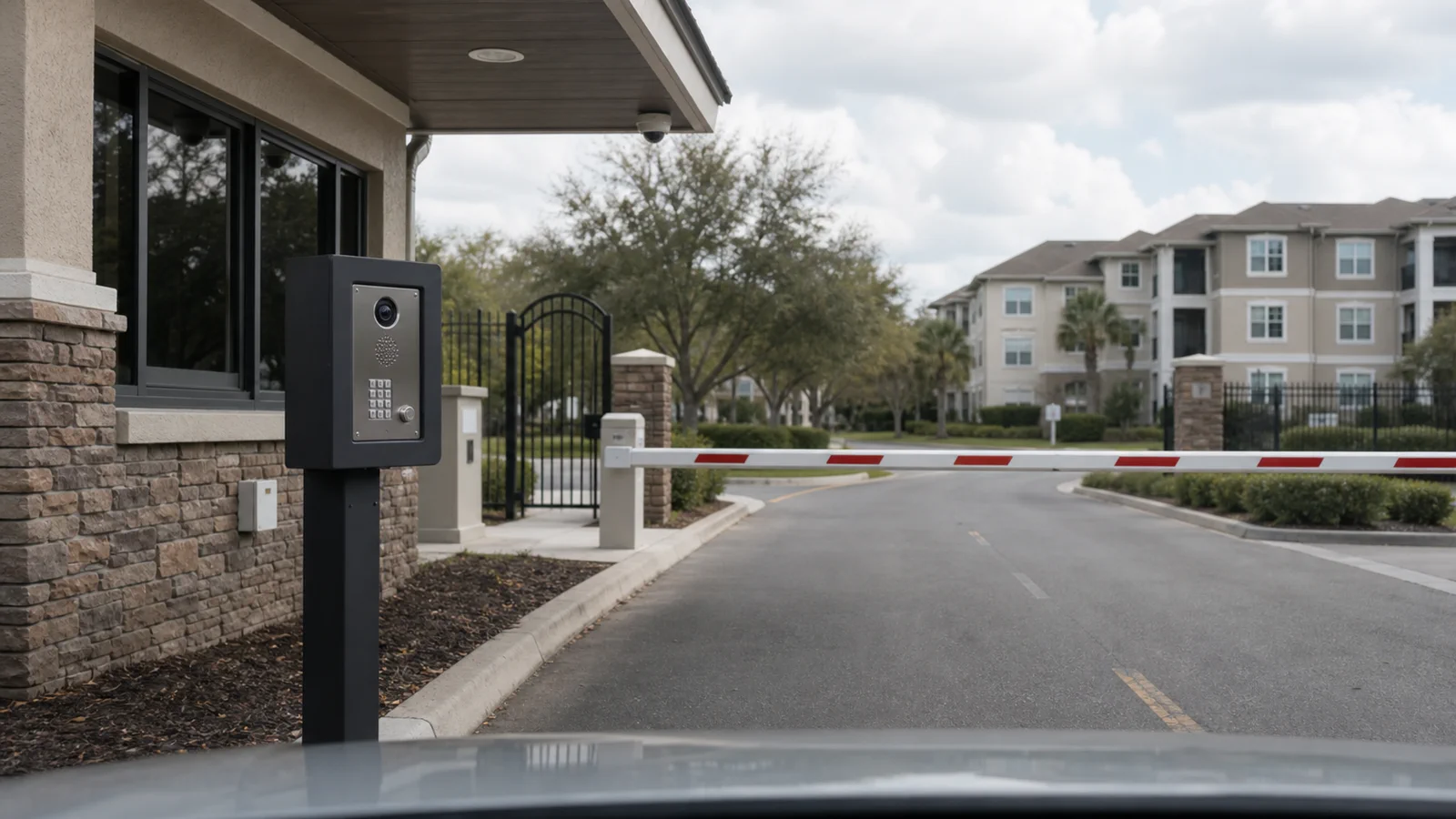
Camera positions for vehicle approaches, visitor lanes, pedestrian gates, license-plate context where appropriate, and entry/exit review without overclaiming enforcement results.
HOA & CONDOMINIUM COMMUNITIES
Lakeland HOA and condominium communities need security systems planned around shared responsibility, common-area visibility, controlled entry, amenity access, vendor access, resident convenience, and board-review workflows.
Data Pro Communications designs and installs camera, access control, intercom, gate, network, and low-voltage infrastructure for community entrances, clubhouses, pools, package areas, parking, maintenance rooms, and other association-controlled spaces.
A community security project must balance access, visibility, privacy expectations, management workflows, and the physical layout of shared facilities. A gated entrance has different infrastructure needs than a clubhouse, a pool enclosure, a package room, or a parking area.
The goal is not to promise that incidents cannot occur. The goal is to help authorized stakeholders monitor shared areas, review recorded activity, coordinate gate or door access, and maintain reliable low-voltage infrastructure that supports long-term operations.
Lakeland includes master-planned communities, condominium properties, townhome associations, lake-area residences, and managed neighborhoods near commercial corridors, schools, parks, healthcare offices, and redevelopment districts.
HOA and condominium work often involves board approval, vendor coordination, conduit and pathway review, resident communication, and practical decisions about who may view live or recorded video.
Camera positions for vehicle approaches, visitor lanes, pedestrian gates, license-plate context where appropriate, and entry/exit review without overclaiming enforcement results.
Credential, keypad, callbox, intercom, and gate-controller coordination for communities that need controlled entrance workflows.
Cameras and access controls for clubhouses, fitness rooms, pools, cabanas, courts, community rooms, and reservation-based amenities.
Coverage planning for mailbox kiosks, parcel rooms, package shelves, delivery paths, and authorized access points.
Camera placement for lots, garages, walkways, trash enclosures, maintenance areas, and common paths where association visibility matters.
PoE switches, cabling, recording equipment, user permissions, remote viewing, and documented handoff for board or management review.
Lakeland community properties may sit near lakefront roads, redevelopment districts, South Lakeland retail corridors, older condominium buildings, gated neighborhoods, or mixed-use areas with shared parking and pedestrian activity.
Association projects should account for Florida weather exposure, lightning/surge planning, pool-equipment environments, gate equipment rooms, tree cover, evening lighting, and resident-facing aesthetics around entries and amenities.
Useful local scenarios include entrance camera upgrades for gated associations, access review for clubhouse and pool areas, and package-area coverage for communities receiving frequent deliveries.
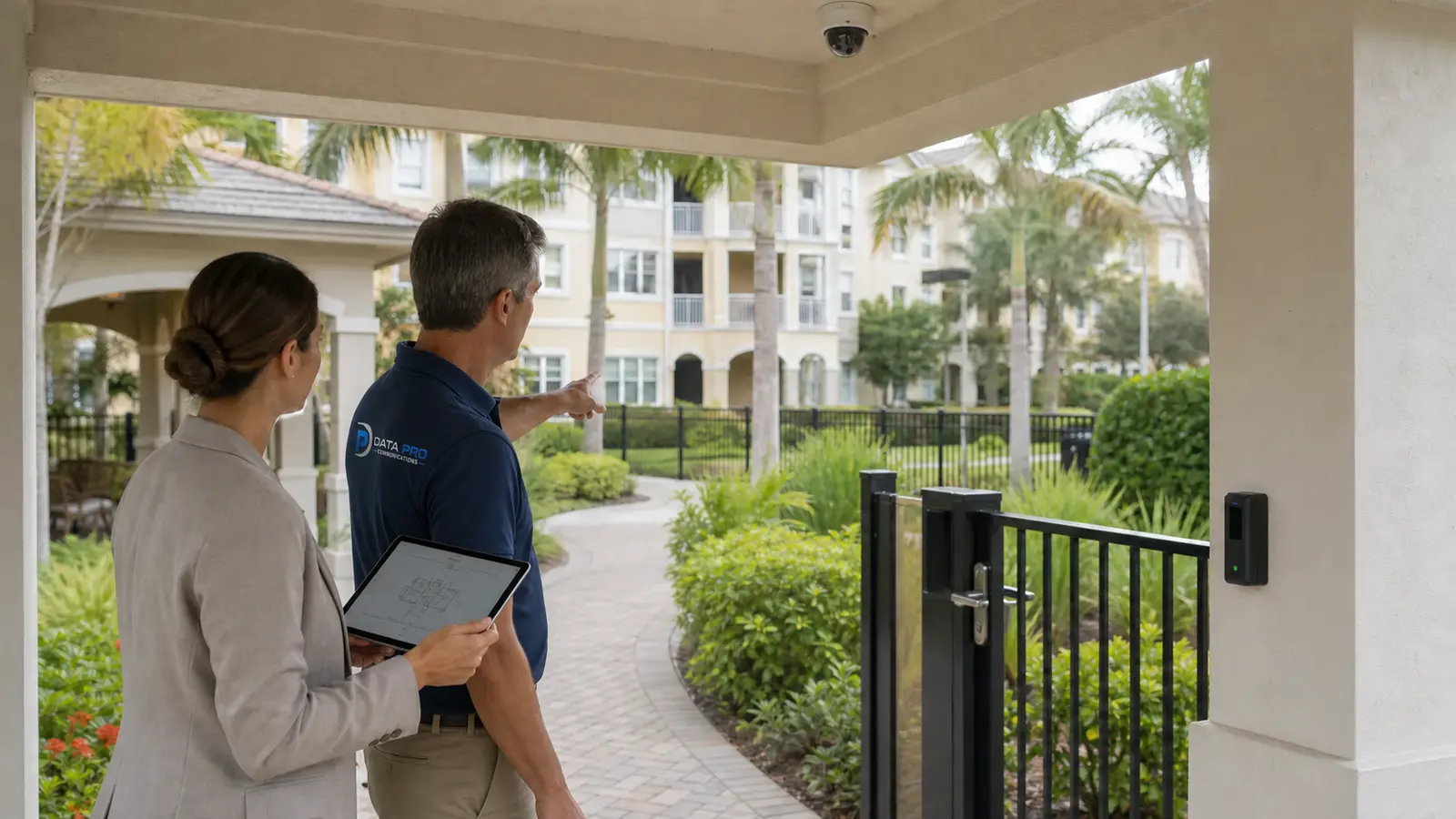
Coordinate gate access, entry cameras, callbox visibility, cabling, and recording for resident and visitor lanes.
Plan cameras and access points for lobby doors, elevators, mail areas, and manager-controlled common spaces.
Support controlled access and recorded visibility for clubhouses, fitness rooms, and community rooms.
Cover approach paths, gate points, and shared amenity entries without claiming code compliance or guaranteed outcomes.
Place cameras around parcel shelves, mailbox areas, and delivery paths for clearer review of activity.
Define user permissions, retention expectations, remote-viewing roles, and incident-review processes for authorized stakeholders.
Create a written viewing and access-permission plan before launch so board members, management teams, and vendors understand who can use the system and for what purpose.
Separate gate, clubhouse, pool, and package-area infrastructure into documented zones so future service work can be handled without disrupting the entire community system.
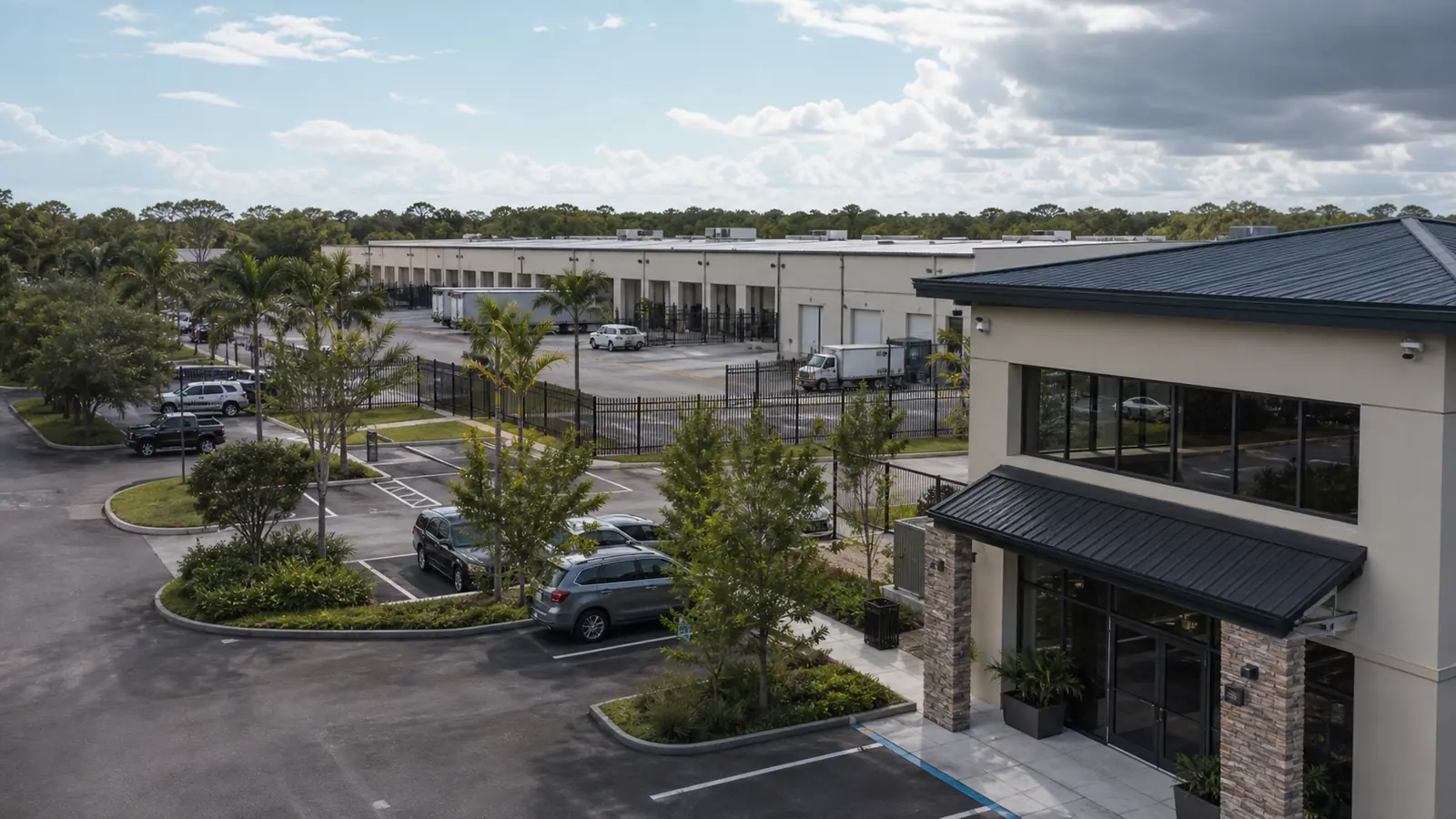
Compare property-specific camera, access, cabling and network planning for Lakeland commercial environments.
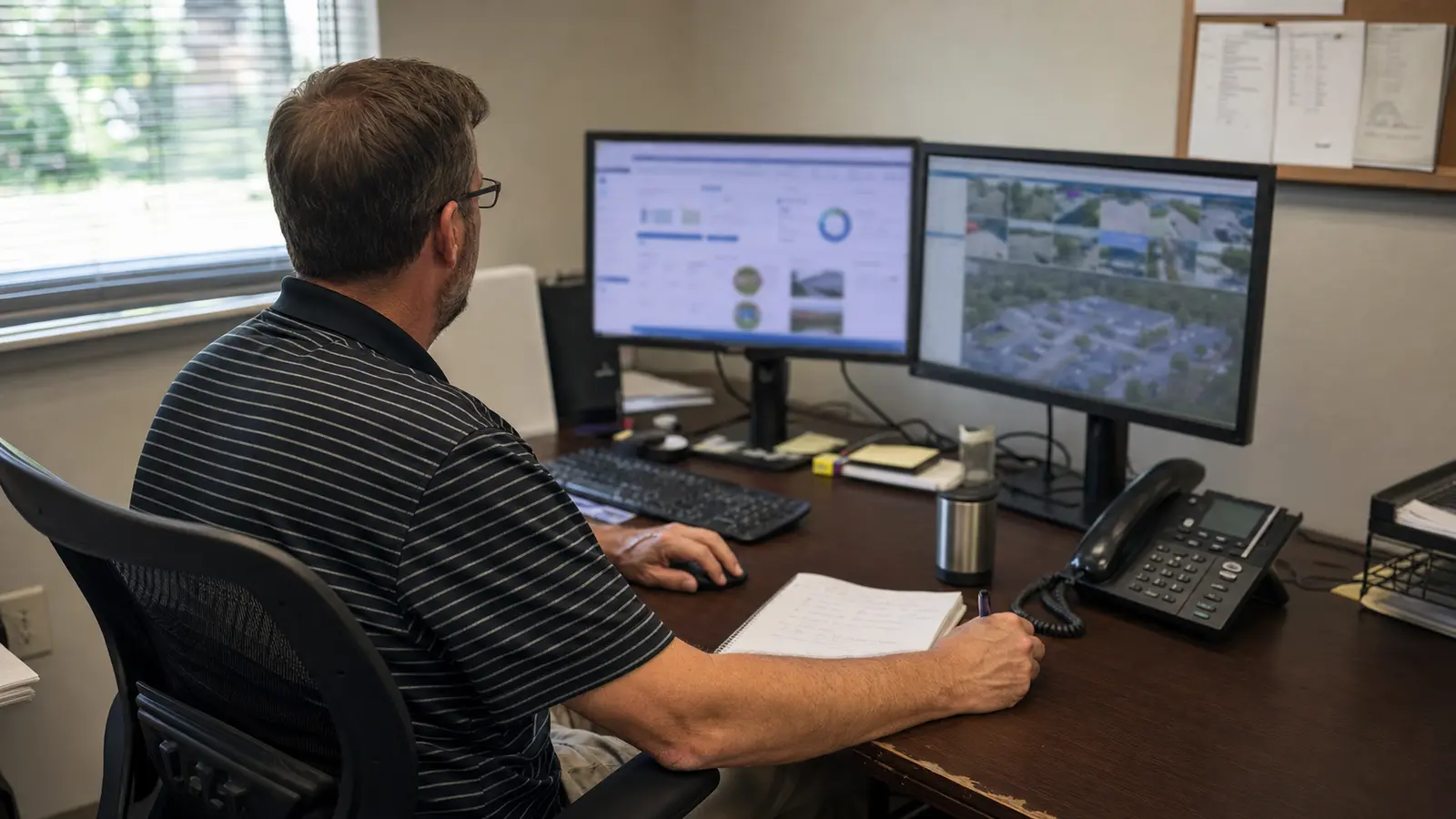
Standardize cameras, access, remote review and documentation across managed properties and portfolios.
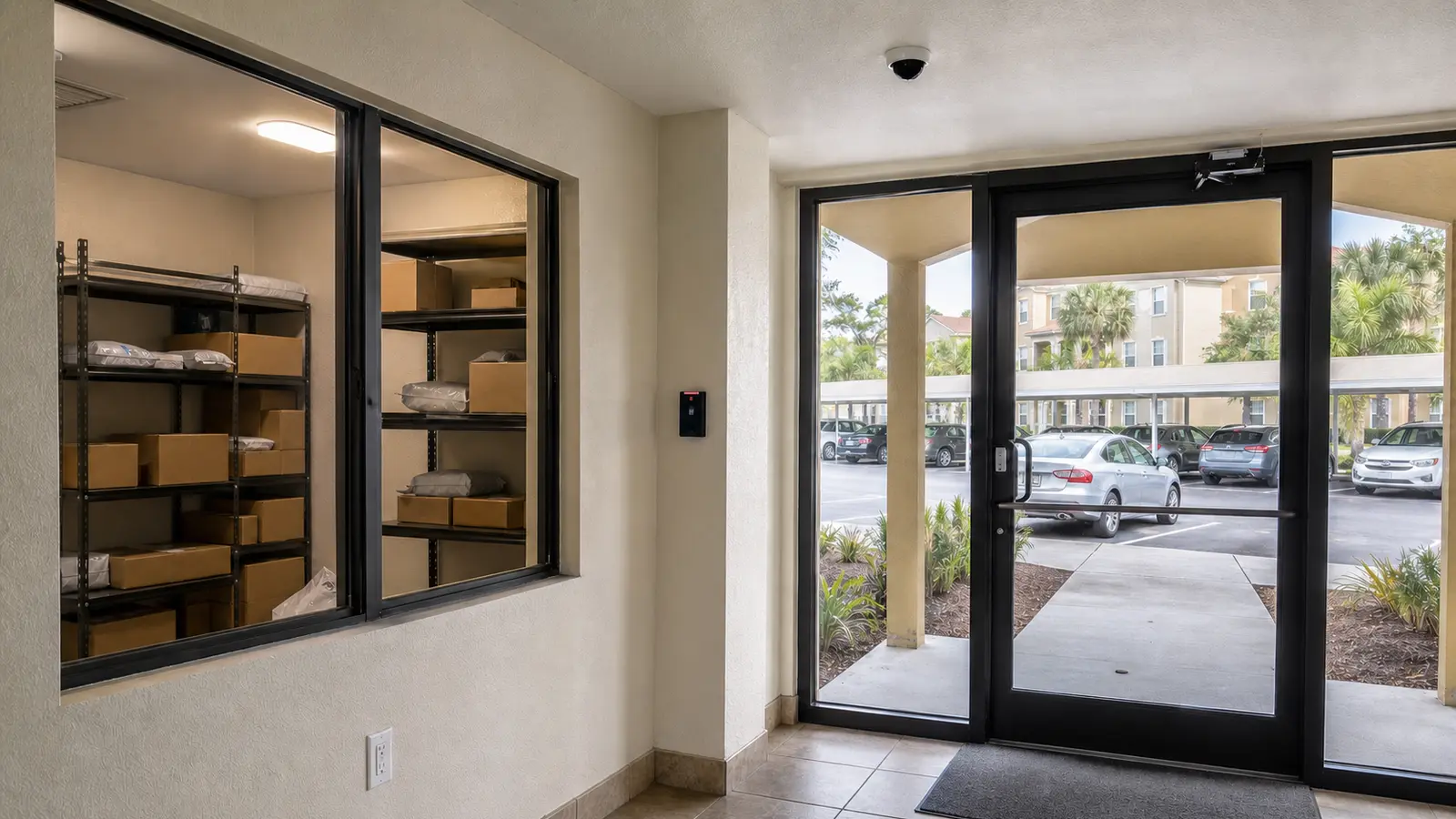
Plan coverage for shared entrances, parking, package rooms, amenities and management workflows.
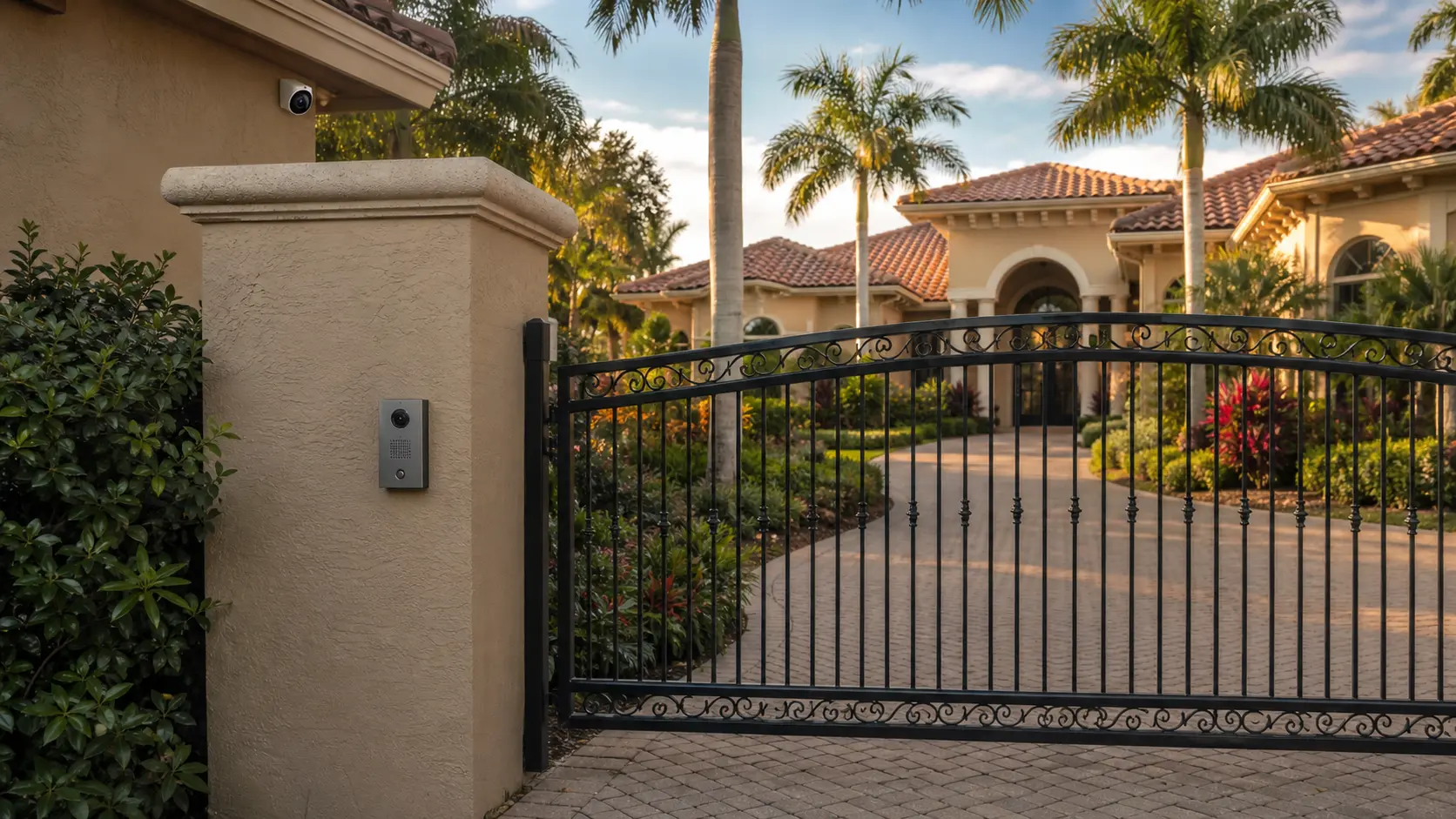
Plan integrated cameras, gates, intercoms, cabling and networks for qualified larger residences.
Review property goals, operating workflows, current infrastructure, access points, viewing needs, and site constraints.
Map camera locations, access points, cabling paths, network requirements, recording storage, user permissions, and installation phases.
Install devices, cabling, equipment, network components, access control, recording systems, and documented settings according to the approved scope.
Review system use, permissions, documentation, maintenance needs, and future expansion considerations with authorized stakeholders.

Common systems include cameras at entrances and shared amenities, access control for clubhouses and pool gates, intercom or callbox integration, package-area coverage, parking-area cameras, network equipment, and recording systems with controlled user permissions.
Yes. Data Pro Communications can coordinate scope, site-walk findings, system options, and implementation details with HOA boards, condominium associations, CAMs, property managers, and approved vendors.
No security system can guarantee crime prevention. A professionally planned camera system can improve visibility, documentation, and review workflows for authorized community stakeholders.
Typical locations include entrances, lobbies, elevators, mail and package areas, parking areas, trash enclosures, maintenance access points, clubhouses, pool gates, and other common spaces controlled by the association.
Yes. Access control can be planned for amenity doors and gates when the community needs credentialed entry, audit trails, or more consistent management of resident and vendor access.
They can often be coordinated when cabling, power, network connectivity, controller locations, and equipment compatibility are reviewed during planning.
The system should focus on association-controlled common areas, use clear viewing permissions, avoid unnecessary private-area coverage, and document how authorized users may access recorded video.
Existing equipment may be reused when it is compatible, serviceable, properly located, and capable of meeting the community's current coverage, recording, and network requirements.
HOA and condominium systems usually involve board governance, common-area responsibility, association budgets, resident communication, and shared amenity access rather than leasing-office operations or apartment-turn workflows.
Package-area cameras can provide recorded visibility around delivery paths and parcel areas, but they should be planned with realistic image-detail expectations and proper retention settings.
Planning may include PoE switching, fiber or copper pathways, surge protection, equipment-room organization, VLAN coordination, internet access, remote-viewing permissions, and recorder capacity.
Pool-area camera placement should be planned carefully around common-area visibility, resident expectations, privacy, and applicable site rules. Data Pro Communications does not provide legal compliance guarantees.
Retention depends on camera count, image quality, frame rate, recording schedule, storage capacity, and community policy. Data Pro Communications can help design storage around the requested retention target.
Yes. User permissions can be designed so authorized board members, managers, or vendors have appropriate access levels for live viewing, playback, exports, or administration.
The community can request a site survey or call (863) 345-2727 to review locations, priorities, infrastructure, and next steps.
REQUEST A LAKELAND SITE SURVEY
Data Pro Communications can review the property layout, operating needs, infrastructure, and priorities for hoa and condominium communities in Lakeland.