Cat6 and Cat6A Data Cabling
New horizontal cabling, workstation drops, device locations, wireless access point runs, and camera or access-control data pathways planned for commercial use.
Lakeland and Polk County Commercial Low-Voltage Solutions
Commercial structured cabling for organized, testable network, camera, access control, intercom, AV, and connected-building infrastructure. Data Pro Communications helps commercial teams plan clean, documented infrastructure that supports daily operations and future serviceability.
Structured Cabling helps Lakeland commercial properties create a cleaner, easier-to-support foundation for connected operations. The service focuses on structured cabling, Cat6 and Cat6A pathways, data drops, patch panels, racks, labeling, cable testing, moves/adds/changes, and low-voltage cabling infrastructure. It is appropriate for owners and managers who need practical planning, implementation coordination, documentation, and repair recommendations based on verified conditions.
This page is intentionally differentiated from sibling pages. Network switching design, router configuration, wi-fi tuning, fiber backbone splicing, door-access programming, and camera troubleshooting remain separate service intents unless they are supporting coordination items. The public copy should keep structured cabling as the dominant intent and reference sibling services only as supporting coordination points.
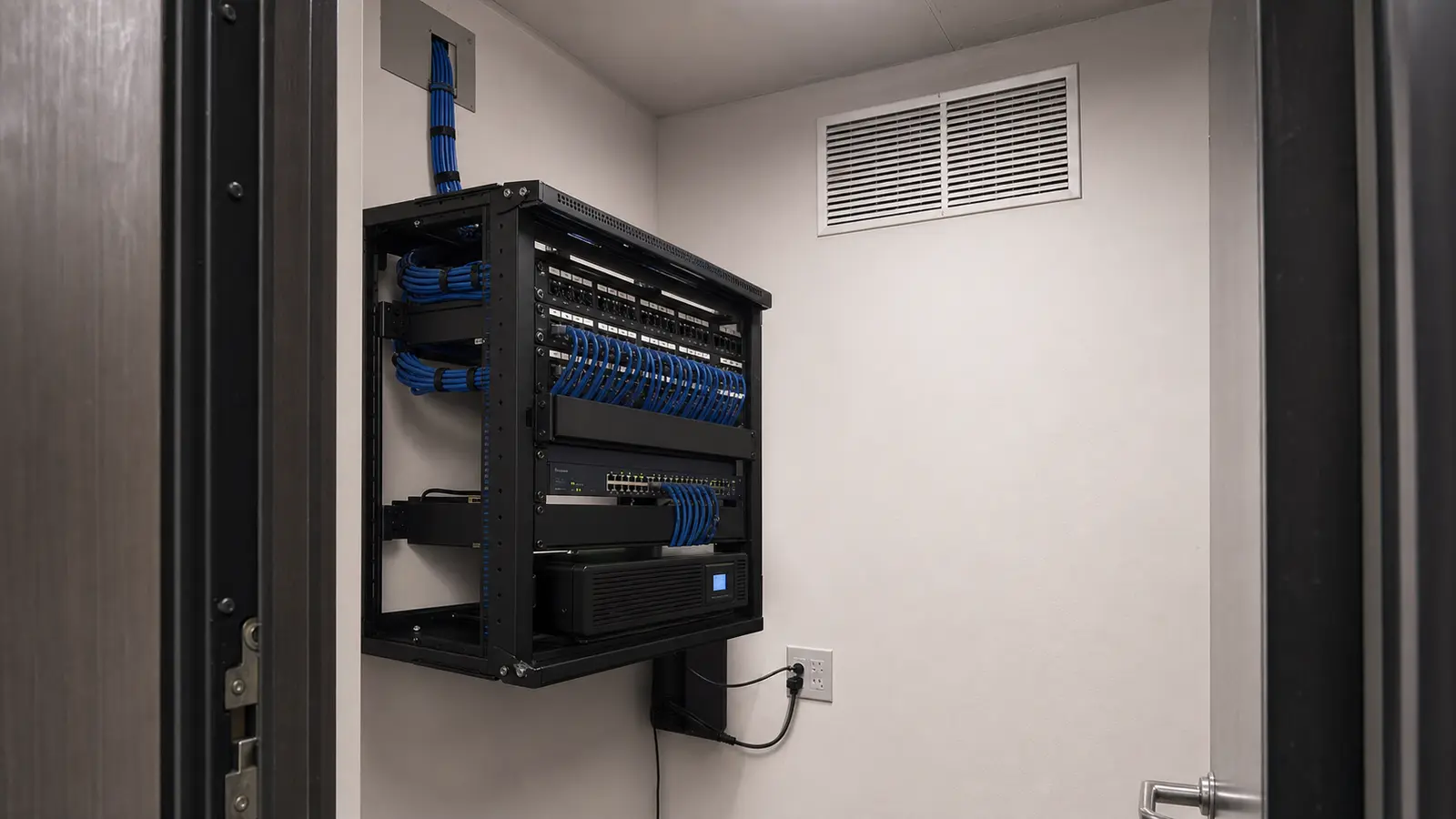
New horizontal cabling, workstation drops, device locations, wireless access point runs, and camera or access-control data pathways planned for commercial use.
Rack layouts, patch panels, cable managers, labeling, and equipment-room organization so infrastructure is easier to trace and maintain.
Cabling updates for tenant improvements, department moves, new device locations, relocated work areas, and phased commercial changes.
Cable identification, continuity checks, certification-style test documentation where appropriate, and clear labeling for future service work.
Coordination of routes, sleeves, surface pathways, above-ceiling work, and device locations around building conditions.
Assessment and cleanup planning for unlabeled cables, abandoned lines, congested racks, and undocumented drops.
Lakeland and Polk County properties often combine logistics operations, office administration, healthcare and professional services, hospitality, retail, multifamily communities, and industrial activity within the same regional market. Structured Cabling work in this environment should be planned around active operations, future serviceability, clear labeling, coordination with connected systems, and realistic recommendations based on site conditions.
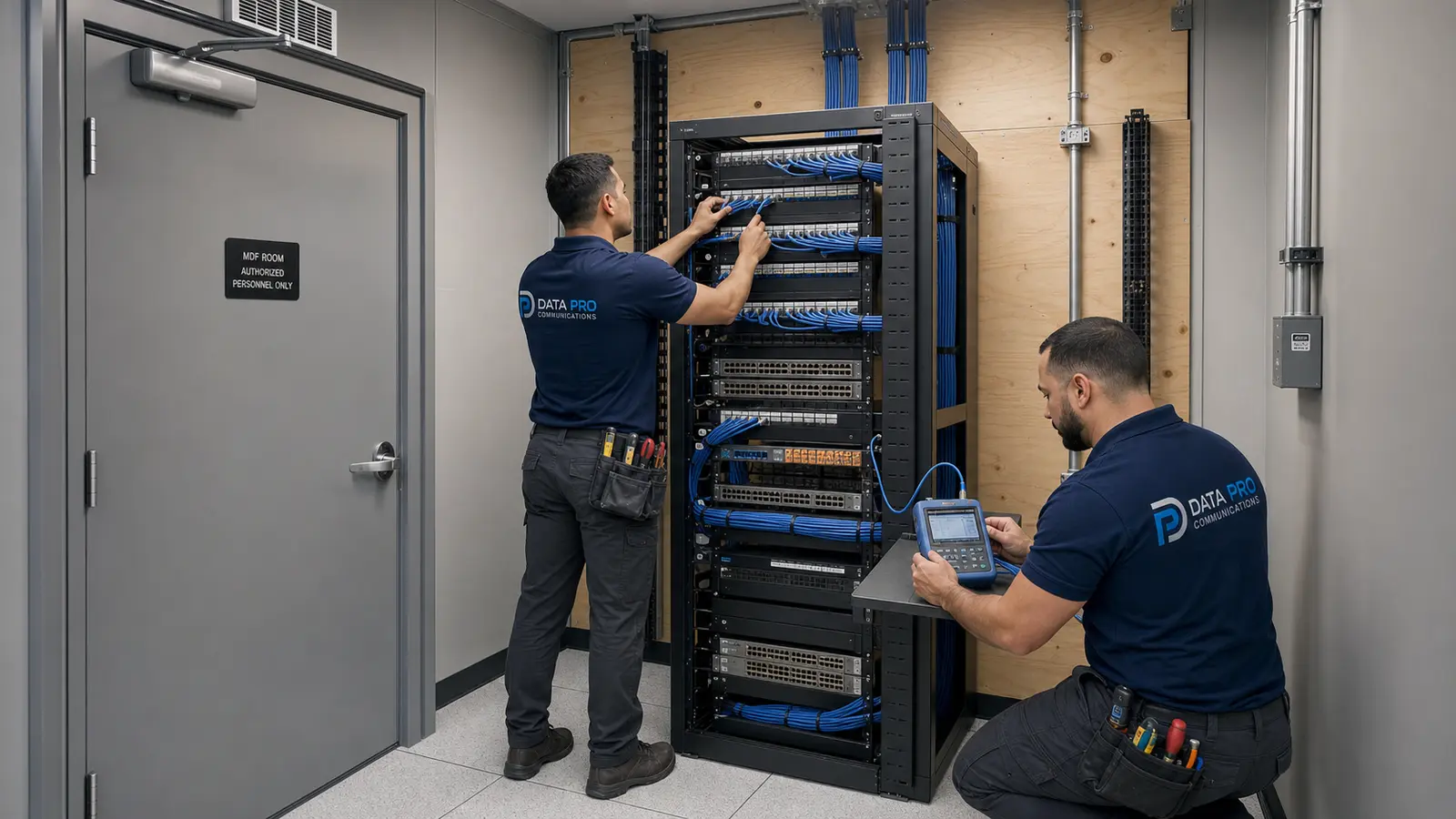
that need new workstation, camera, and wireless access point cabling without confusing the production network.
adding work areas, conference rooms, printers, and networked devices with labeled data drops.
that need back-office, POS-supporting network paths, cameras, and Wi-Fi access point cable runs.
needing organized low-voltage pathways that separate administrative, device, and support cabling.
adding clubhouse, gatehouse, leasing-office, camera, and access-control cabling.
that need copper cabling organized around fiber handoffs, network closets, and future serviceability.
Review goals, property type, existing conditions, user workflows, connected systems, and site constraints.
Evaluate pathways, equipment locations, documentation, power, network dependencies, and integration needs related to the service scope.
Provide recommendations based on verified findings, including scope priorities, phased options, and supporting service dependencies.
Coordinate implementation handoff, labeling, documentation, owner review, and next-step planning for future support.
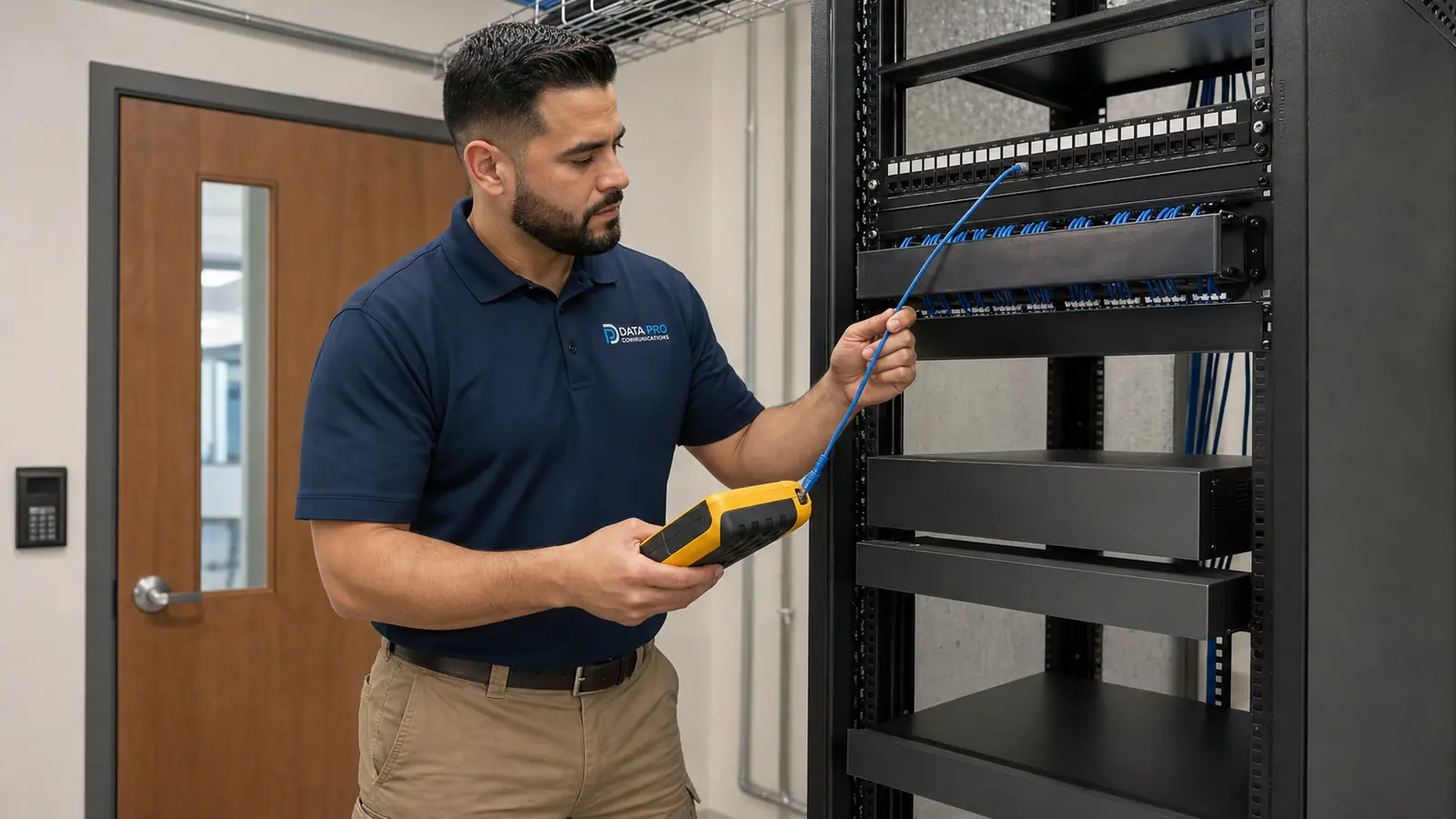
Inspect cameras, cabling, PoE, recording, storage and documentation before reliability suffers.
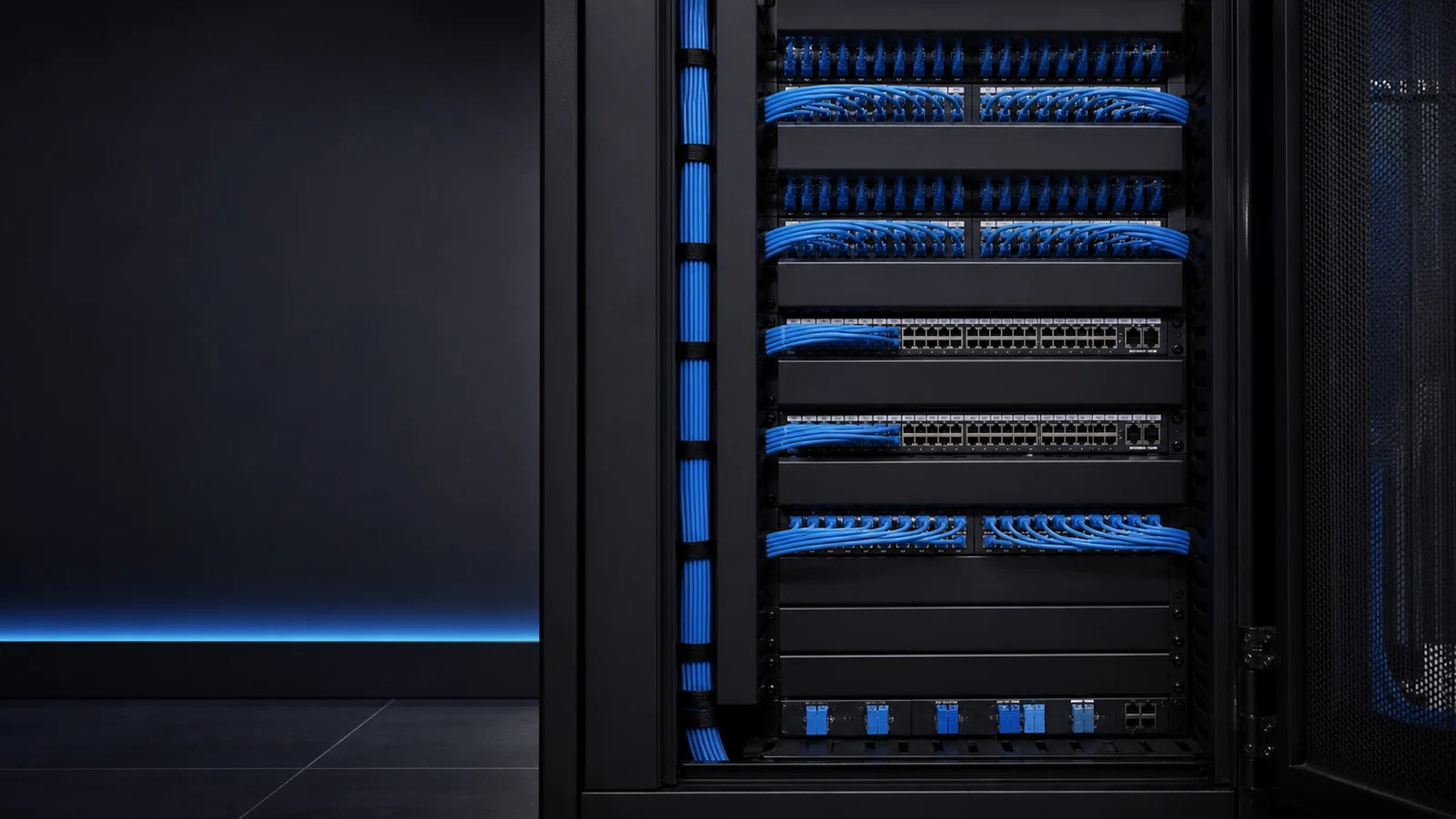
Plan dedicated Cat6 and Cat6A drops, pathways, terminations, rack organization, testing and documentation.
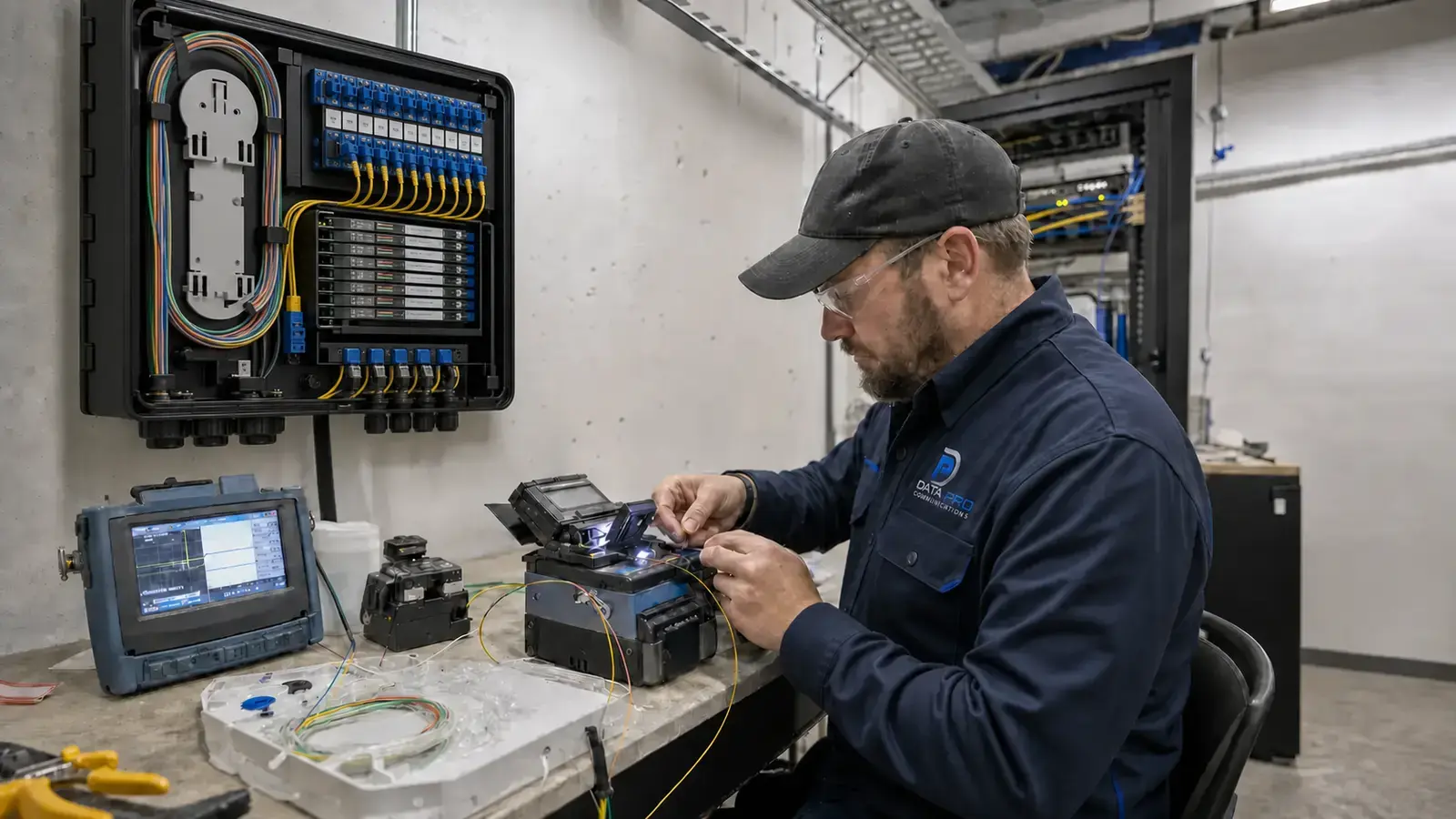
Plan backbone, building-to-building fiber, termination, testing and repair for high-capacity connections.
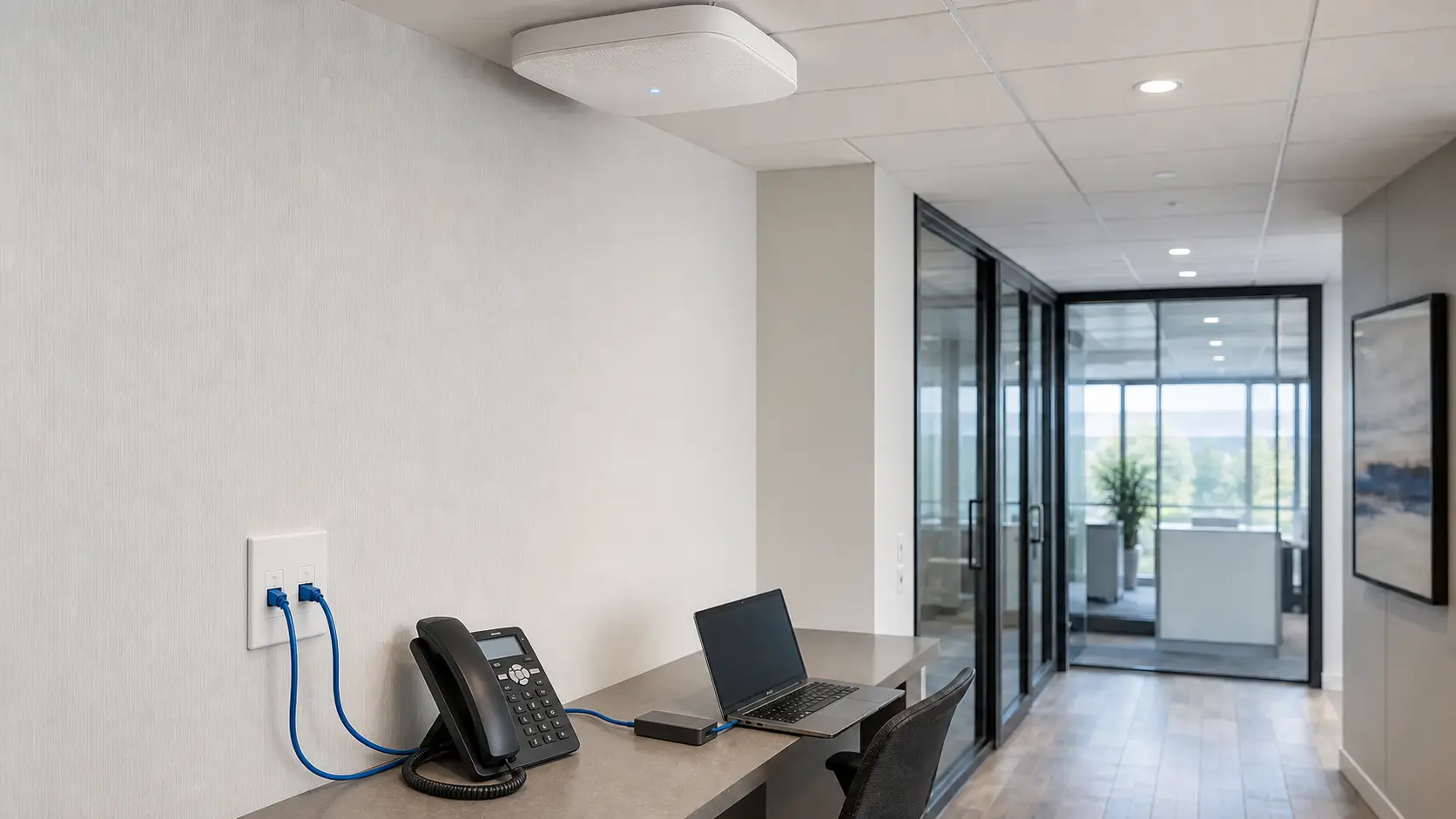
Coordinate PoE, switching, racks, Wi-Fi and segmentation for reliable connected systems.
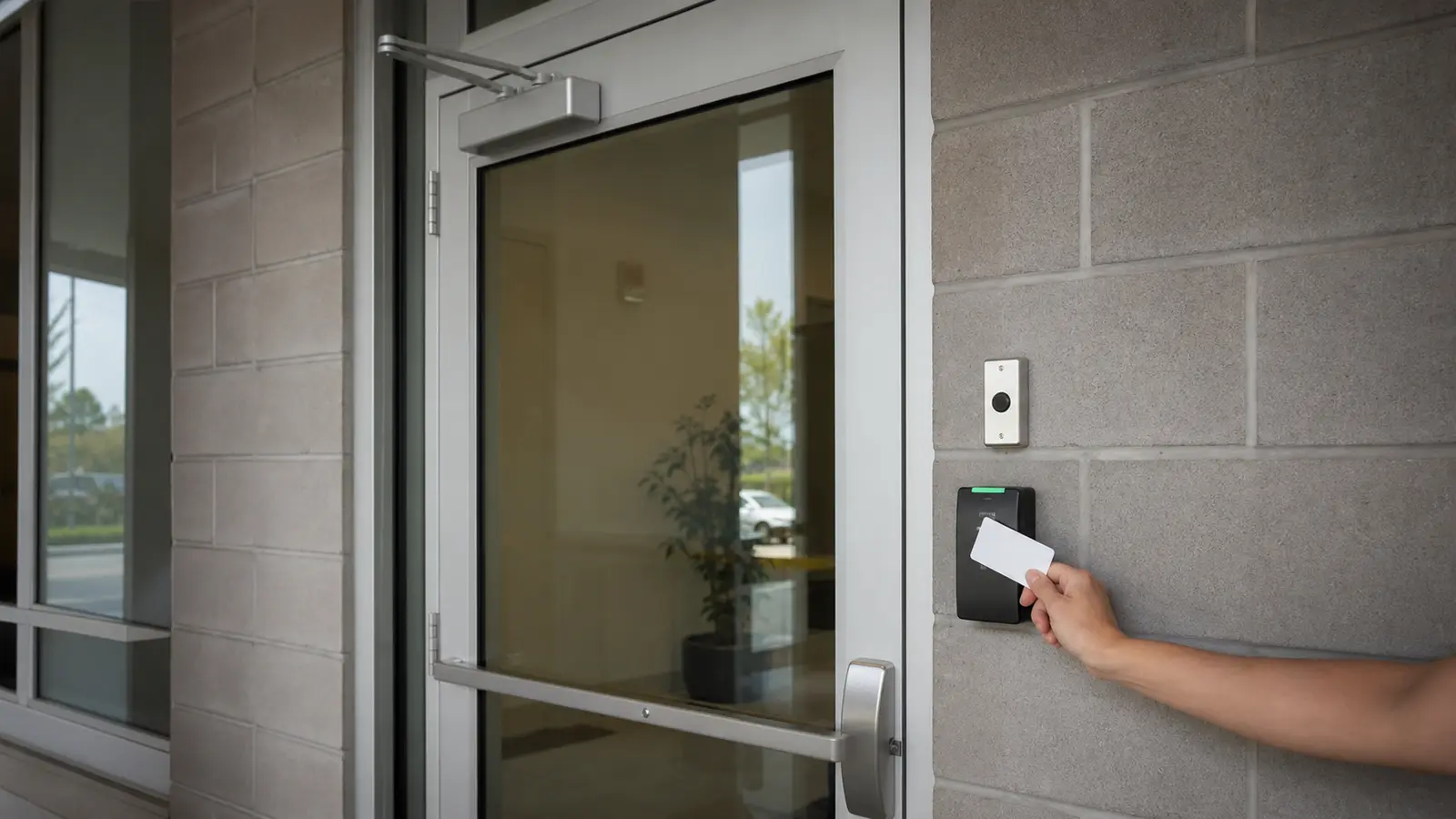
Manage credentials, readers, controllers, locks and monitored doors around authorized workflows.
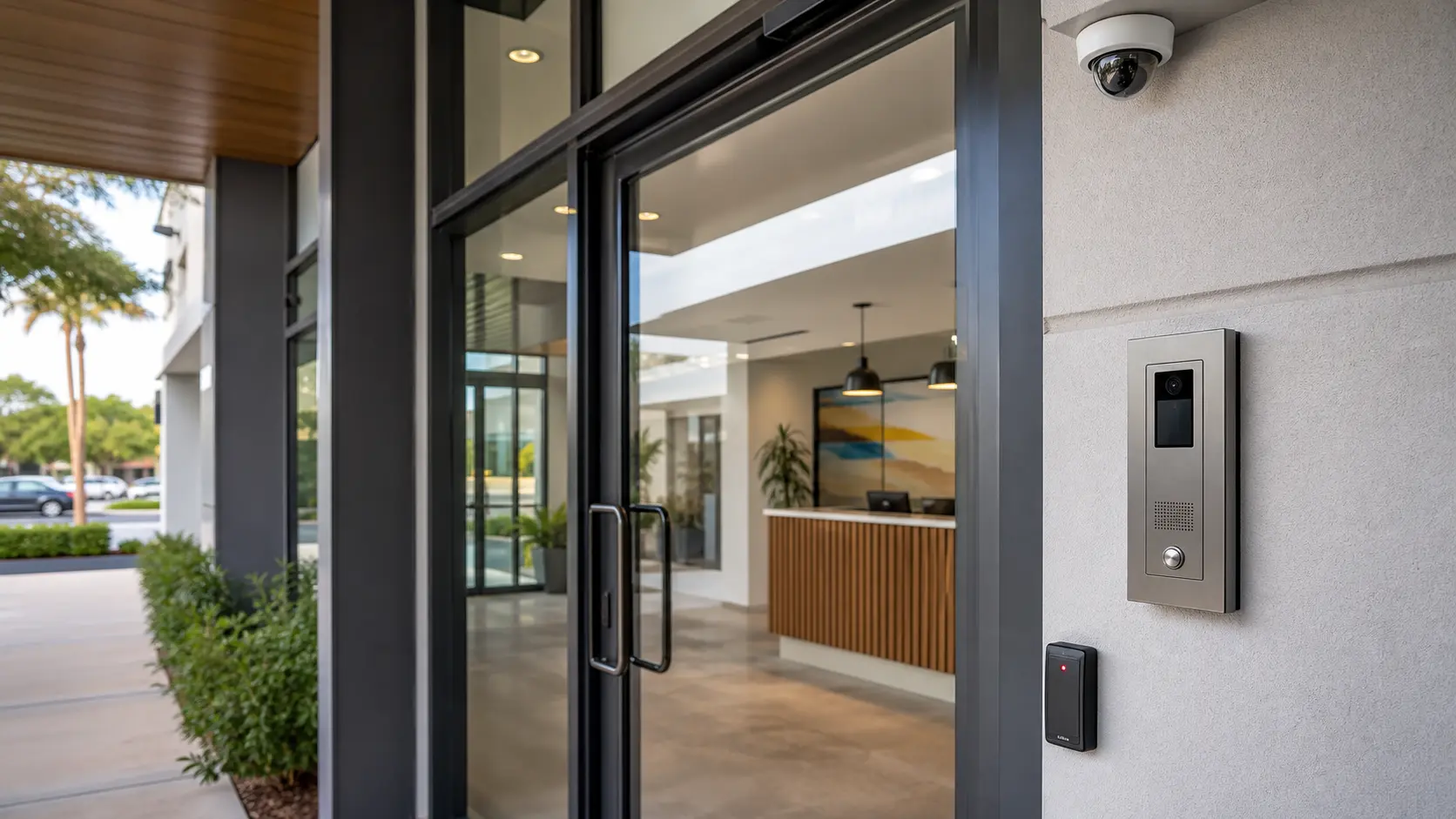
Coordinate visitor communication, door stations, gates and access-control integration for managed entry.
Compare property-specific camera, access, cabling and network planning for Lakeland commercial environments.

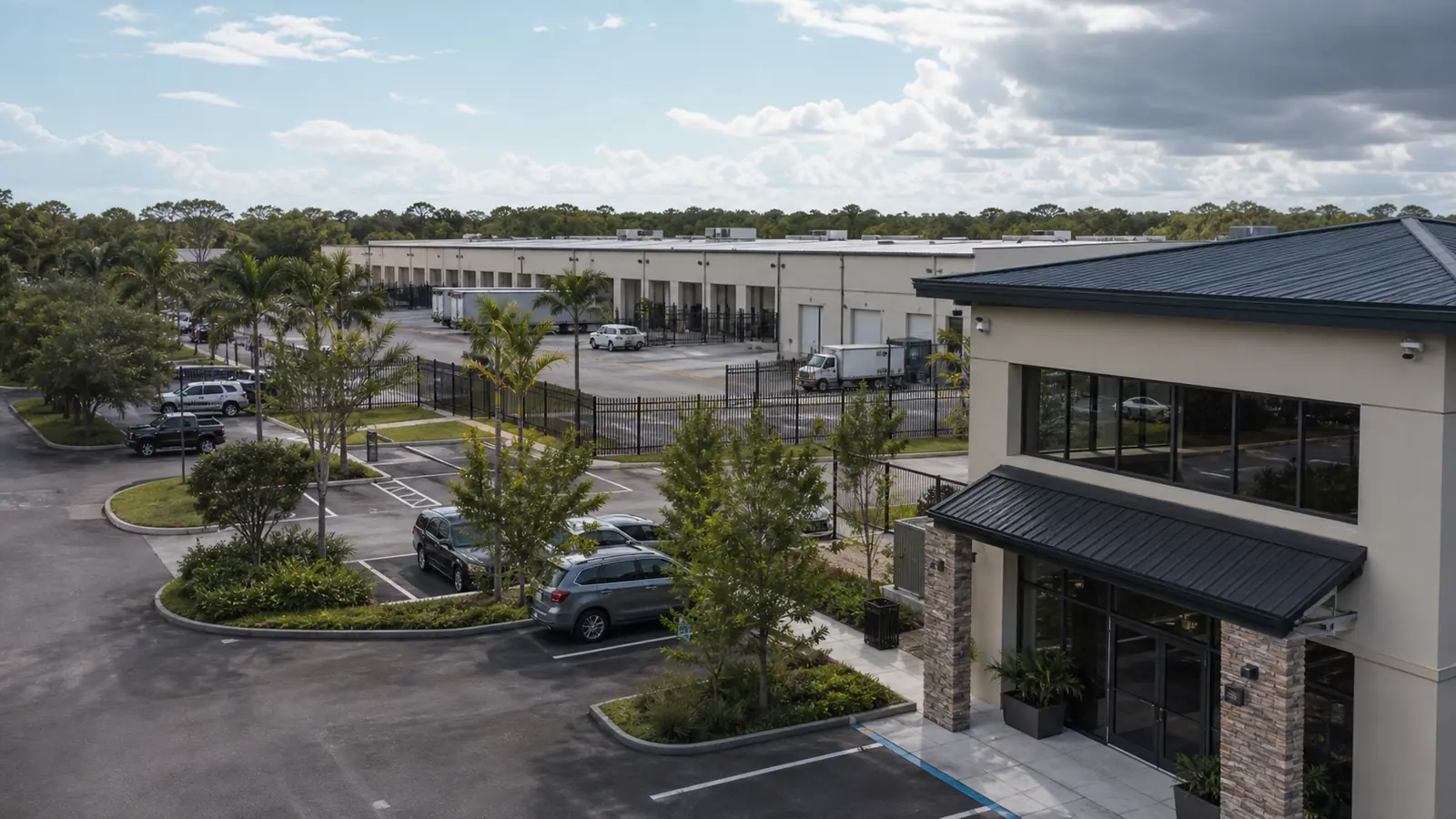
Coordinate cameras, controlled entry and infrastructure across production areas, perimeters and equipment yards.

Plan cameras, access, cabling and recording around docks, aisles, yards and logistics workflows.
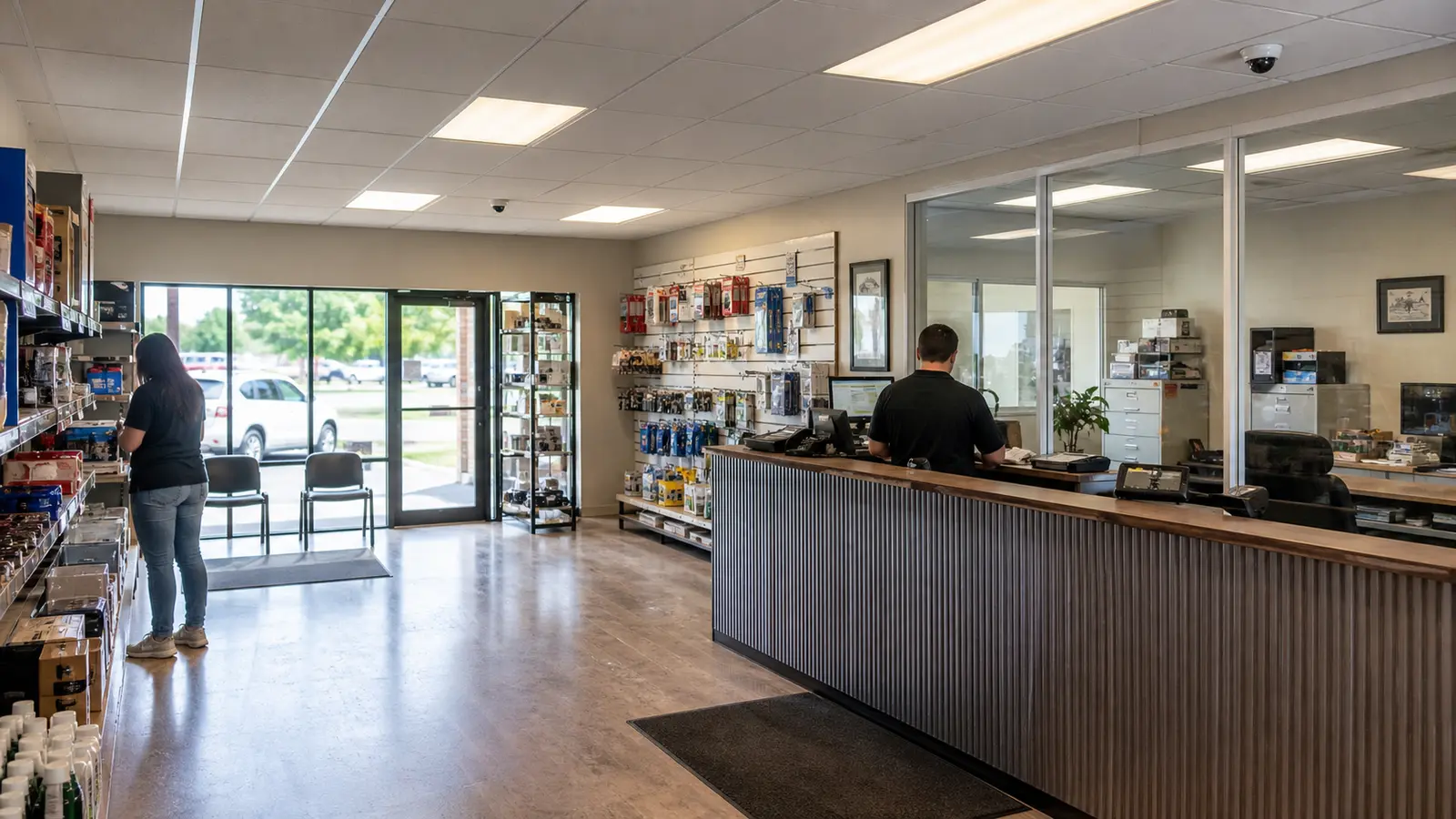
Protect entrances, customer areas, staff spaces, stock rooms and shared office circulation.
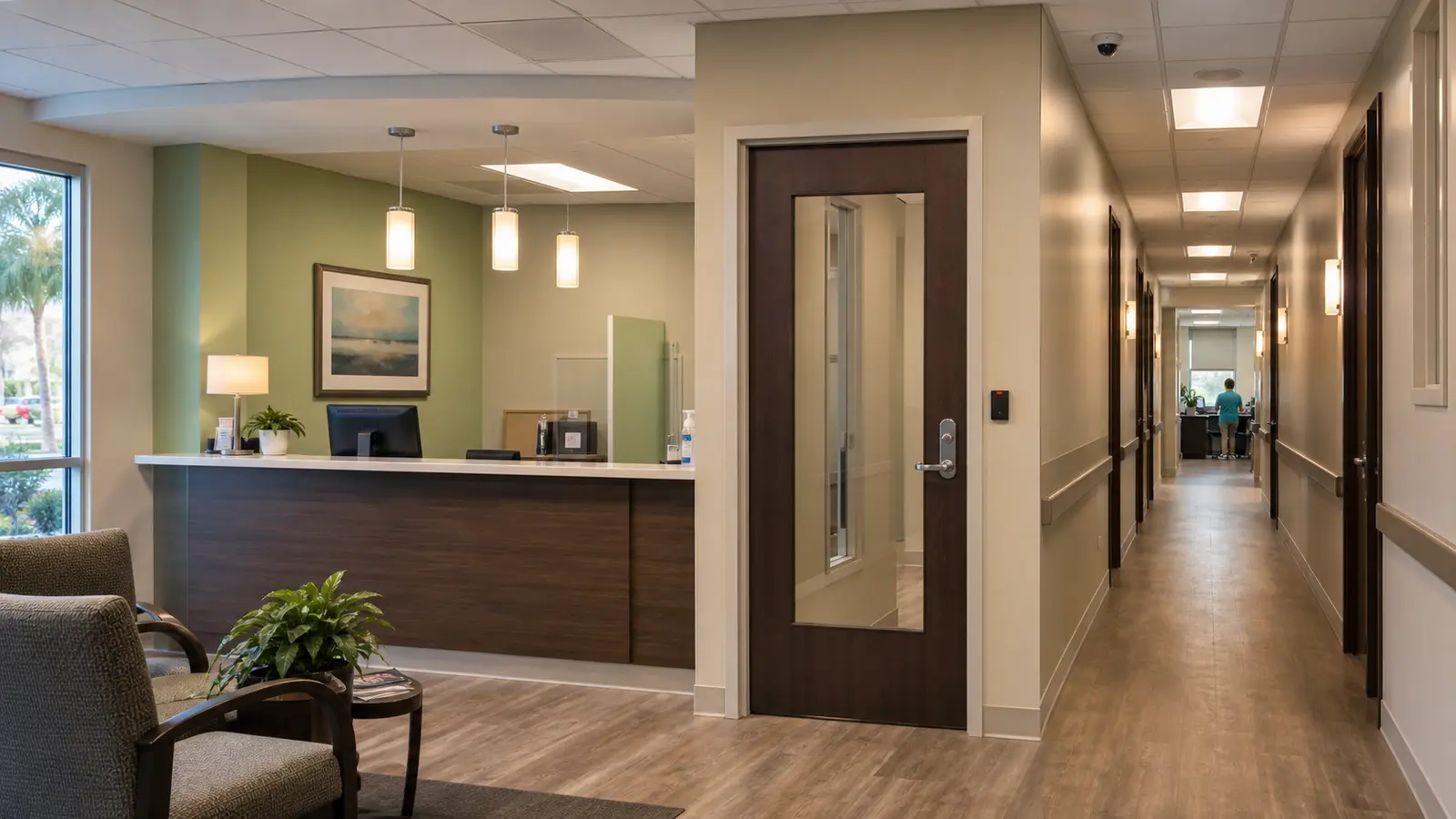
Coordinate discreet camera, entry and infrastructure planning for healthcare and professional offices.
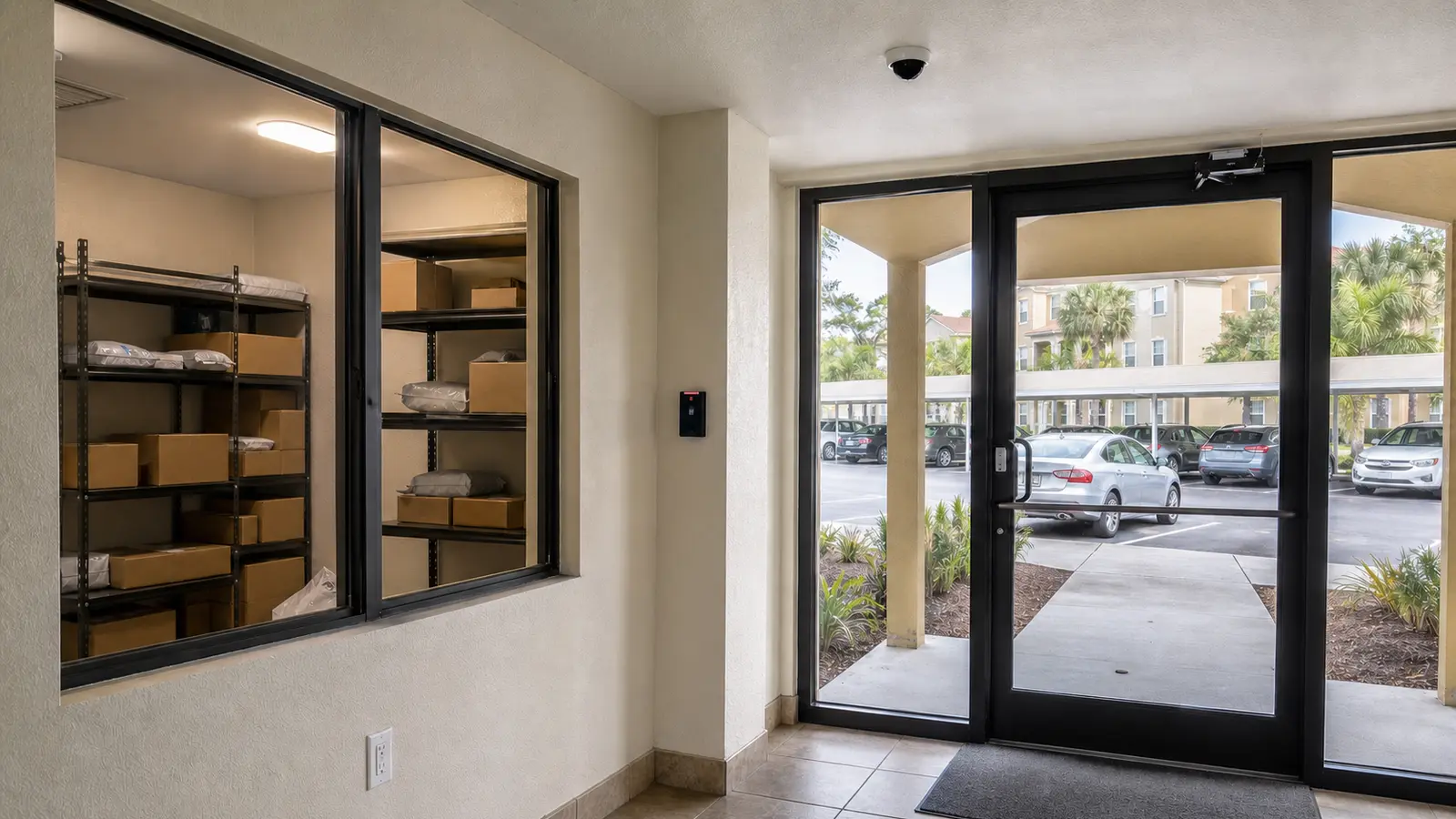
Plan coverage for shared entrances, parking, package rooms, amenities and management workflows.

No. Structured cabling is the physical copper cabling and organization layer. Network infrastructure covers switches, routing, segmentation, Wi-Fi infrastructure, and equipment readiness that use the cabling.
Yes. Cabling often supports cameras, access control, intercoms, wireless access points, and networked equipment, but those systems still need their own device-level design and configuration.
Yes. The scope can include tracing, labeling, testing, cleanup recommendations, and additions to existing cabling when the building conditions and cable condition support the work.
Yes. Cat6A may be appropriate for higher-performance copper runs, dense device areas, network closets, and future-ready commercial infrastructure when distance, pathway, and equipment conditions allow.
Testing can be included to document whether installed cabling supports the intended use. The exact test method depends on project requirements, cable type, and owner documentation needs.
Yes. Tenant improvements and office changes are common structured cabling use cases, especially when drops, labeling, and patching need to be coordinated before furniture and equipment move in.
Useful details include floor plans, device counts, preferred outlet locations, ceiling and wall conditions, rack or closet locations, current cabling labels, and any phasing constraints.
Organized labeling, patch-panel mapping, and tested cable runs can make future troubleshooting faster because technicians can trace circuits and device paths more confidently.
Yes. Warehouses often need durable pathways for offices, shipping areas, camera positions, access points, and equipment rooms, with careful planning around height, distance, and operations.
Abandoned cable cleanup can be evaluated and recommended when accessible and appropriate, especially where old wiring affects serviceability or equipment-room organization.
No. Cabling can provide wired paths for wireless access points, while Wi-Fi design, switching, segmentation, and performance tuning belong to Network Infrastructure.
Yes. Many commercial projects are phased by floor, tenant area, department, or device group to coordinate with construction, occupancy, and operations.
Contact Data Pro Communications through the Lakeland form or phone number so the team can review locations, device counts, pathway conditions, and documentation needs before recommending a scope.
Plan structured cabling for a Lakeland or Polk County property with Data Pro Communications. Request a site review or call (863) 345-2727 to discuss the property, connected systems, and recommended next step.