CCTV Camera Installation
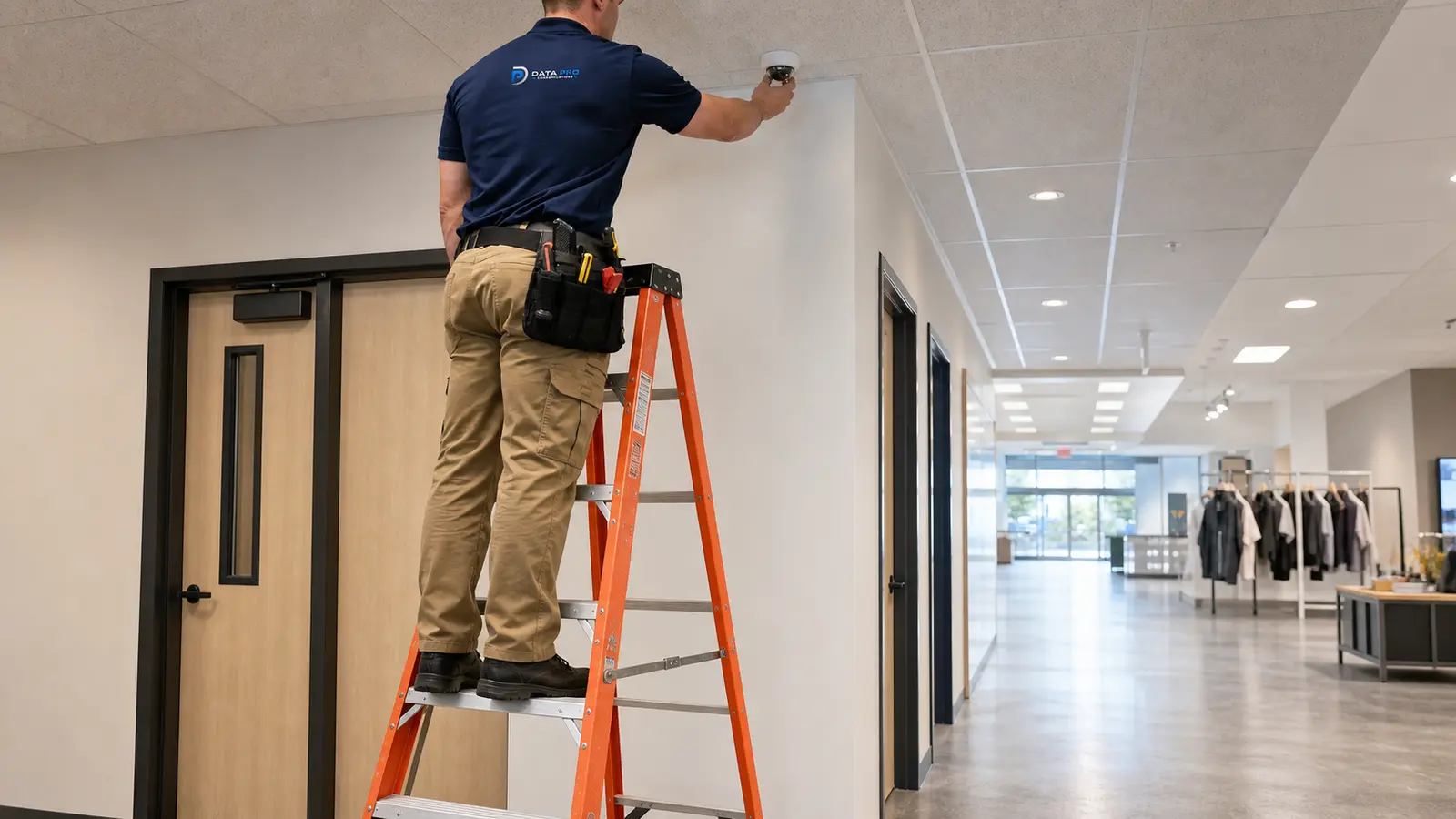
Install cameras, cabling, mounting hardware and supporting equipment with attention to image angle, lighting, weather exposure and service access.
LAKELAND COMMERCIAL CCTV INSTALLATION
Data Pro Communications plans and installs commercial CCTV camera systems for Lakeland businesses, managed properties, construction teams, HOAs, multifamily communities and selected larger residential projects that need professional low-voltage coordination.
Use this page to plan camera views, mounting locations, cable routes, NVR recording, retention expectations, remote viewing and service access around the way the property is actually managed.
Commercial CCTV installation helps property teams see the right areas, record useful footage and manage camera access without depending on disconnected consumer devices. A practical CCTV plan starts with the property layout, operating risks, viewing goals and recording expectations.
Projects may include exterior cameras, interior cameras, coax or network camera coordination, NVR recording, monitor or remote viewing setup, cable pathway planning, equipment-room organization, labeling, testing and documentation.
Data Pro Communications supports offices, warehouses, industrial properties, retail spaces, hospitality sites, healthcare offices, construction projects, HOAs, condominiums, multifamily communities and other managed properties in Lakeland and Polk County.

Install cameras, cabling, mounting hardware and supporting equipment with attention to image angle, lighting, weather exposure and service access.
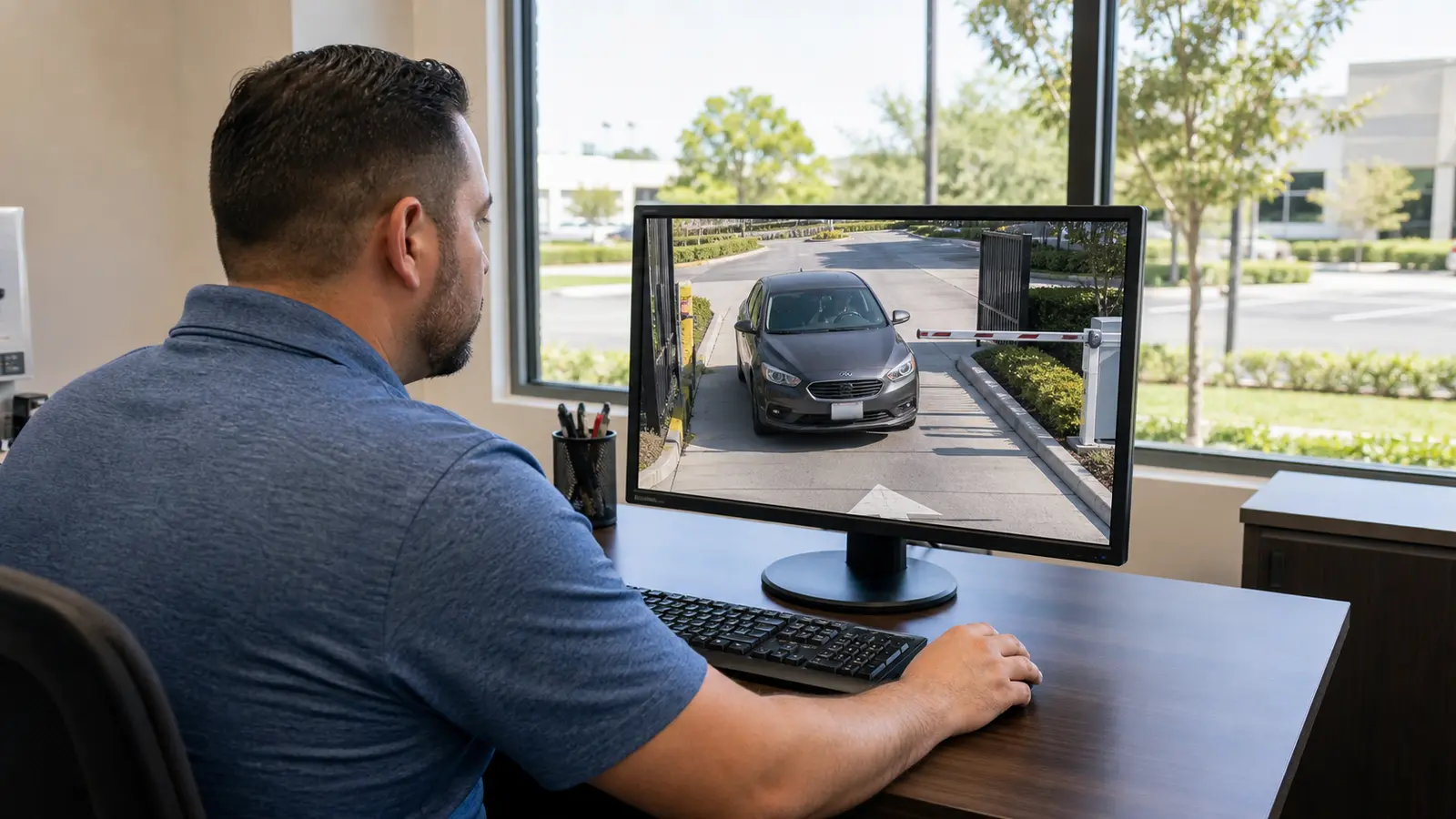
Coordinate recorder capacity, channel count, retention expectations, user permissions and future expansion needs before equipment is finalized.
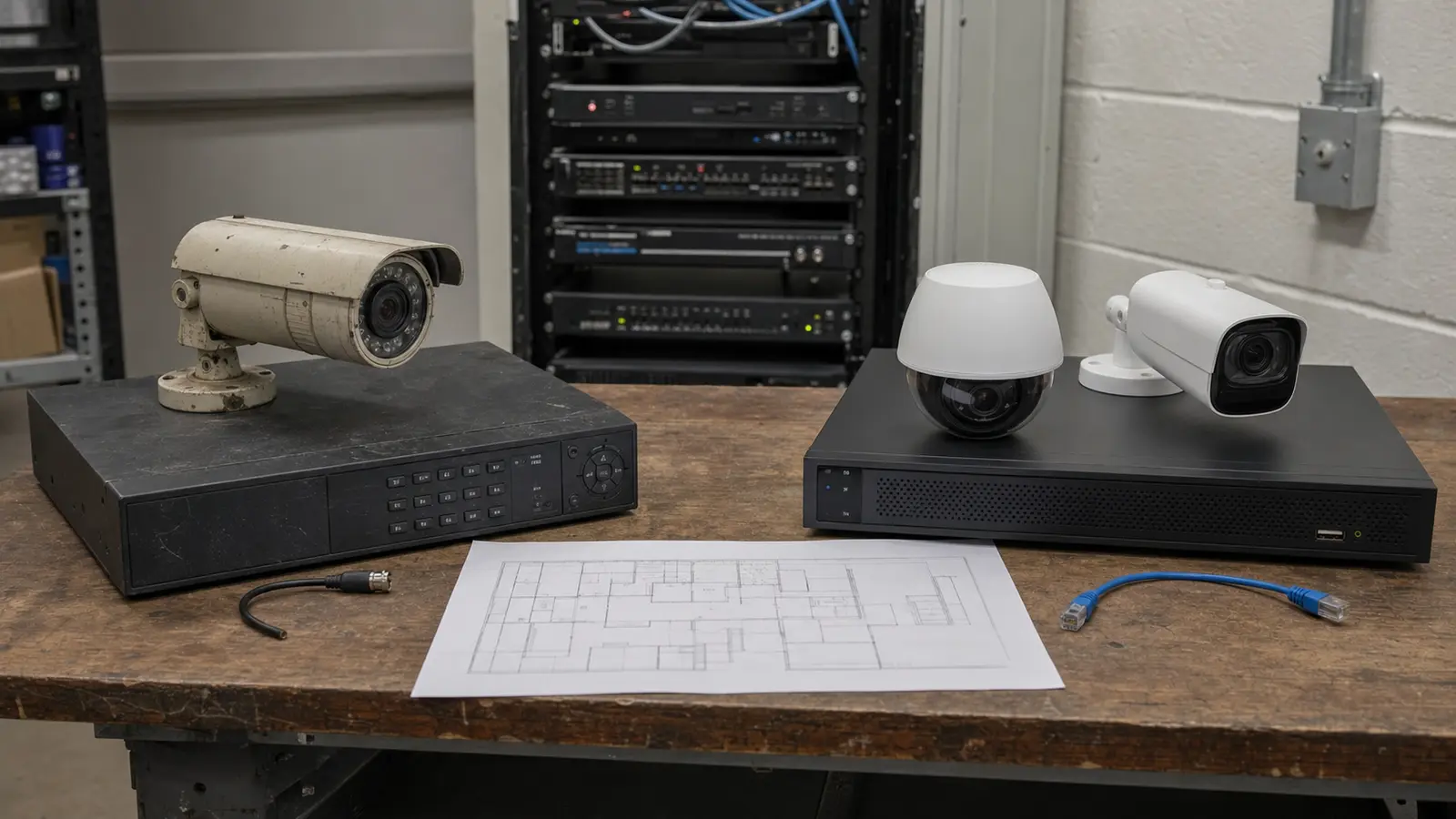
Review aging cameras, weak views, recorder failures, undocumented cabling or poor remote access before replacing or expanding the system.
Lakeland commercial properties often need CCTV coverage that supports everyday management decisions, not only after-the-fact review. Useful views can include customer entrances, employee doors, parking areas, delivery zones, reception areas, cash-handling locations, common areas and equipment rooms.
Warehouses, distribution spaces and industrial properties may need camera plans that account for long cable pathways, larger footprints, yard activity, docks, overhead doors, inventory movement, lighting variation and the distance between the recorder and important views.
Retail, hospitality, healthcare and professional-office properties often need clear interior and exterior coverage without creating a system that is difficult for managers to use. Camera placement, retention and user permissions need to match the people who actually review footage.
HOAs, condominiums and multifamily communities may need CCTV planning for entrances, gates, clubhouses, parking areas, mail areas, amenities and shared corridors. Those projects work best when camera views, cabling routes and manager access are planned together.
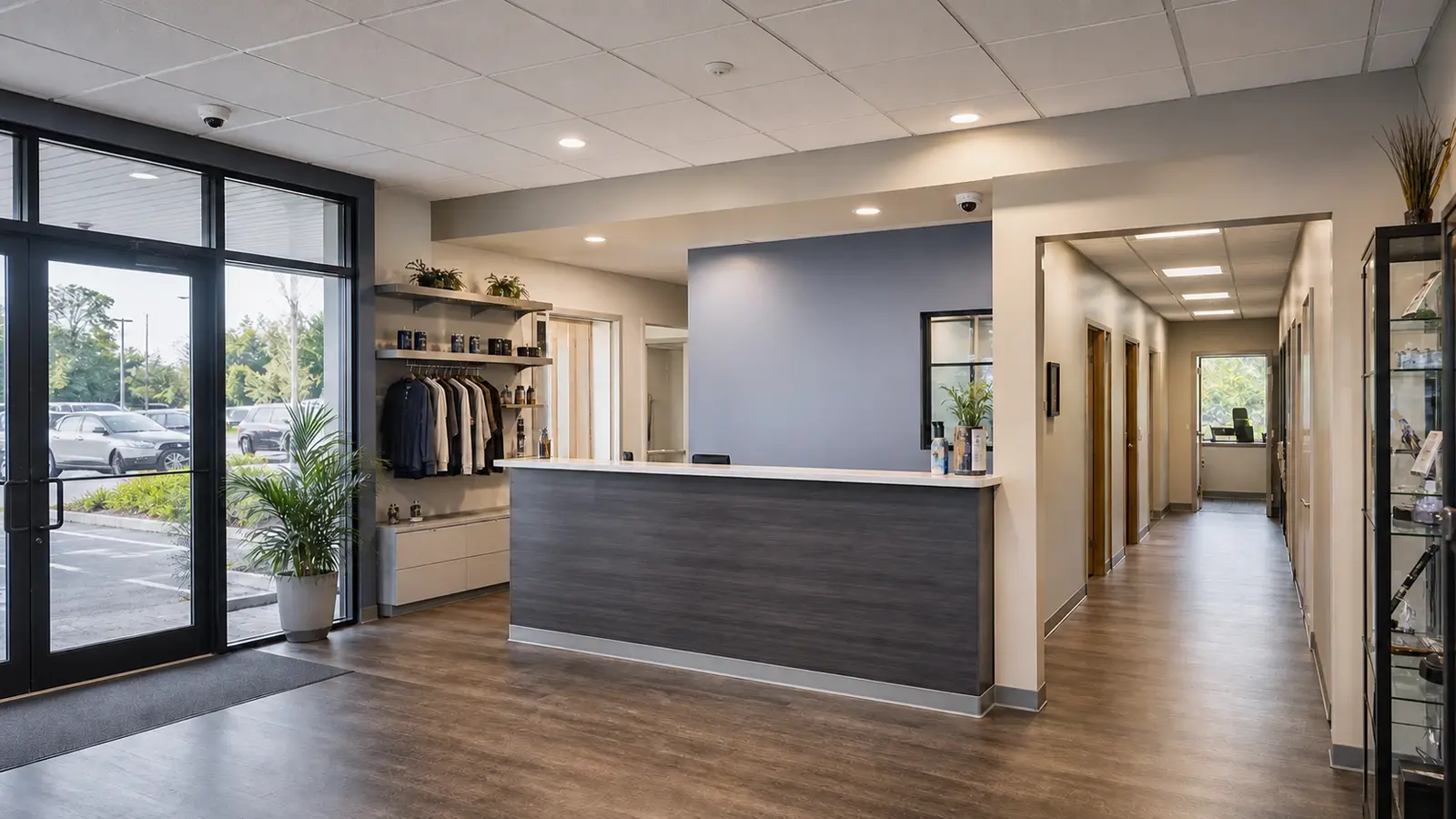

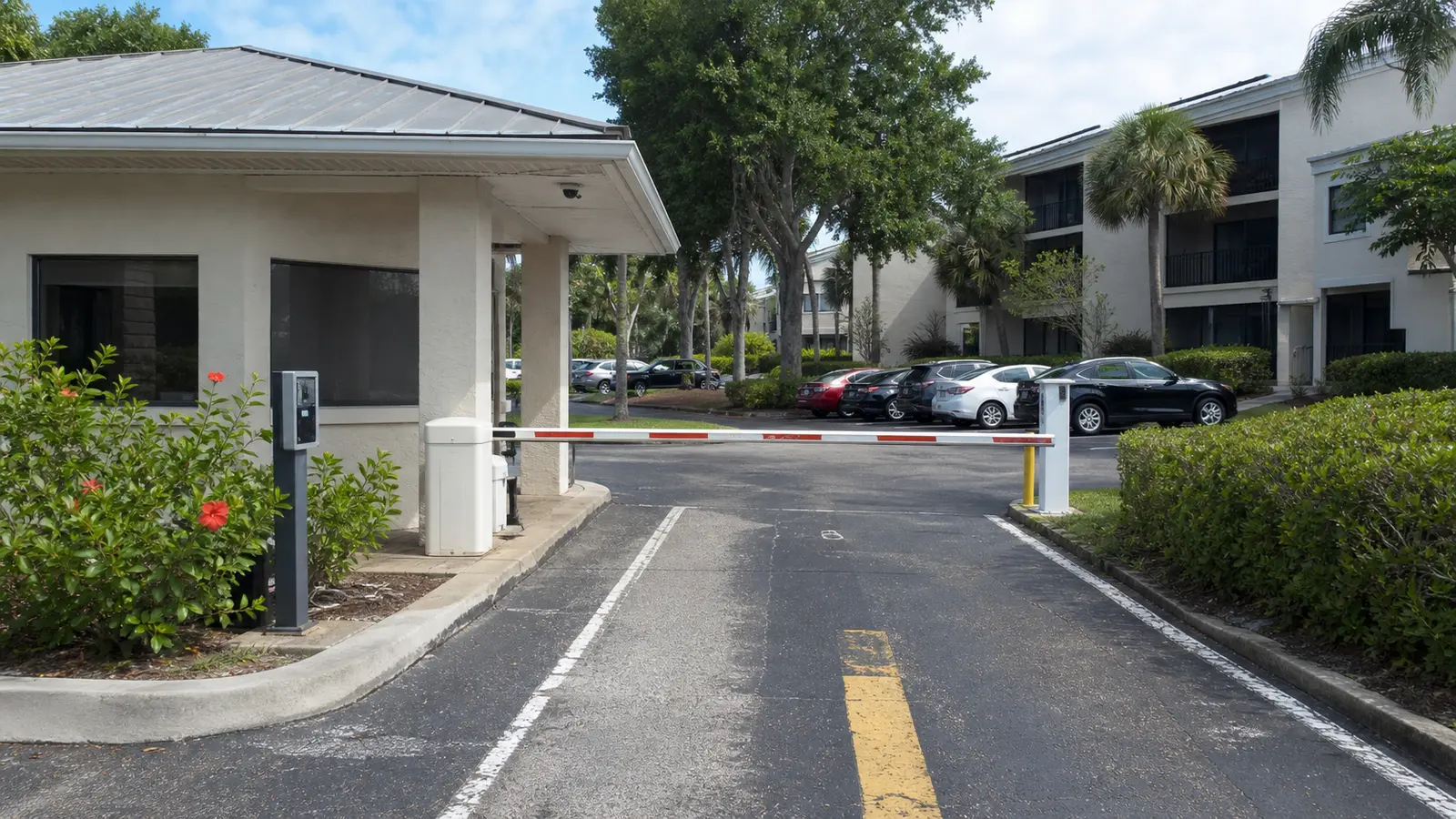
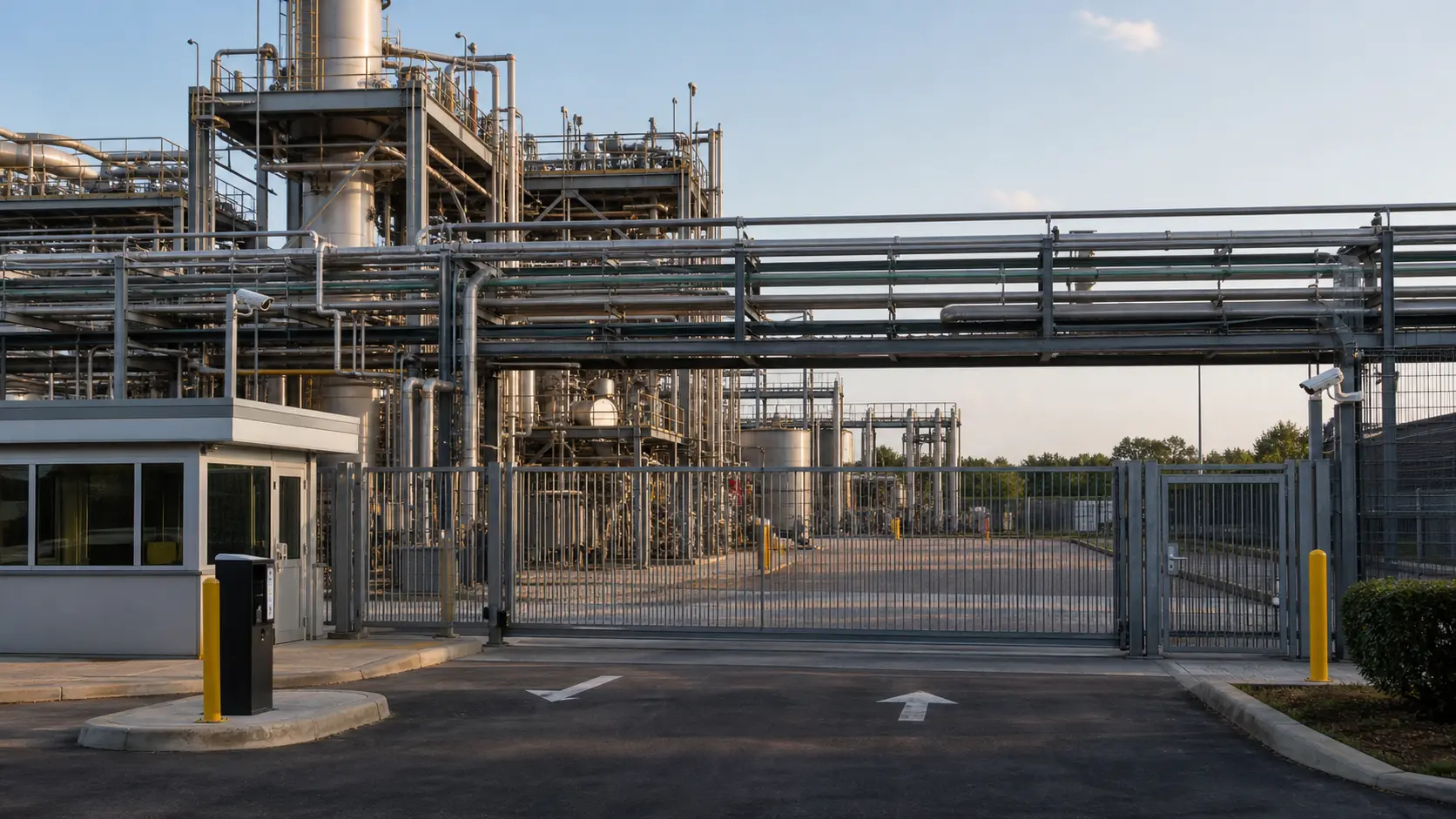
Map entries, exits, parking areas, service doors, counters, storage areas, docks and shared spaces so the camera system records views that matter.
Organize viewing access for owners, managers, facilities teams or authorized users while keeping permissions aligned with property operations.
Coordinate CCTV with structured cabling, access control, intercom, gate entry, network infrastructure and other low-voltage systems when the project requires it.
Review entrances, exits, parking areas, shared spaces, equipment rooms, transaction points, loading areas and other locations that need usable camera views.
Map camera locations, cable pathways, mounting conditions, recorder location, network handoff, power needs and future expansion paths.
Install cameras, cabling, mounting hardware and recording equipment, then configure views, recording, time settings and authorized user access.
Test camera views, playback, recorder organization, remote access and documentation so the property team understands how the CCTV system is organized.
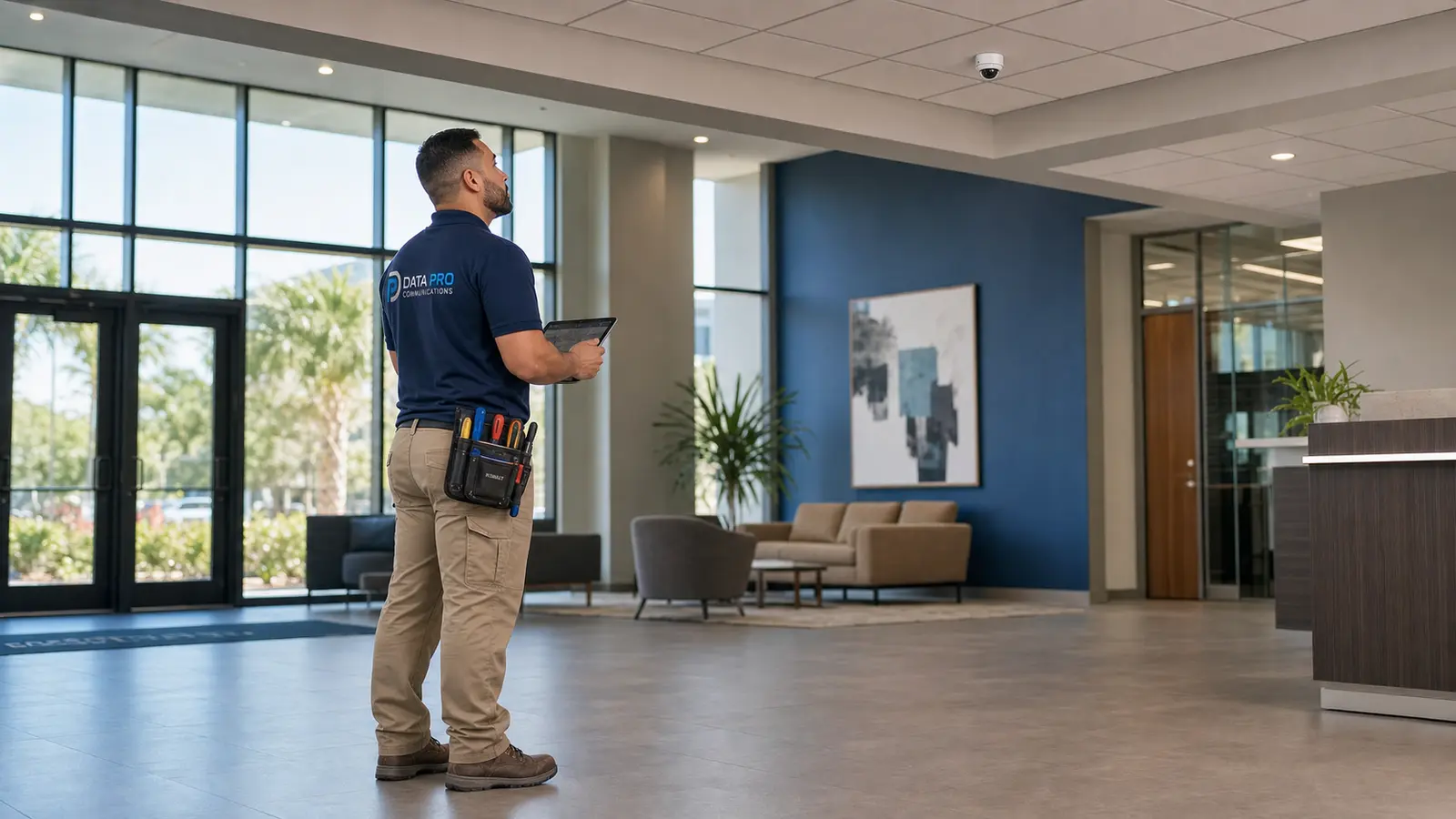
Network-connected camera systems may use PoE infrastructure, NVR or VMS coordination, remote access and user permissions when the property needs scalable video coverage.
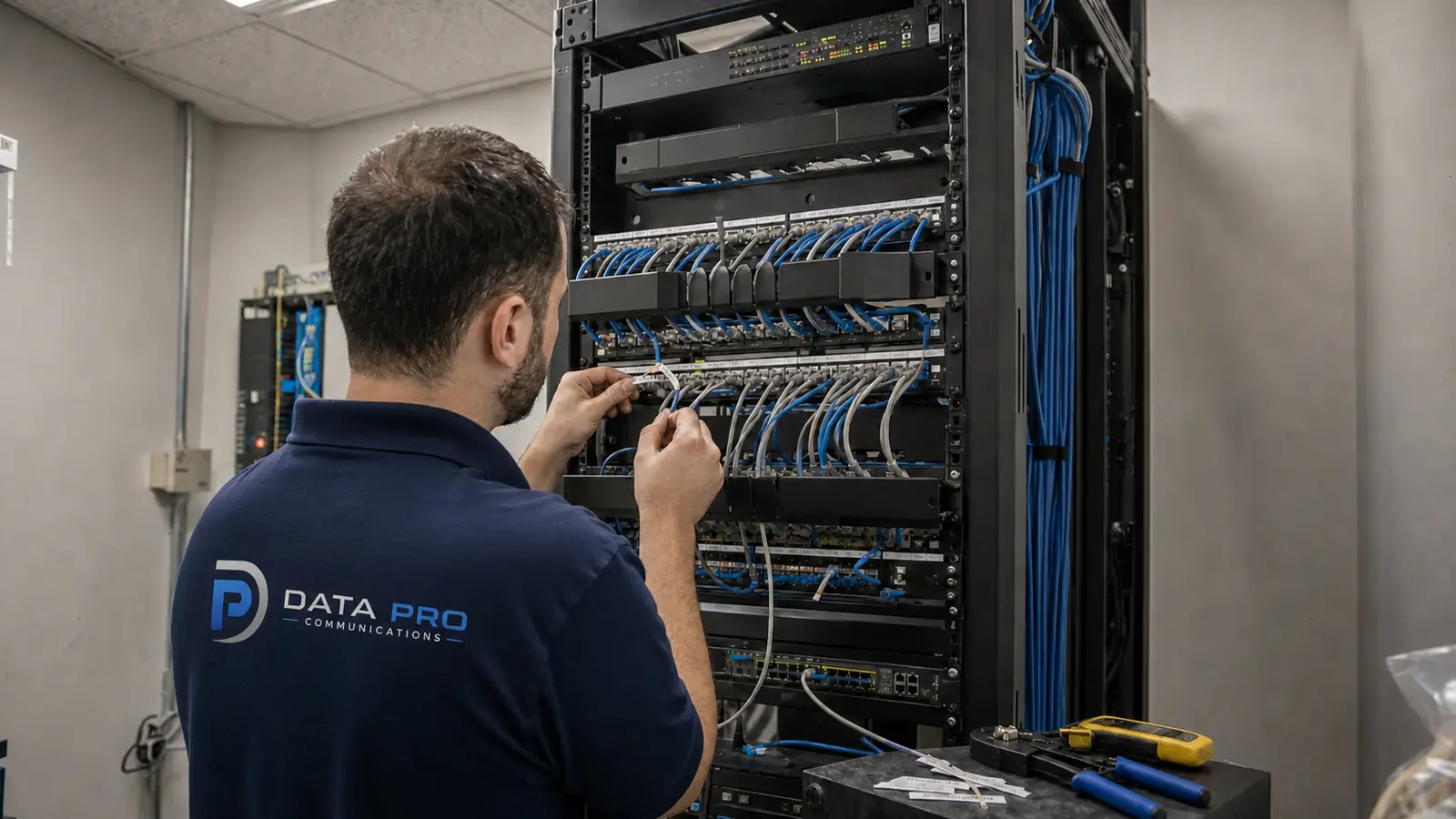
Plan Cat6, Cat6A, fiber, cable pathways, labeling, equipment-room organization and network infrastructure that support cameras, access control and other low-voltage systems.

Yes. Data Pro Communications plans and installs commercial CCTV systems for Lakeland offices, retail spaces, warehouses, industrial properties, hospitality sites, healthcare offices, construction projects, HOAs, condominiums, multifamily communities and other managed properties.
A CCTV installation can include site review, camera placement planning, cable pathway planning, camera mounting, recorder or NVR setup, monitor or remote-viewing coordination, user access, view testing and documentation.
Camera count depends on the property layout, entrances, parking areas, shared spaces, lighting, image-detail goals and recording needs. A site review helps determine which views are important and which areas do not need a dedicated camera.
Yes. Existing CCTV systems can be reviewed for weak camera views, failed cameras, outdated recorders, poor labeling, limited storage, remote-access problems or cabling that needs cleanup before replacement.
Yes. Exterior CCTV planning can include parking areas, gates, loading areas, walkways, entrances, service doors and perimeter views when mounting height, lighting, weather exposure and cable pathways are practical.
Yes. CCTV projects can include NVR recording, channel planning, storage considerations, retention expectations, playback review, user permissions and equipment placement.
Remote viewing can be planned when the network, recorder and permissions support it. The setup needs to balance convenience, user access and responsible system management.
Yes. CCTV can be coordinated with access control, intercom, gate-entry and other low-voltage systems so entry points and shared spaces have practical video coverage.
Yes. Camera placement is planned around target views, lighting, mounting height, obstructions, activity patterns and the way owners or managers expect to use recorded footage.
Yes. CCTV can be planned for gates, clubhouses, mail areas, parking areas, amenities, common corridors and shared spaces in HOAs, condominiums and multifamily properties.
Commercial CCTV focuses on business and managed-property coverage, recorder planning, retention expectations, user access and serviceable infrastructure. Broader camera installation may include mixed camera technologies and overall low-voltage coordination.
Yes. CCTV systems often depend on Cat6, Cat6A, fiber, cable pathways, labeling, rack space, equipment-room organization and network handoff that can be reviewed during planning.
Yes. Documentation can include camera locations, recorder organization, labeling, user access notes and service information that helps the property team maintain the system later.
A team member reviews the request, confirms the property type and coverage goals, and follows up about the site, timing and next steps for planning the CCTV installation.
Yes. Selected larger residential projects may be considered when they require professional low-voltage planning, multiple devices, structured cabling, recorder coordination, remote access or integrated systems.
Commercial CCTV installation, camera coverage planning, recorder setup, remote viewing, structured cabling and low-voltage coordination for Lakeland and Polk County properties.