Lobby and Guest Entrance Cameras
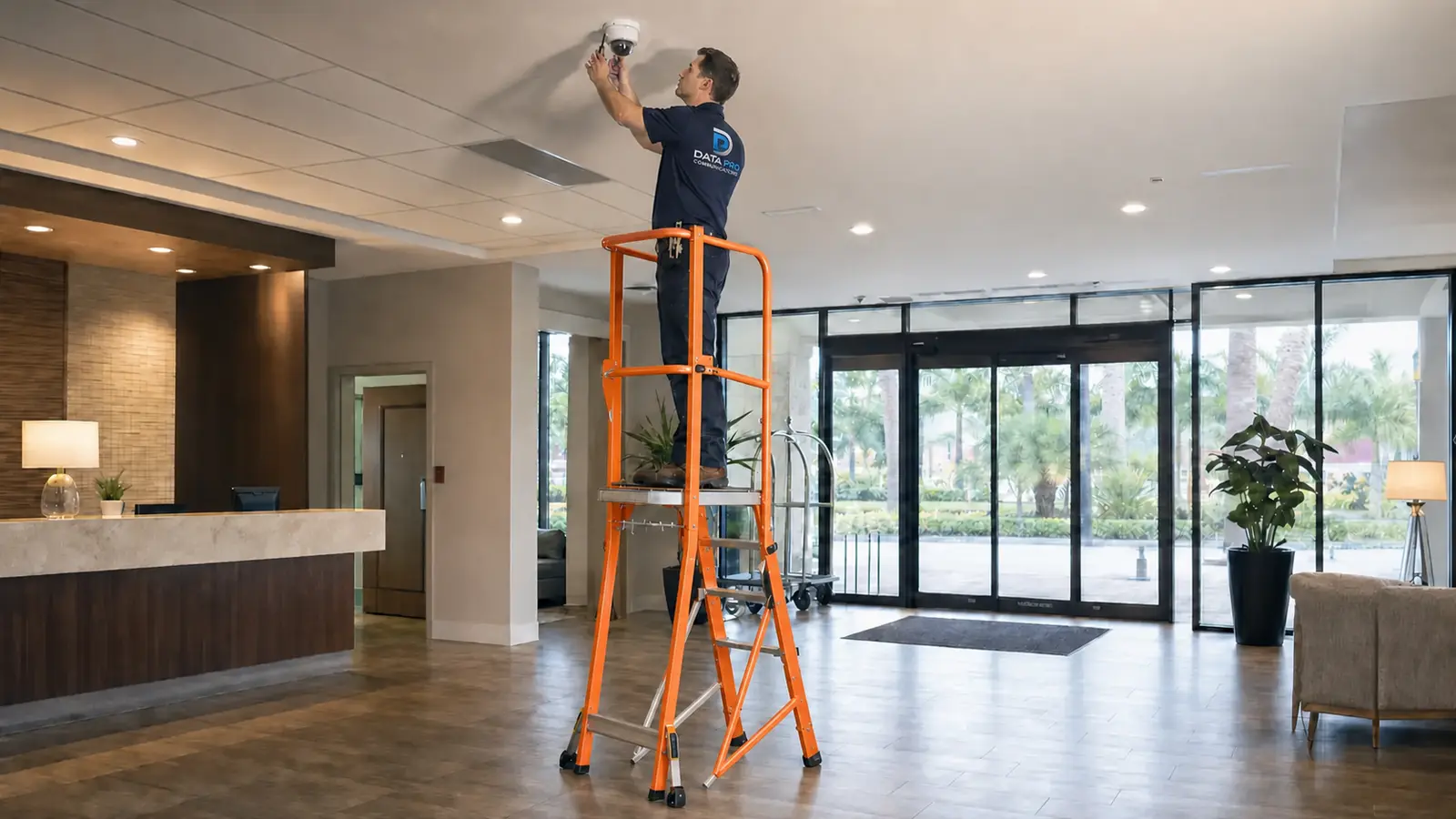
Commercial camera views for guest arrival, lobby circulation, reception-adjacent areas and main entrances.
Security camera and access systems for Lakeland hospitality properties
Hospitality properties need security systems that support guest flow, staff movement and back-of-house operations without turning the environment into a generic retail or multifamily page. Data Pro Communications plans commercial cameras, access control, intercoms, cabling, network infrastructure and remote viewing for Lakeland hotels, restaurants, event venues, conference spaces and visitor-facing properties.
A good hospitality design separates guest entrances, parking approaches, dining areas, service corridors, kitchens, storage rooms, offices, staff-only doors and event transitions. The system supports operational review and property management while avoiding unsupported promises about guest safety, compliance or guaranteed outcomes.
Hospitality security systems have to respect both public experience and operational control. Hotels, restaurants and venues may need visible coverage at entrances and parking approaches, discreet coverage in circulation areas, controlled access to staff-only rooms and back-of-house spaces, and remote access for managers who review activity across shifts. Data Pro Communications coordinates cameras, access control, intercoms, structured cabling and network readiness around that workflow.
Lakeland hospitality properties operate around changing guest, staff, vendor and event patterns throughout the day. Hotels, restaurants and venues may shift between arrival periods, dining or event service, deliveries, staff-only work, parking use and after-hours management, so the industry plan should distinguish guest-facing spaces from the back-of-house areas that support the operation.
Commercial camera views for guest arrival, lobby circulation, reception-adjacent areas and main entrances.
Camera planning for dining areas, service doors, kitchens, storage, reception spaces and event movement points.
Managed entry for offices, storage rooms, service corridors, staff doors and vendor access points.
Exterior camera placement for approaches, parking areas, delivery points and building entrances.
Entry communication and release planning for staff doors, venue offices, delivery entries and controlled hospitality spaces.
Low-voltage infrastructure, recorder setup and network coordination sized to hospitality operating needs.
Lakeland’s visitor economy, downtown dining activity, event spaces, hotels and Central Florida travel context create hospitality properties with varied traffic patterns. Restaurants may focus on entrances, service doors, kitchens and storage. Hotels may need lobby, parking, corridor transition and staff-only planning. Venues may need guest arrival, event load-in, ticketing or reception zones, office spaces and back-of-house movement. In each case, camera angles, access permissions and network paths should be planned around the way guests, staff, vendors and managers move through the property.
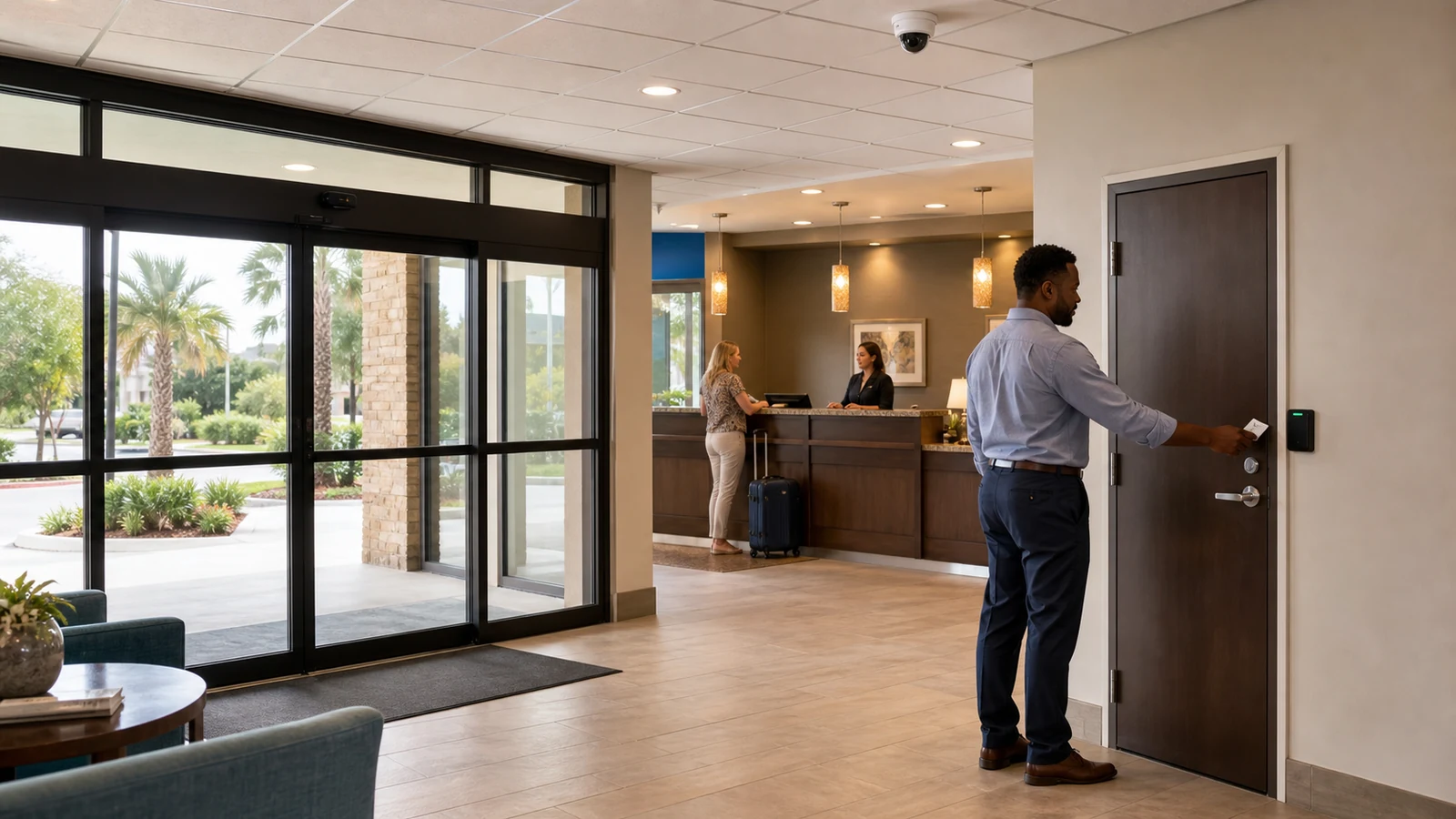
where guest entry, reception and elevator-adjacent transitions need practical visibility.
where customer areas and staff-only areas require different planning.
where guest arrival, vendor load-in, reception areas and back-of-house movement change by event type.
where camera placement, lighting and view distance affect usability after hours.
where access control can separate operational areas from guest-facing spaces.
where managers need remote review across shifts without overcomplicating user permissions.
Separate guest-facing camera goals from back-of-house operational goals so placement, access permissions and review roles stay clear.
Plan network and cabling routes early for renovations or buildouts because hospitality spaces often have finished interiors and active operating schedules.
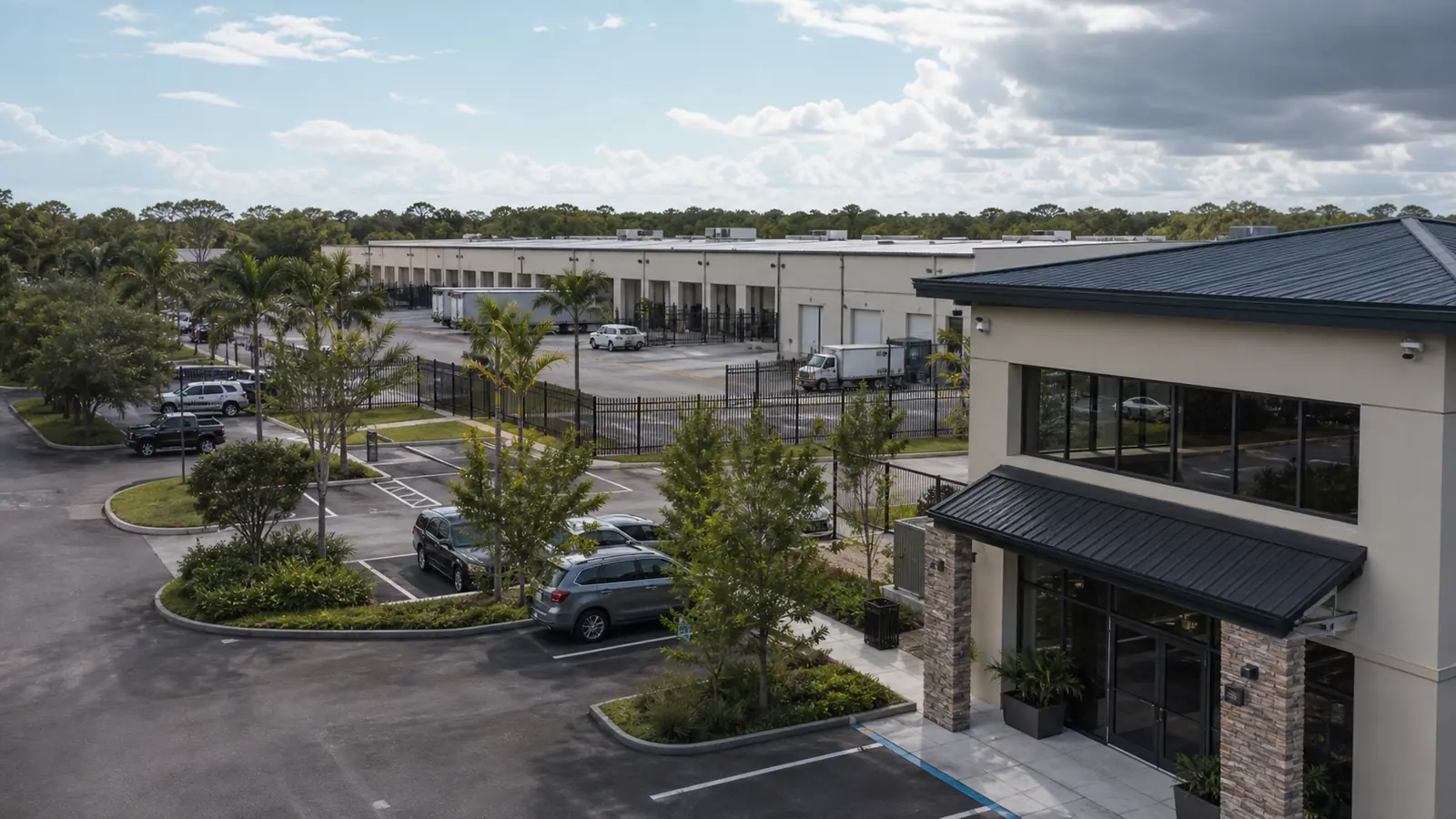
Compare property-specific camera, access, cabling and network planning for Lakeland commercial environments.
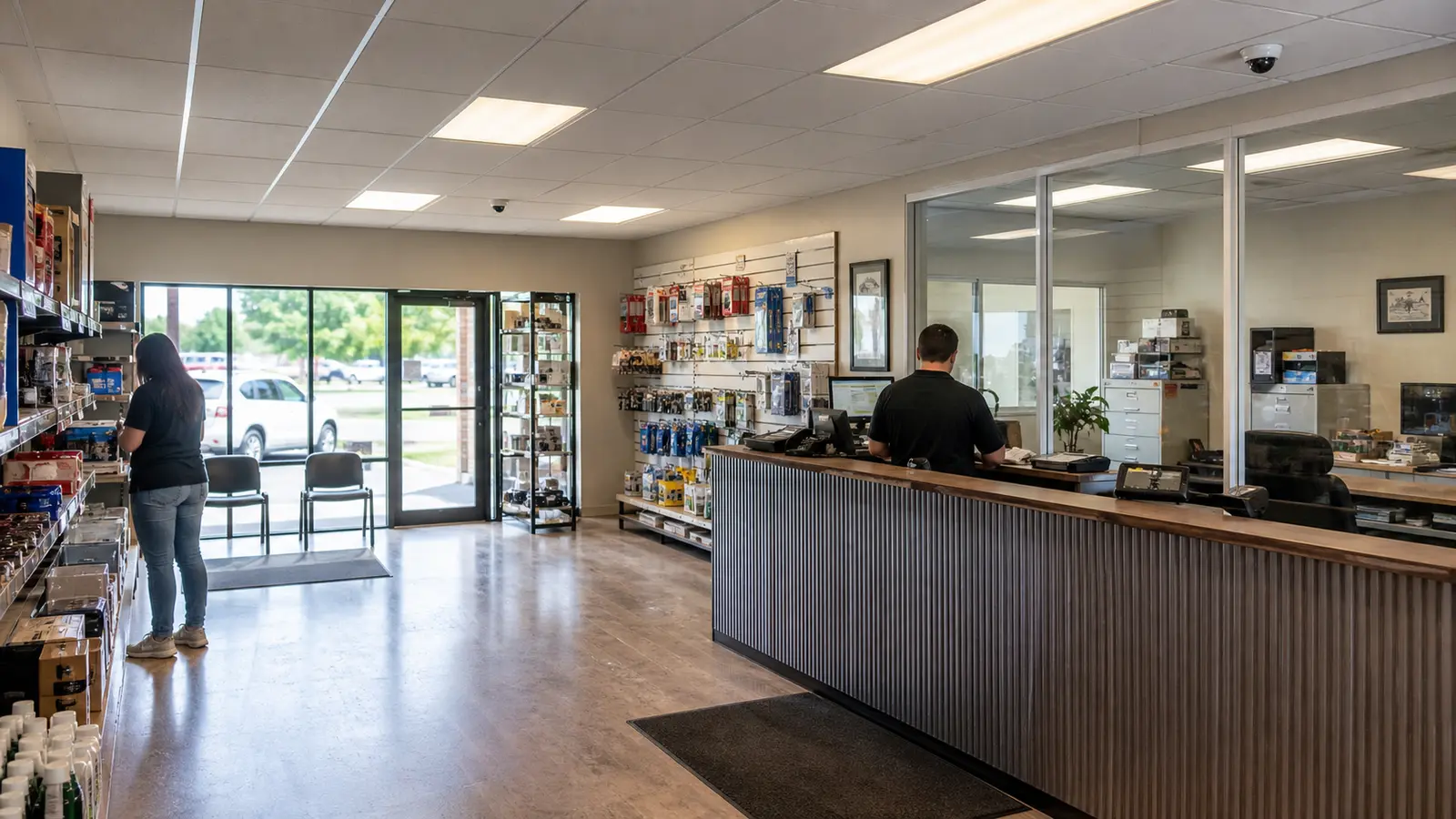
Protect entrances, customer areas, staff spaces, stock rooms and shared office circulation.
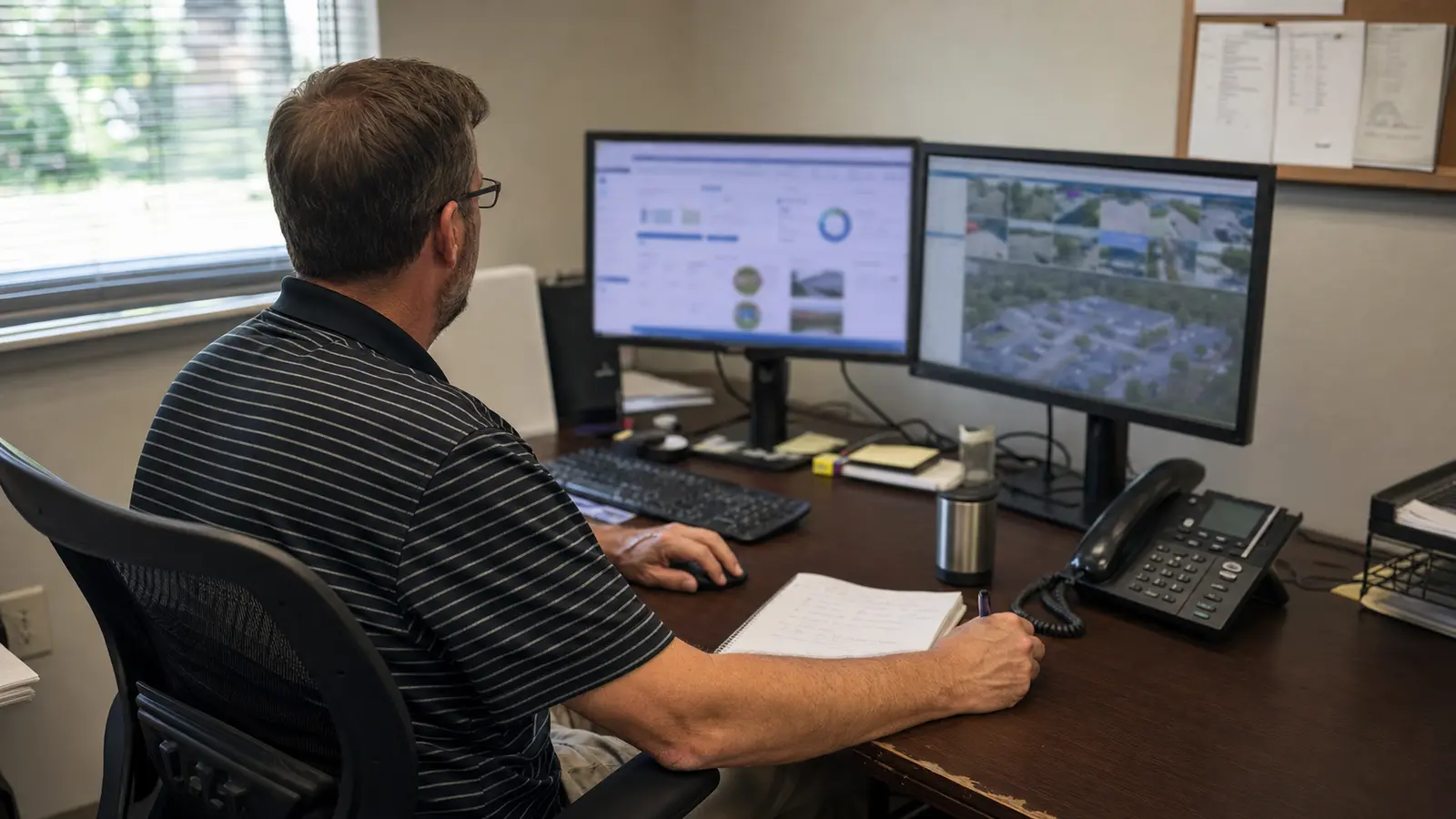
Standardize cameras, access, remote review and documentation across managed properties and portfolios.
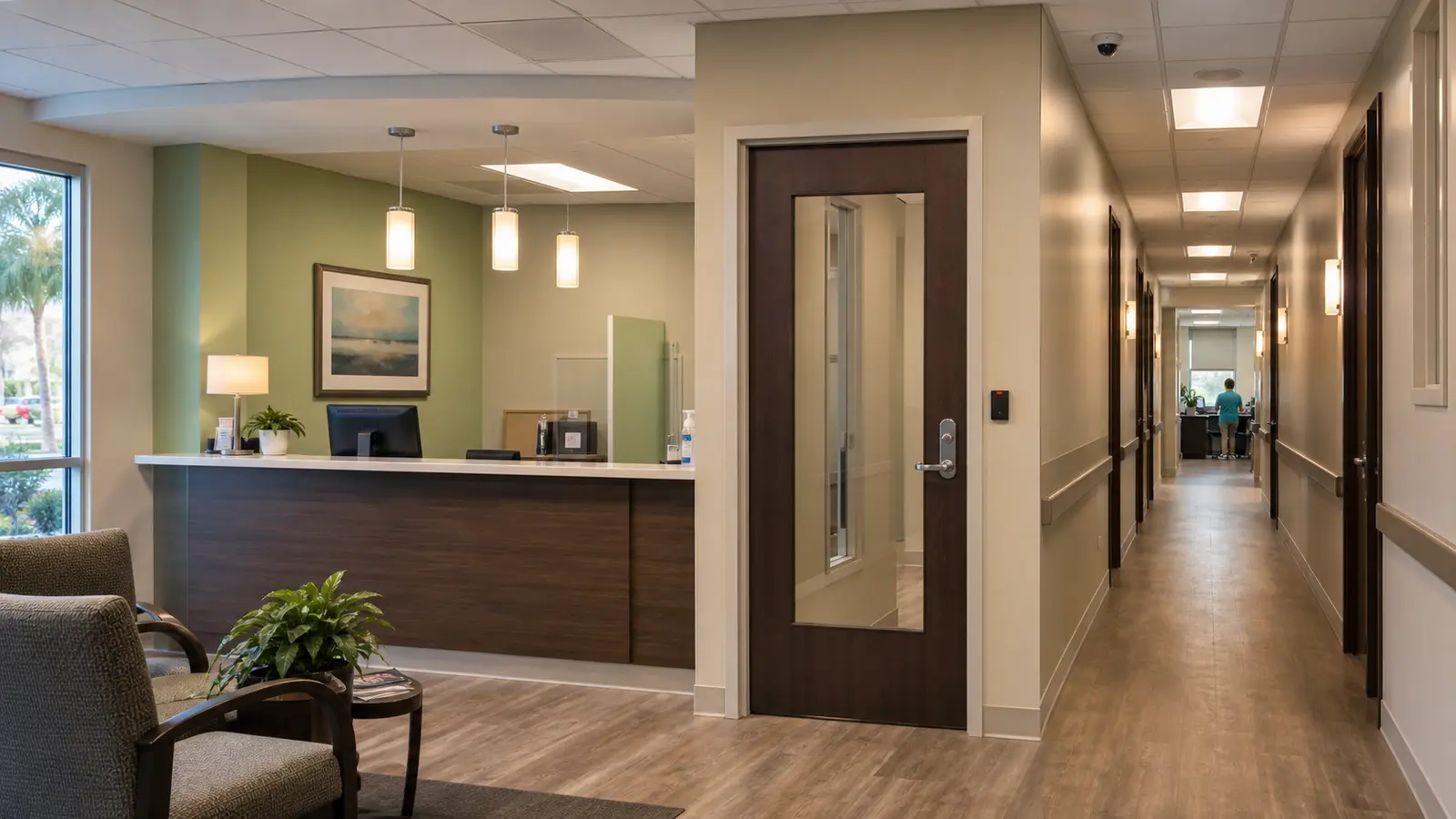
Coordinate discreet camera, entry and infrastructure planning for healthcare and professional offices.
Data Pro Communications reviews entrances, operating zones, existing wiring, network locations, user roles and the property conditions that affect device placement.
The team defines camera views, access points, cabling routes, recorder requirements, remote access needs and supporting low-voltage infrastructure.
Cameras, access devices, cabling, network components and NVR settings are installed and configured for the approved scope.
The finished system is tested with the client, documented with device locations and access details, and prepared for ongoing service or support.

Data Pro Communications supports hotels, restaurants, event venues, conference spaces, visitor-facing properties, staff-only areas, parking approaches, service corridors and back-of-house hospitality operations.
Hospitality systems must account for guest experience, shift changes, vendor access, service corridors, kitchens, storage, event movement and back-of-house areas in addition to public entrances.
Yes. Camera placement can focus on useful public and operational views while keeping device locations discreet, professional and appropriate for the property layout.
Yes. Restaurant projects can include entrances, dining areas, service doors, kitchens, storage rooms, office areas and exterior approaches when views and permissions are planned carefully.
Yes. Access control can manage staff doors, offices, storage rooms, service corridors and other operational areas where credentials and schedules matter.
No. Cameras, access control and related systems support visibility and operational review, but they do not guarantee guest safety, employee safety, crime reduction or incident prevention.
A venue system can be planned around guest arrival, vendor load-in, reception areas, ticketing or check-in points, back-of-house rooms and manager review needs across event types.
The project should review guest and staff pathways, finished surfaces, ceiling access, network closets, low-voltage pathways, exterior views, user permissions and after-hours operations.
Remote review can be configured when the recorder, network, permissions and internet connection support secure access for authorized users.
Yes. Intercom and entry systems can support controlled doors, service entries, offices, vendor access and other hospitality workflows.
Yes. Existing cameras, cabling, recorder settings, remote access and network equipment can be reviewed to decide what can remain and what should be corrected or replaced.
Parking-area planning should consider lighting, camera mounting height, approach views, cabling paths, building entrances and the realistic detail needed for review.
Multi-location operators can use consistent naming, user permissions, camera standards, documentation and remote viewing practices across properties.
The next step is to request a site survey so Data Pro Communications can review guest areas, staff-only spaces, cabling conditions, network equipment and operating goals.
Request a site survey with Data Pro Communications to review camera coverage, access control, cabling, network readiness, remote viewing and support needs for your commercial property.