SECURITY CAMERA PLANNING

Security Camera Planning for HOAs and Condominium Communities in Polk County

Plan cameras for Polk County HOA and condo common areas, governance, resident expectations, access workflows and long-term serviceability.

The strongest projects define where cameras are useful, who may review footage, how cabling and network equipment will be maintained, and how the association will document decisions before installation begins.

Commercial-first planningAssociations, businesses, managed properties, multifamily sites, construction partners and professional low-voltage projects.
Infrastructure-aware guidanceCamera planning is connected to cabling, PoE, recording, network readiness, access control and handoff documentation.
Lakeland branch contextLakeland site identity, contact information and Florida license.

Start With Common-Area Goals

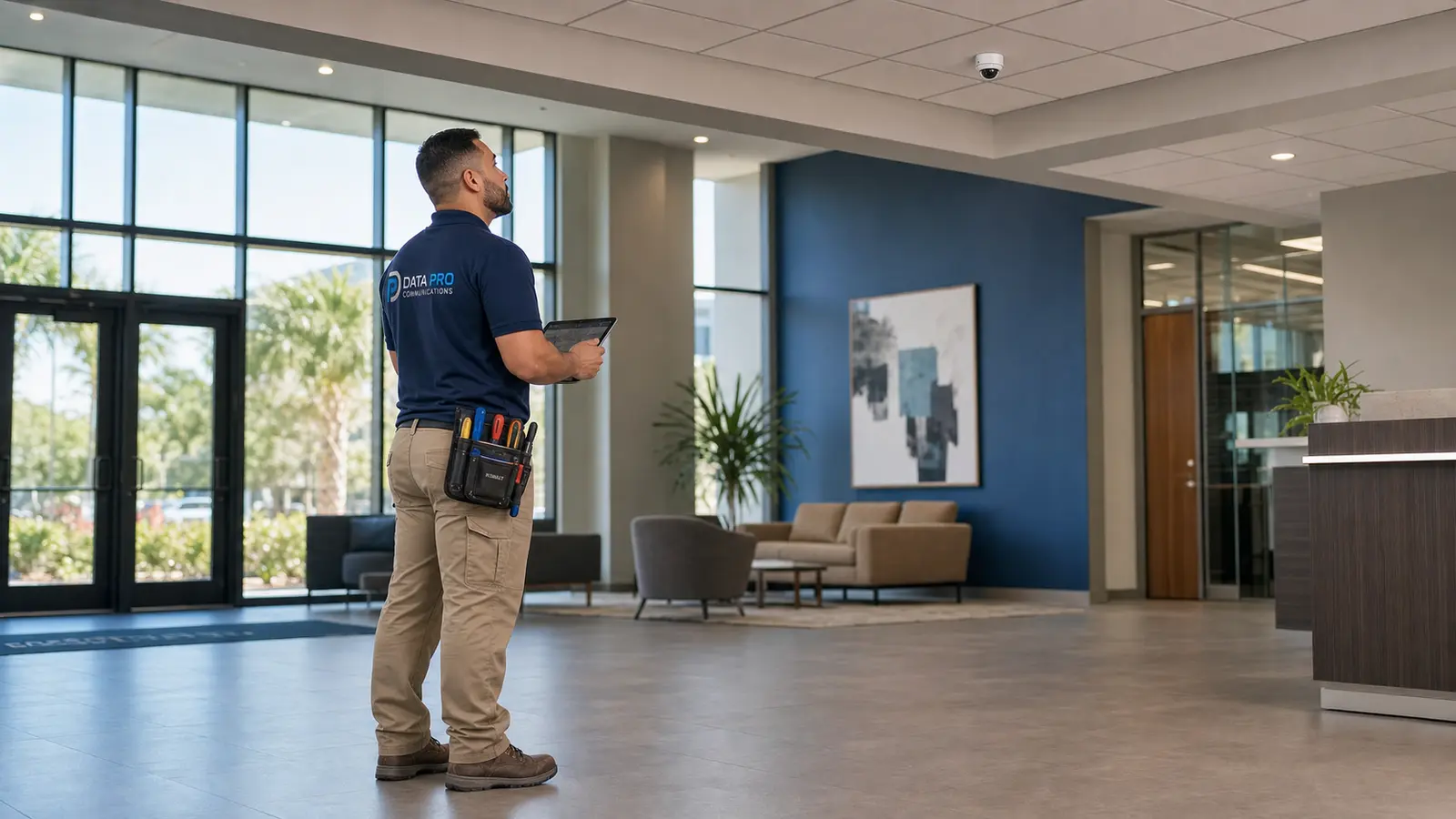
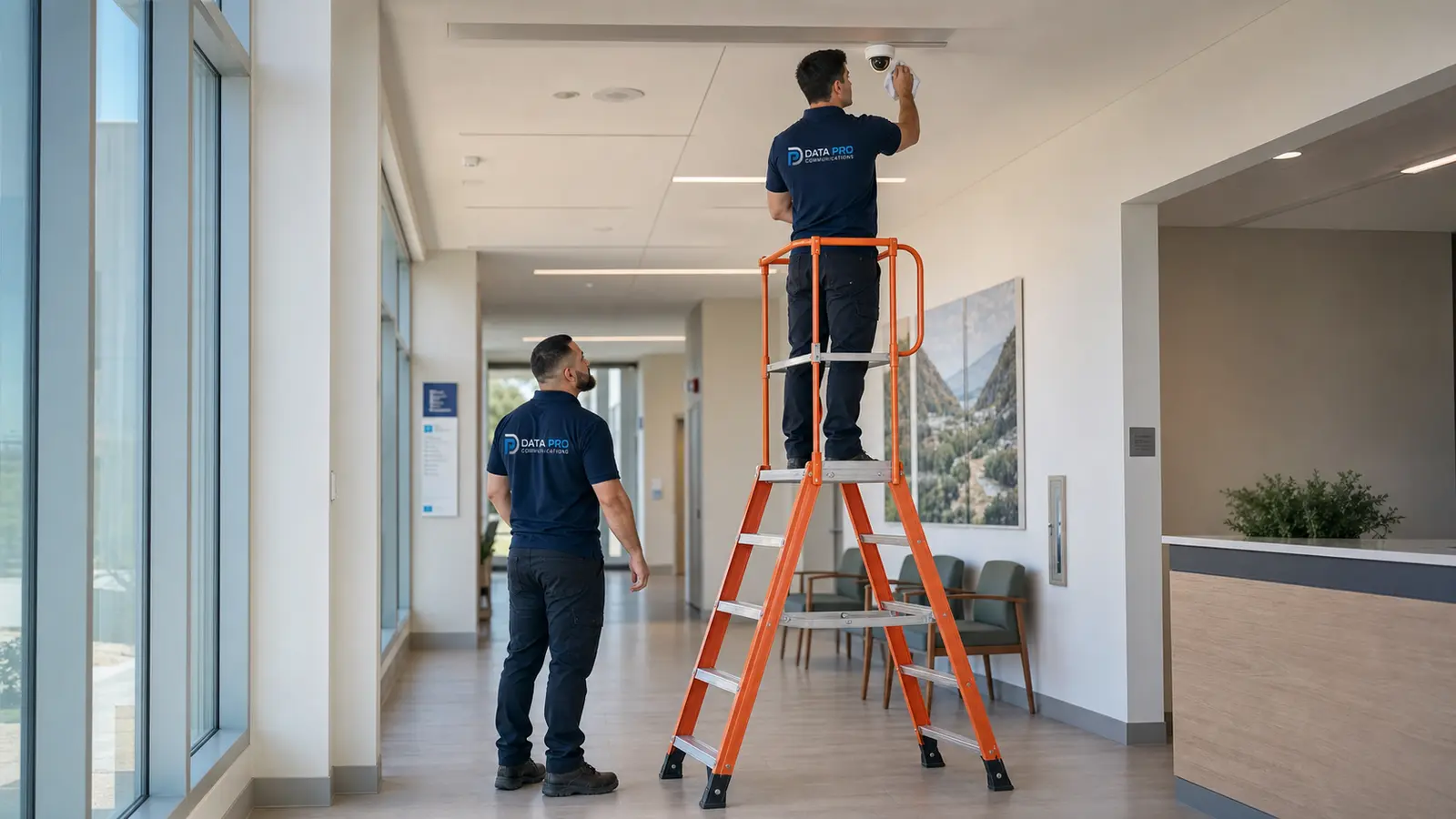
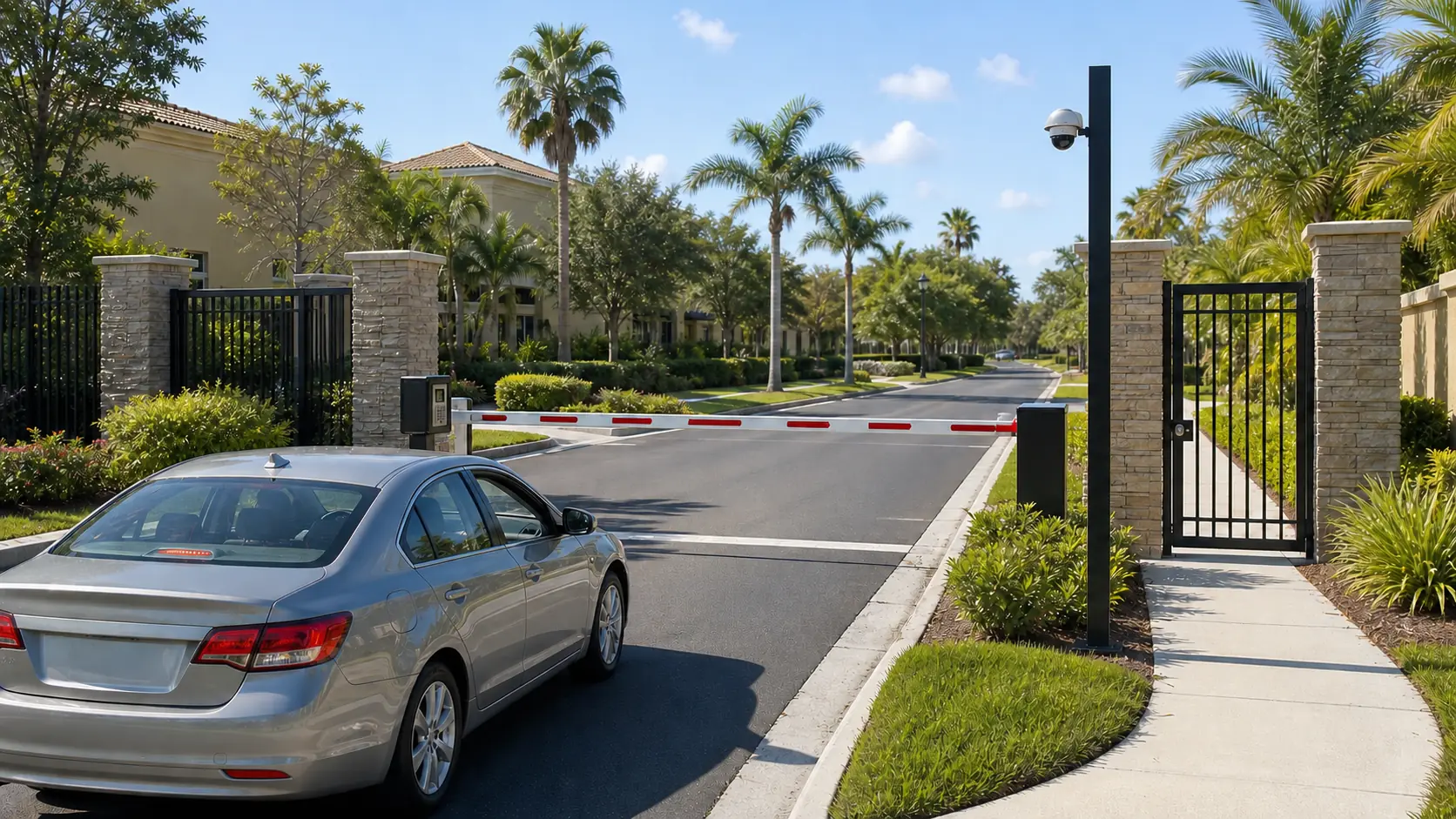
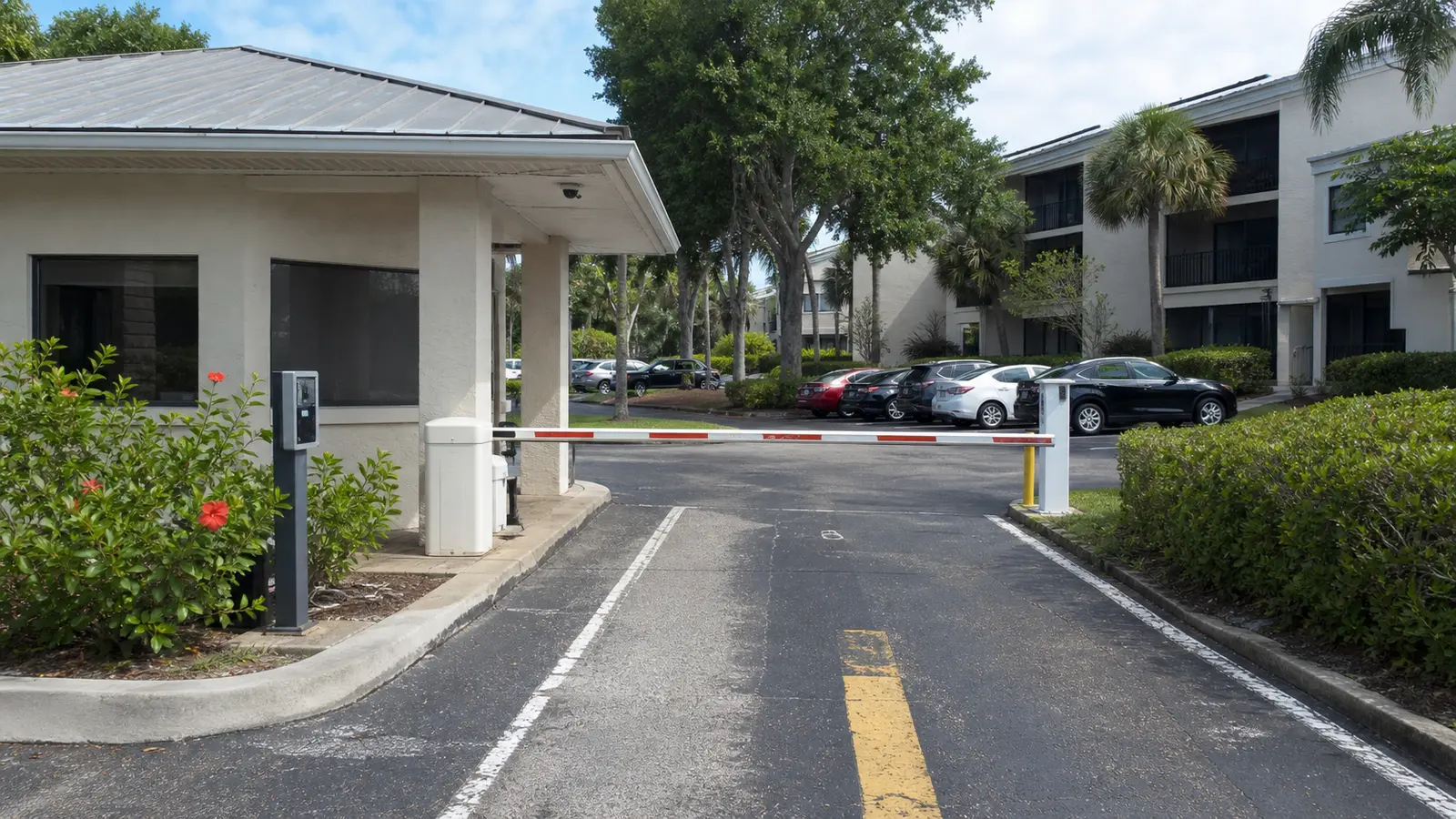
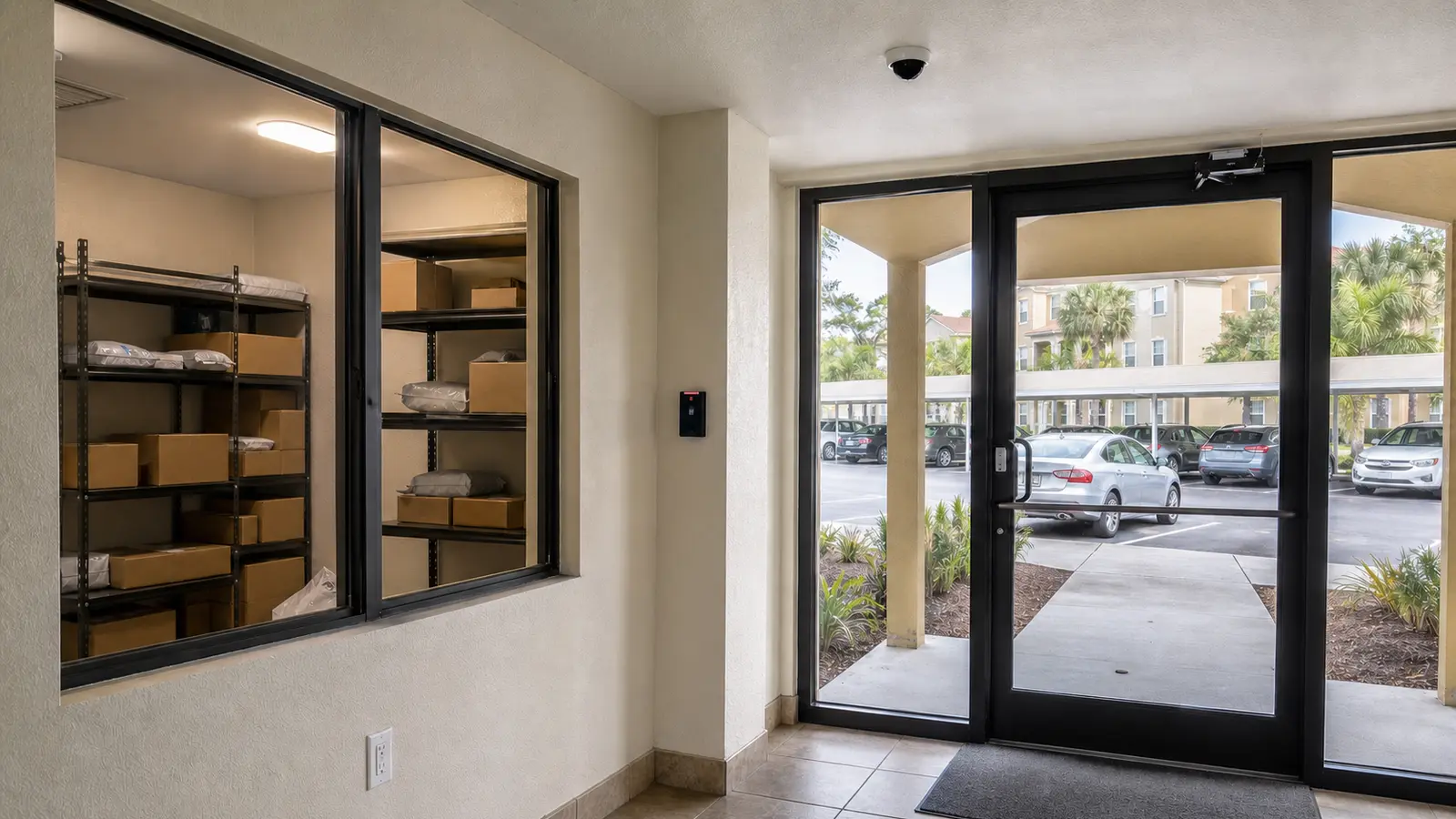
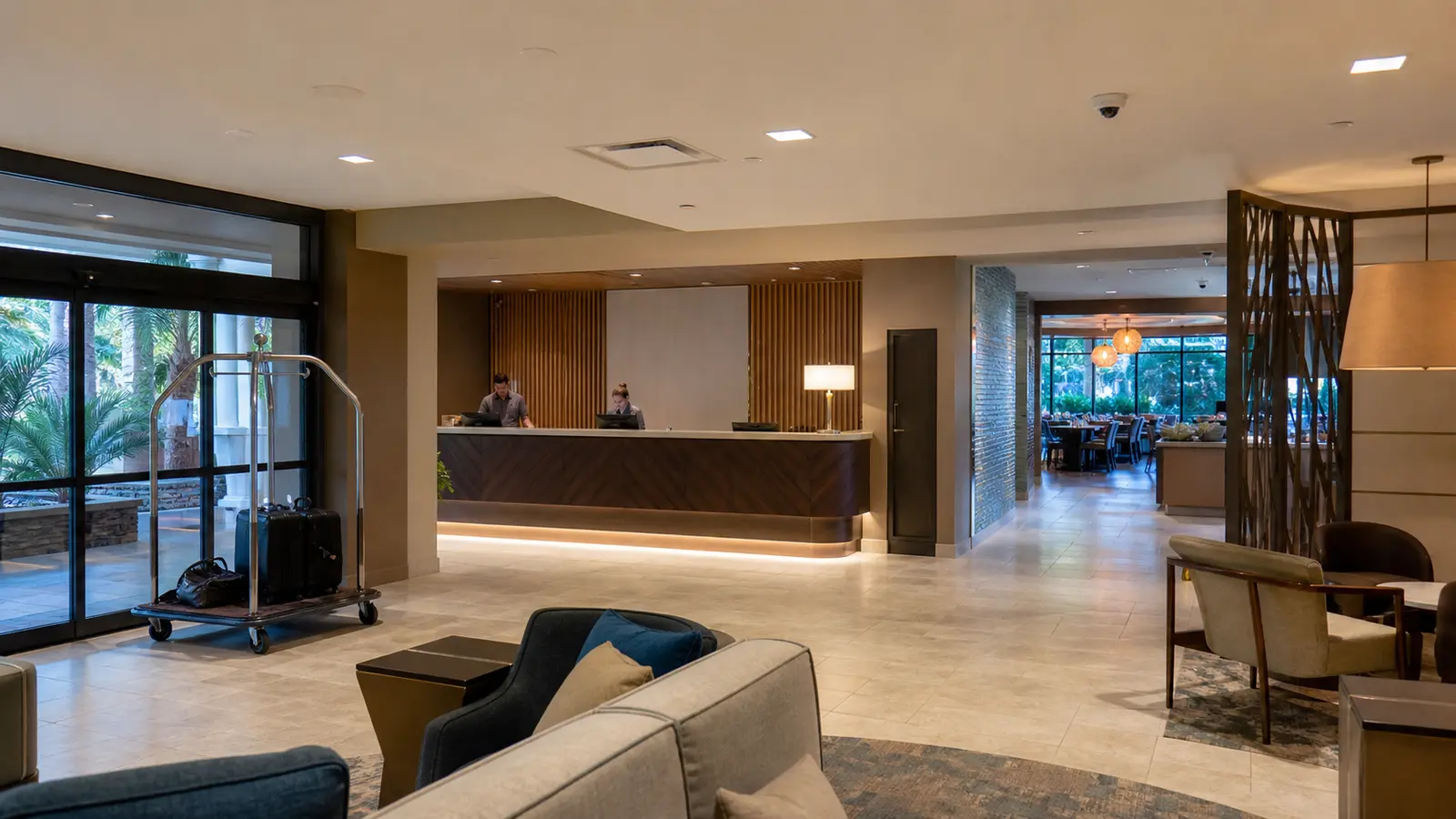
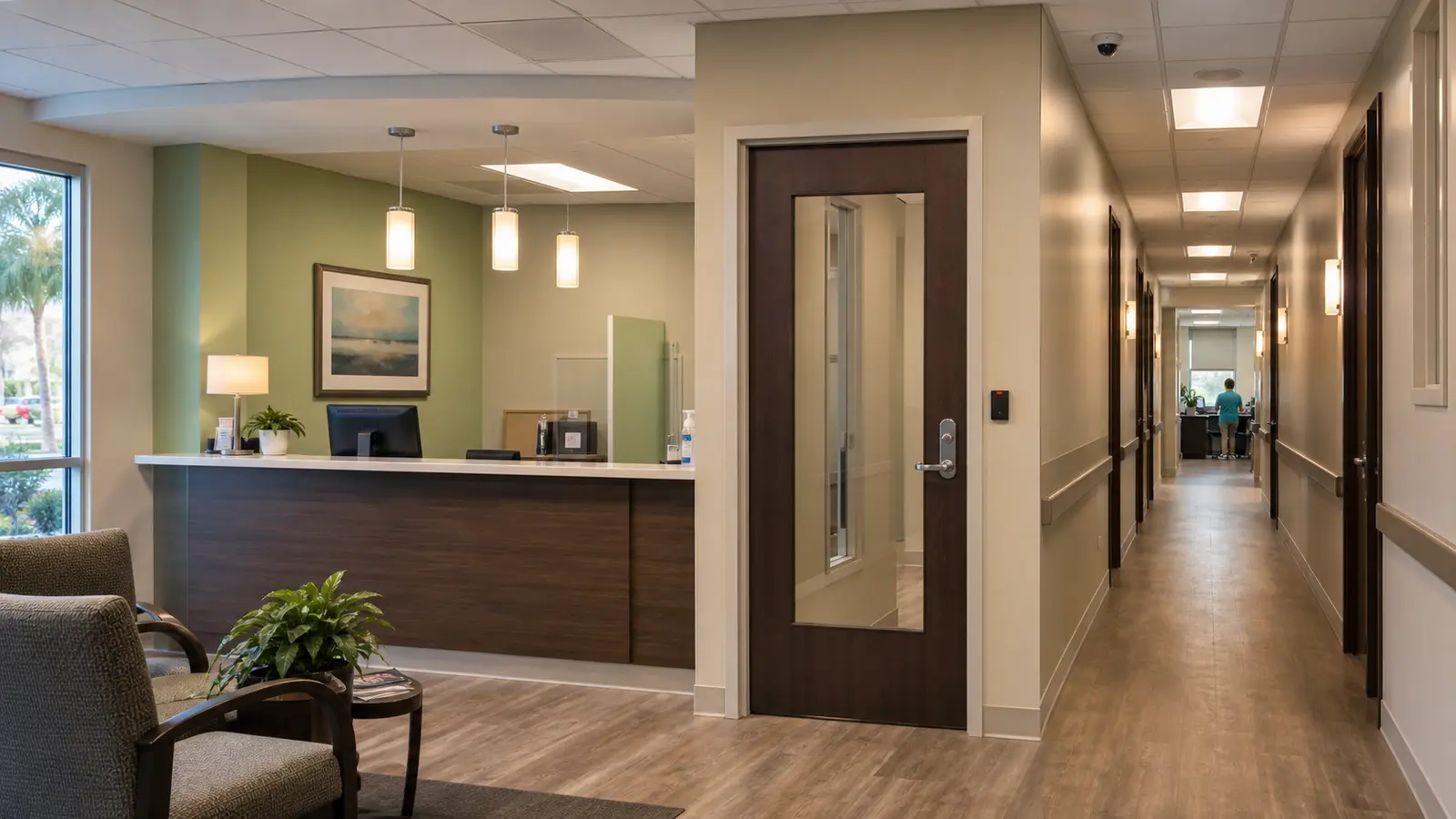
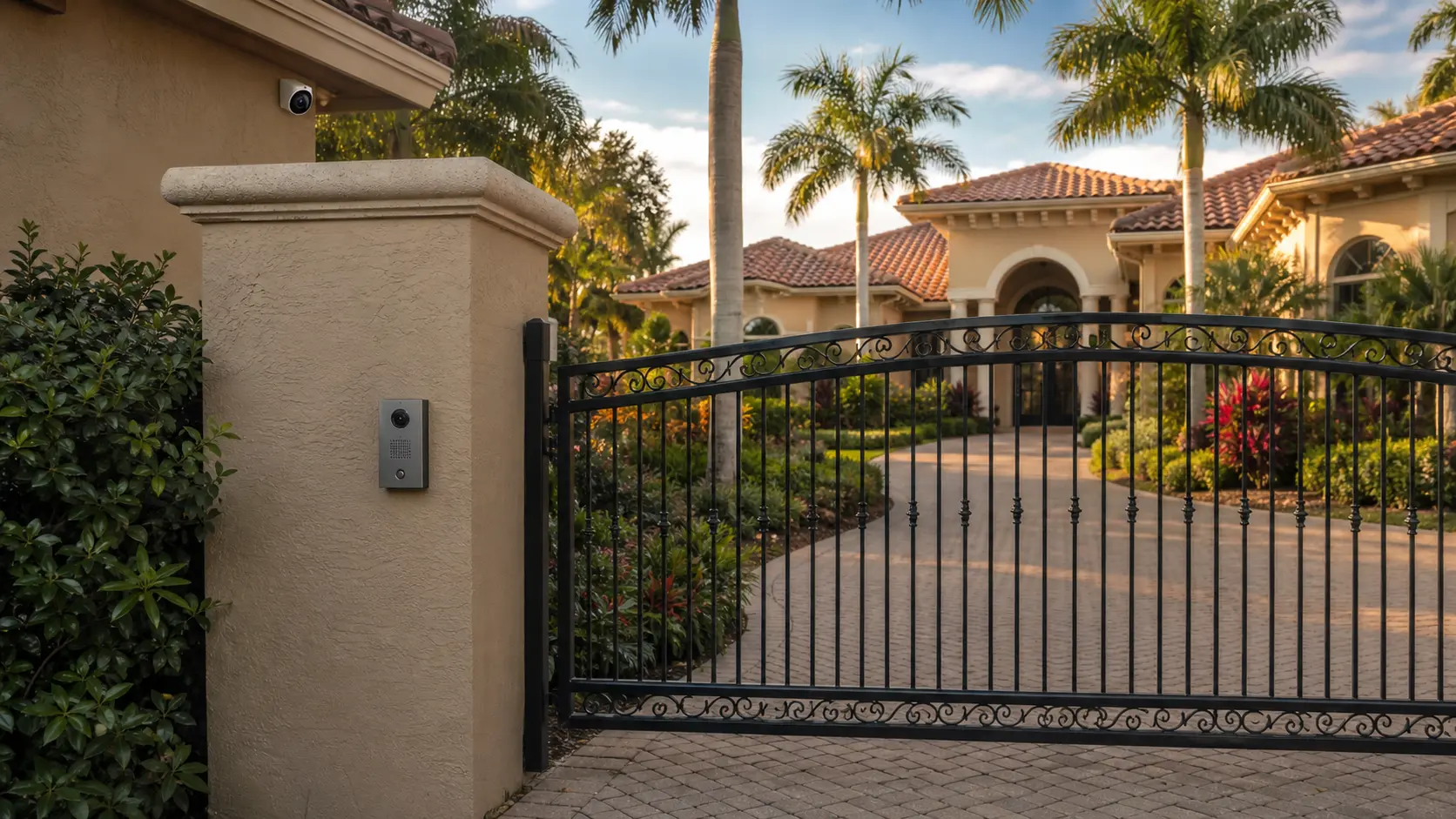
Most association projects focus on entrances, gates, clubhouses, amenity areas, pool access points, mail and package areas, parking, maintenance buildings, and shared walkways.

Camera views should support the association's operational goals without creating unrealistic promises about incident prevention or resident monitoring.

A written coverage plan helps boards and managers separate priority views from optional views before budgets, proposals, and owner communications are prepared.

Governance, Privacy and Access Questions

Associations should review governing documents, board authority, owner communication expectations, privacy-sensitive areas, and footage access procedures with their own advisors before final approval.

Public-facing camera plans should avoid restrooms, changing areas, unit interiors, private balconies, and other areas where residents or guests may reasonably expect privacy.

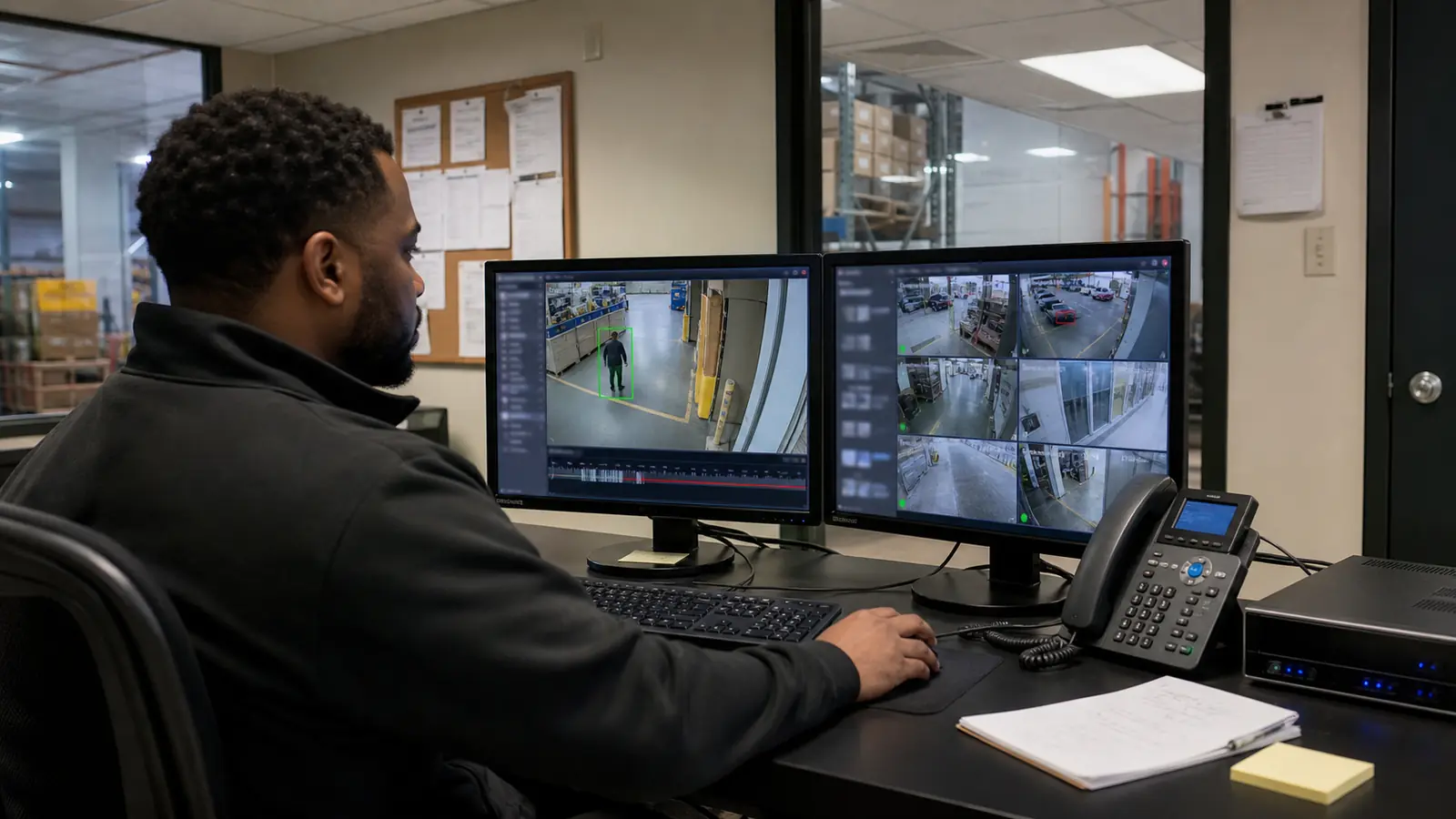
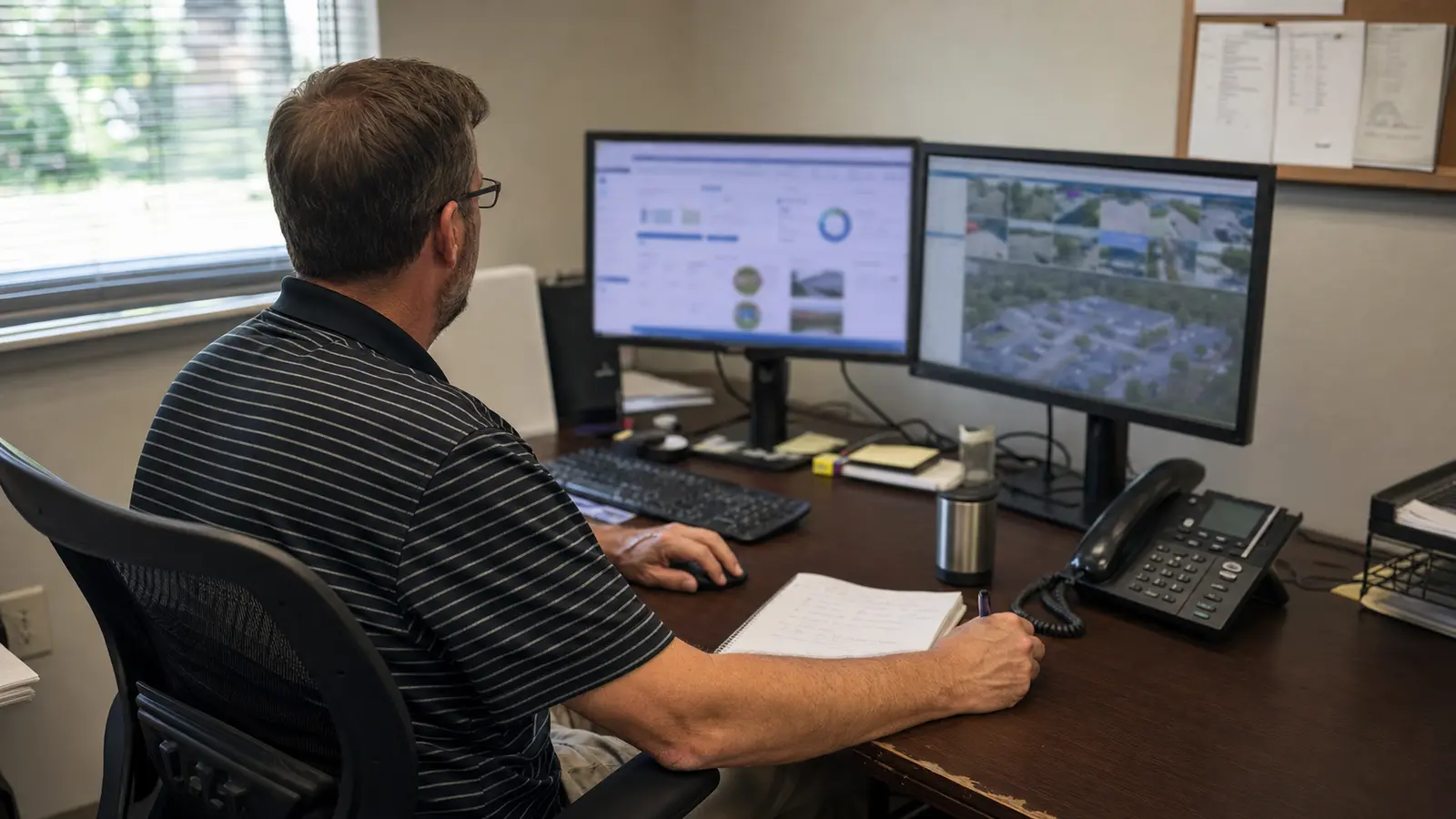
User permissions should be limited to approved roles, with camera names and retention settings documented for future boards and managers.

Low-Voltage Design for Community Properties

Gates, amenity centers, parking areas, and remote maintenance spaces often require more infrastructure planning than a small office camera project.

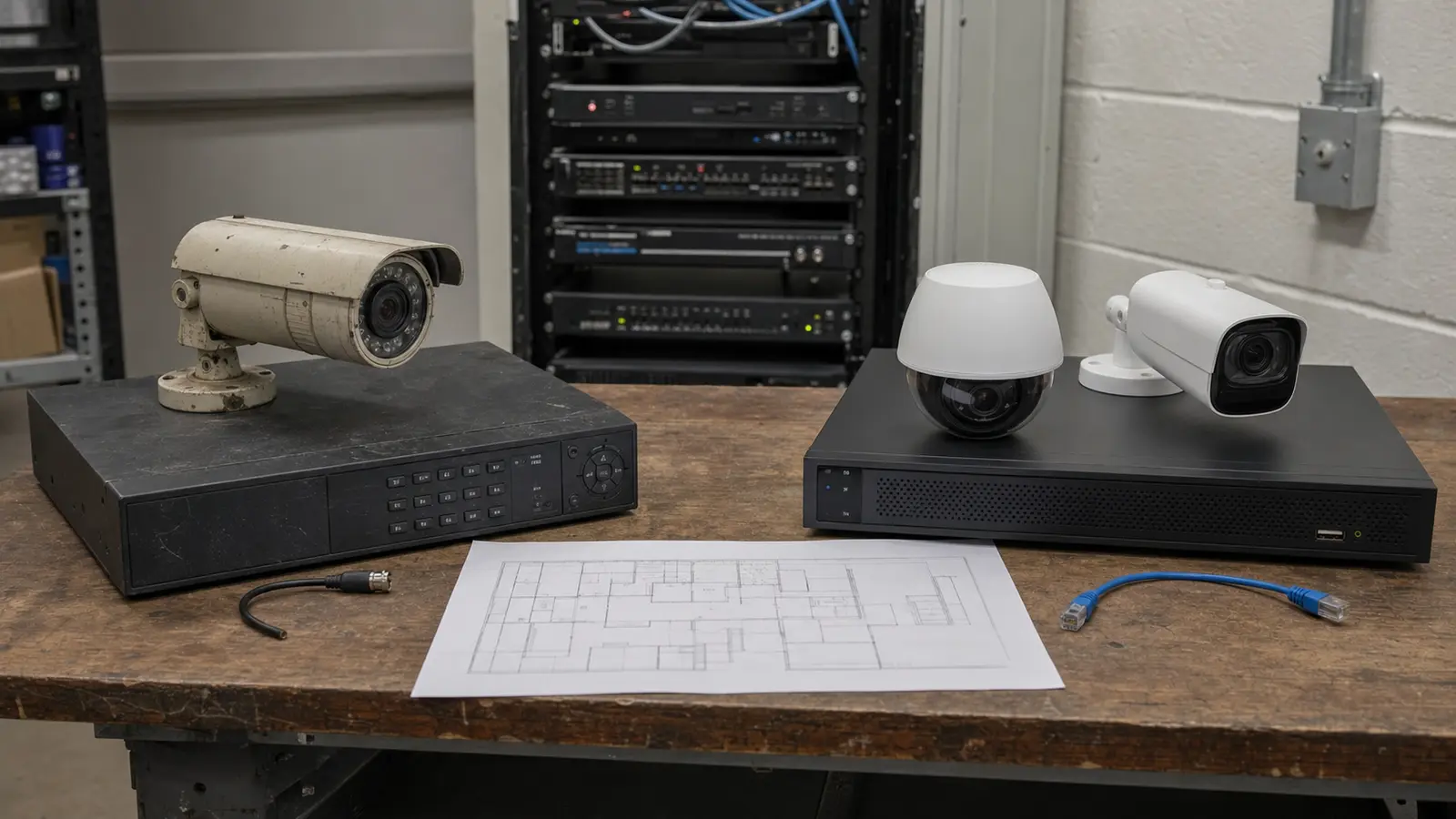
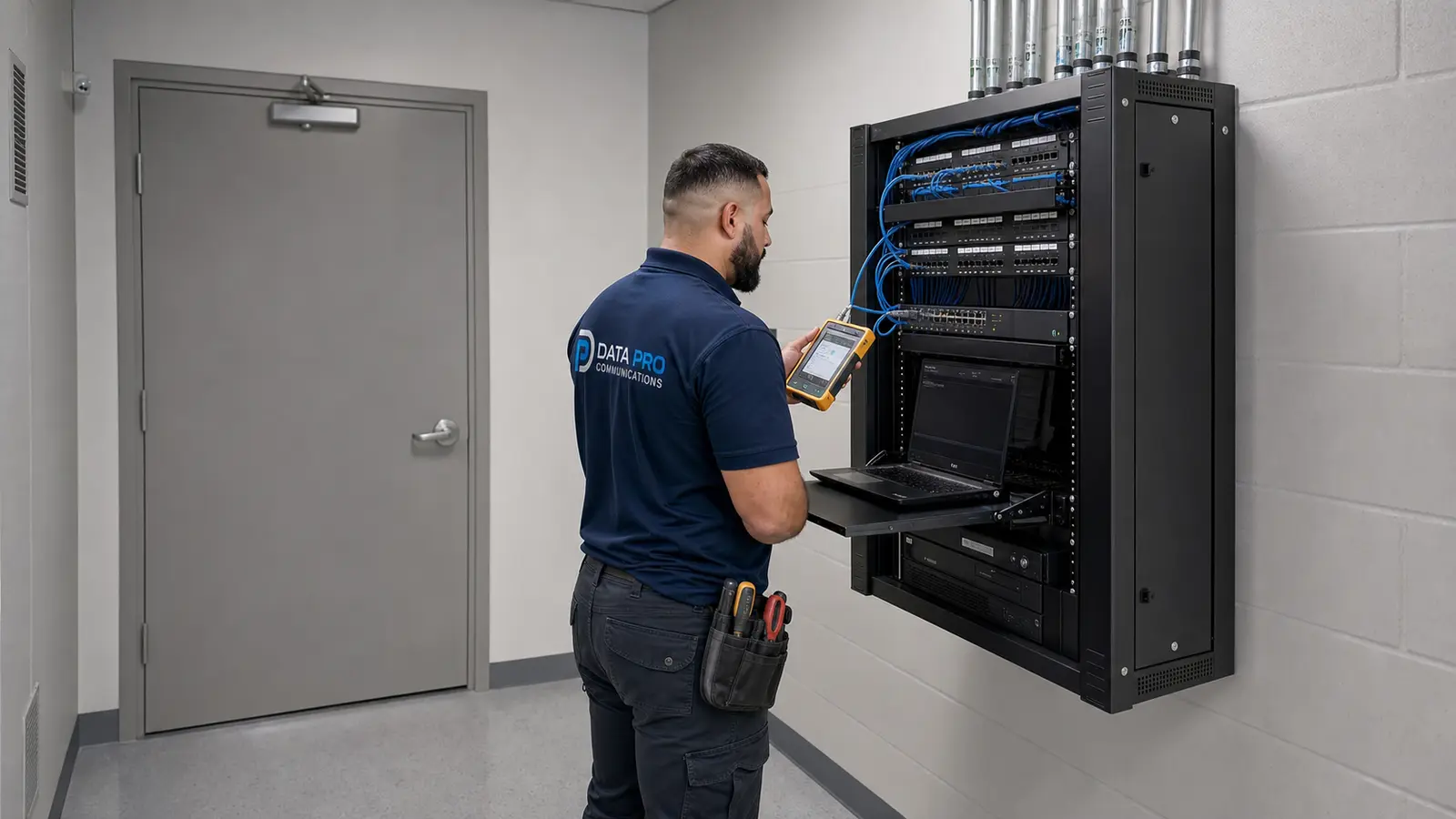
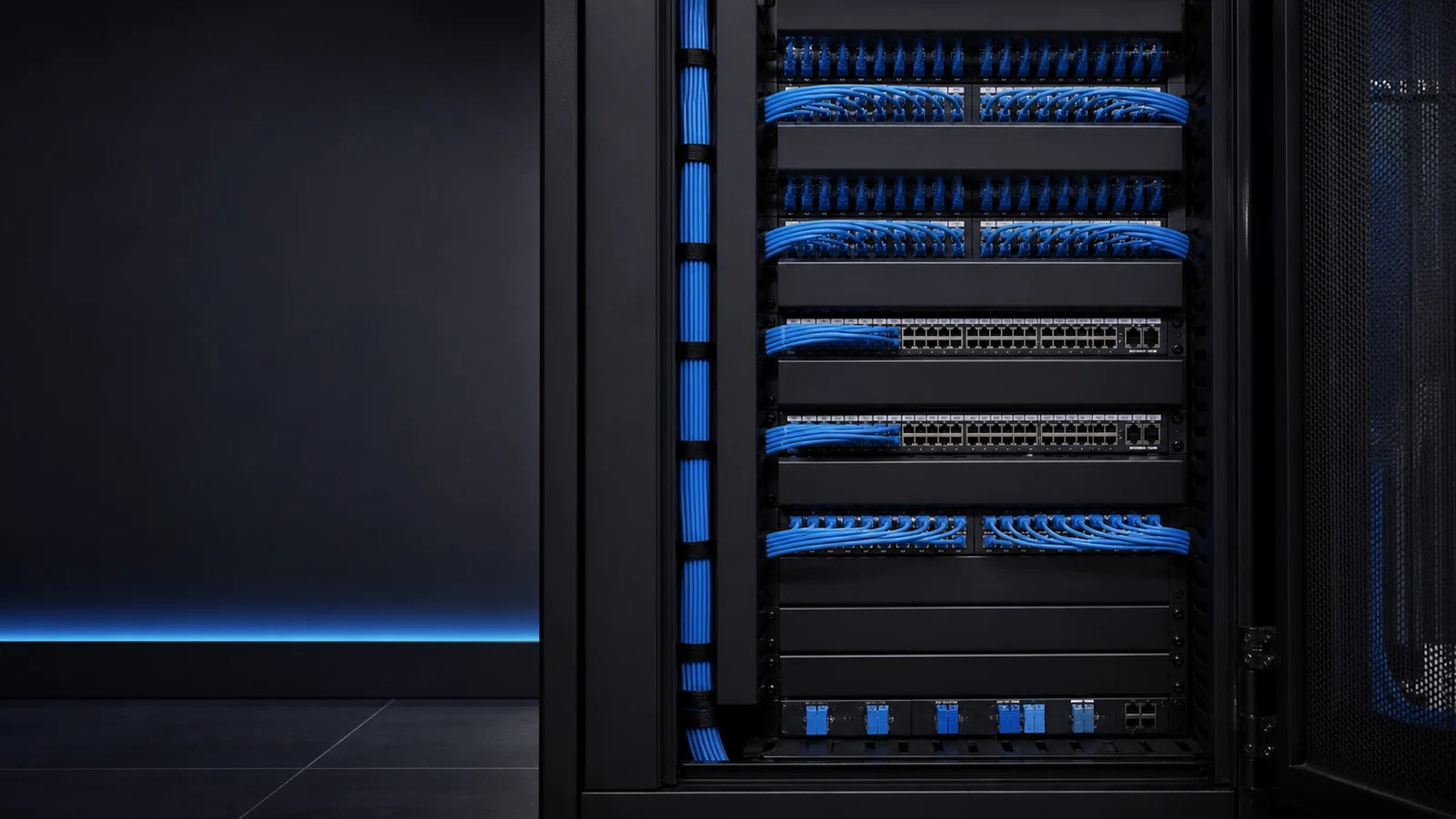
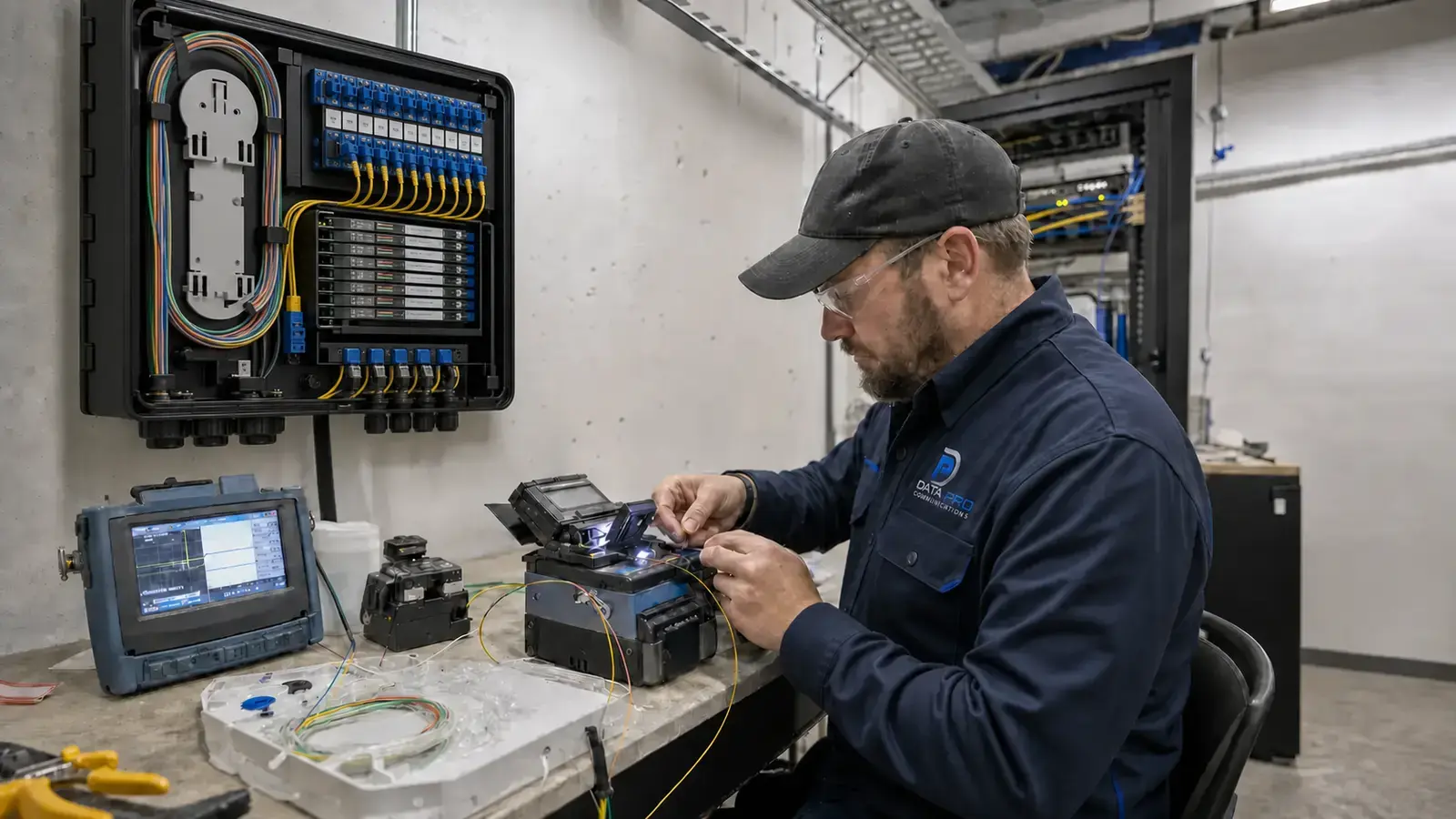
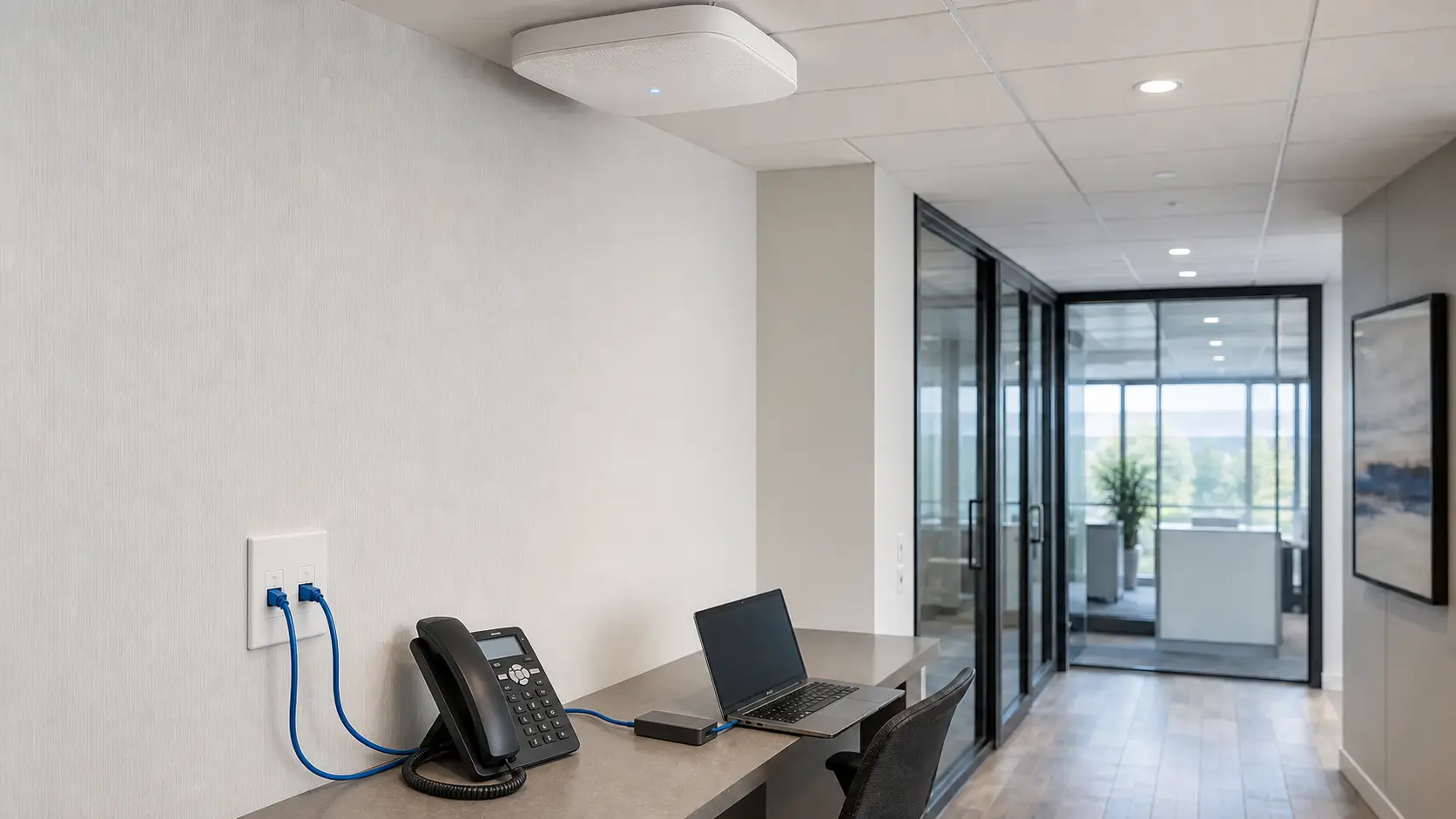
Structured cabling, conduit routes, PoE switch capacity, equipment-room space, surge protection, network segmentation, and service access should be reviewed before cameras are installed.

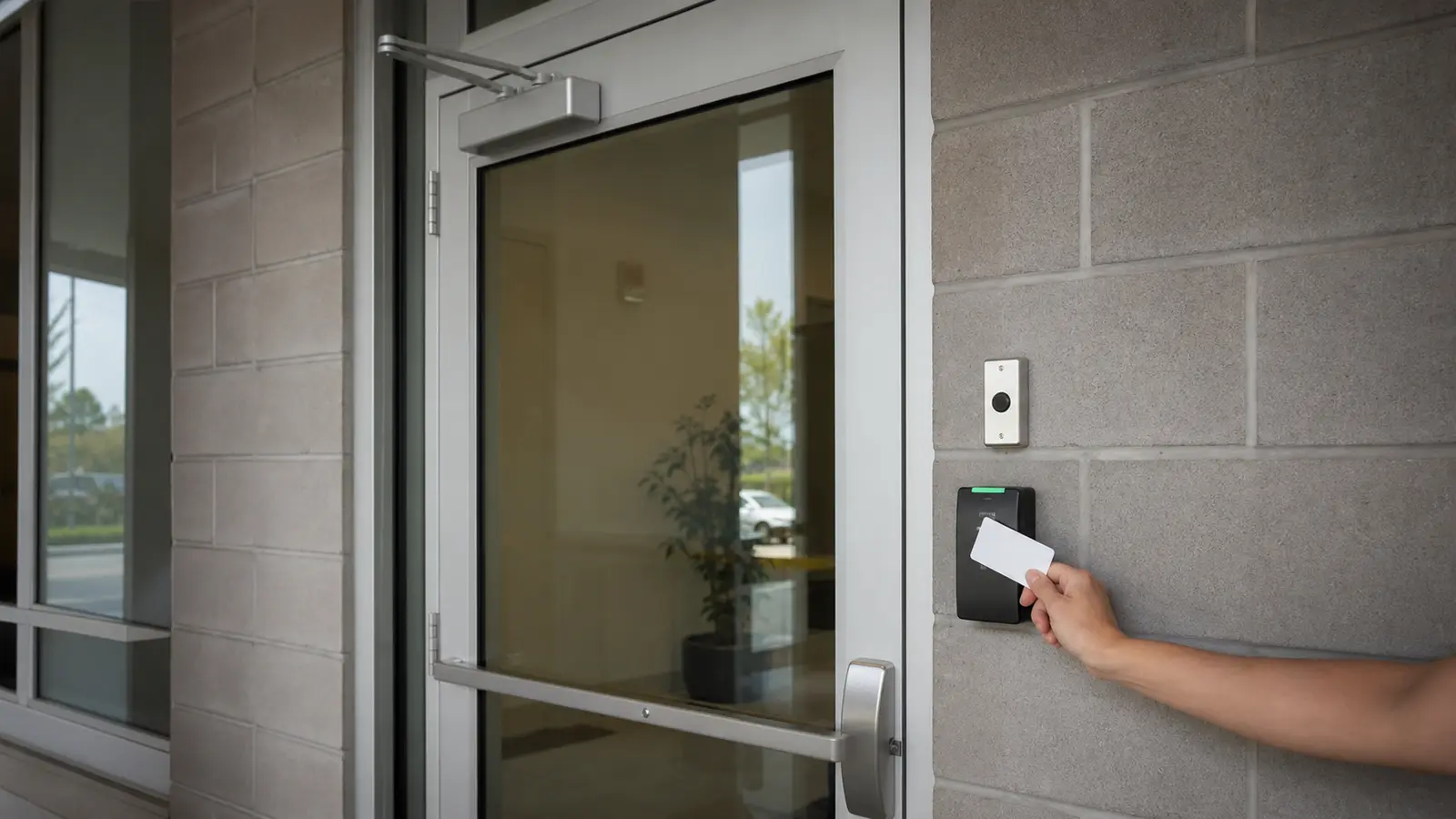
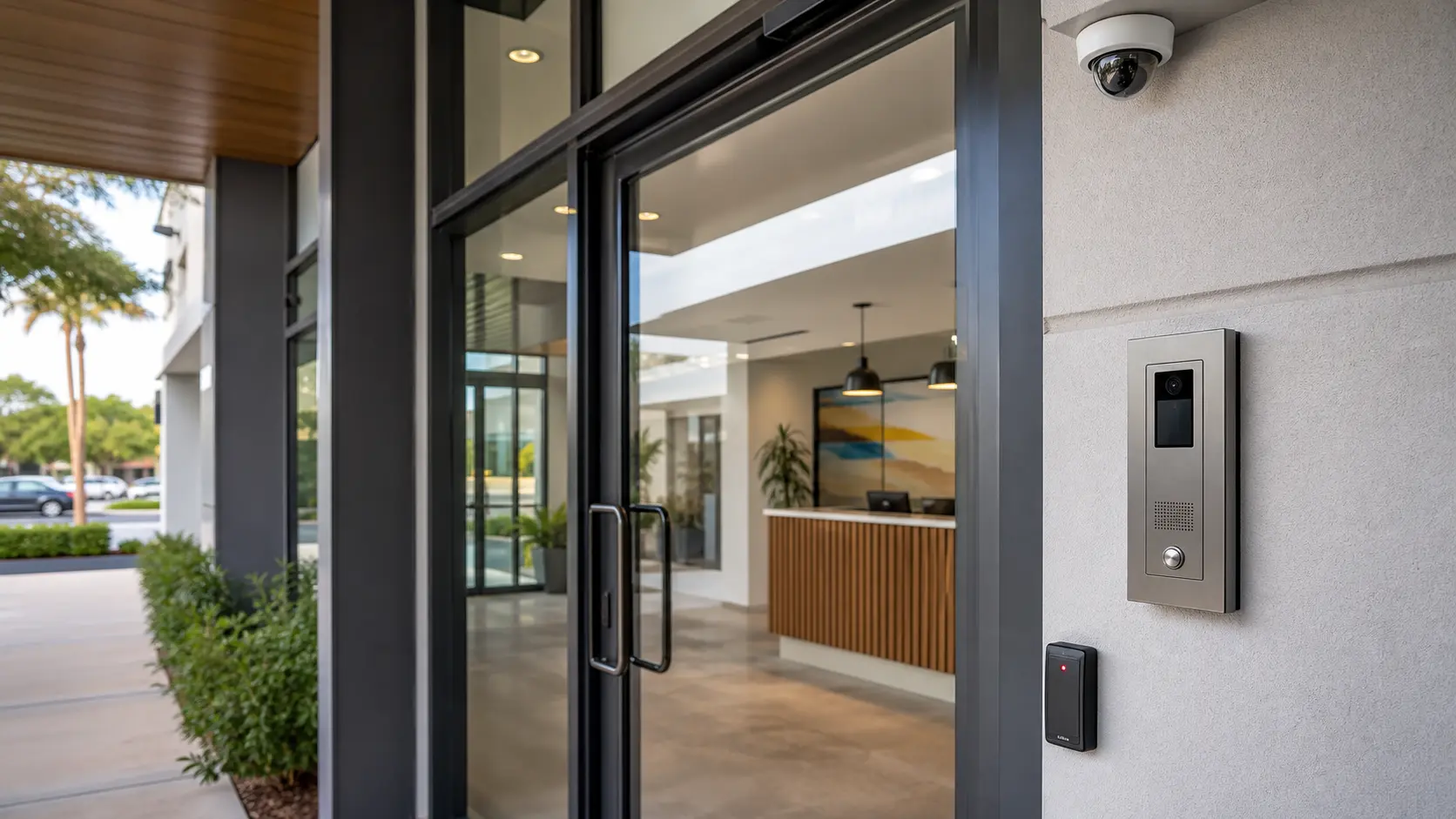
When access control, intercoms, gates, or package areas are part of the property workflow, camera placement should be coordinated with those systems.

Polk County Operating Context

Polk County communities may include large entrances, dispersed amenity areas, lake-adjacent properties, golf-cart traffic, visitor parking, vendor access, and maintenance routes that require practical camera placement.

A phased plan can help an association cover high-value areas first while leaving pathways, switch capacity, and recording storage ready for future additions.
HOA and Condominium Camera Planning Process

1

Define the operating goal

Clarify the property type, priority areas, user roles, response expectations and infrastructure constraints.

2

Review the site and pathways

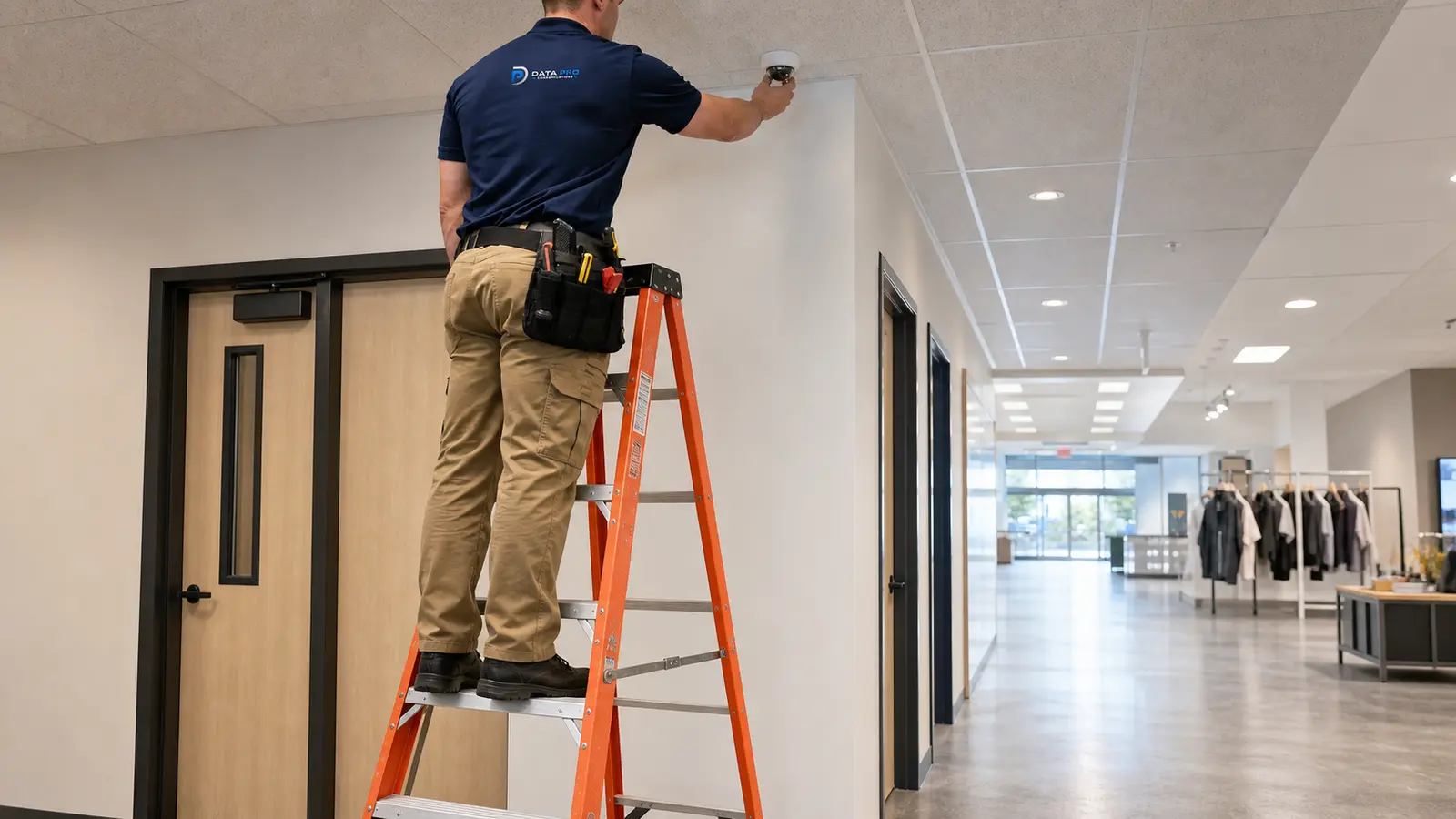
Evaluate camera views, cable routes, PoE capacity, network equipment, recording location and access-control relationships.

3

Build the implementation plan

Match camera types, cabling, switching, storage, permissions and handoff documentation to the property.

4

Test and document the system

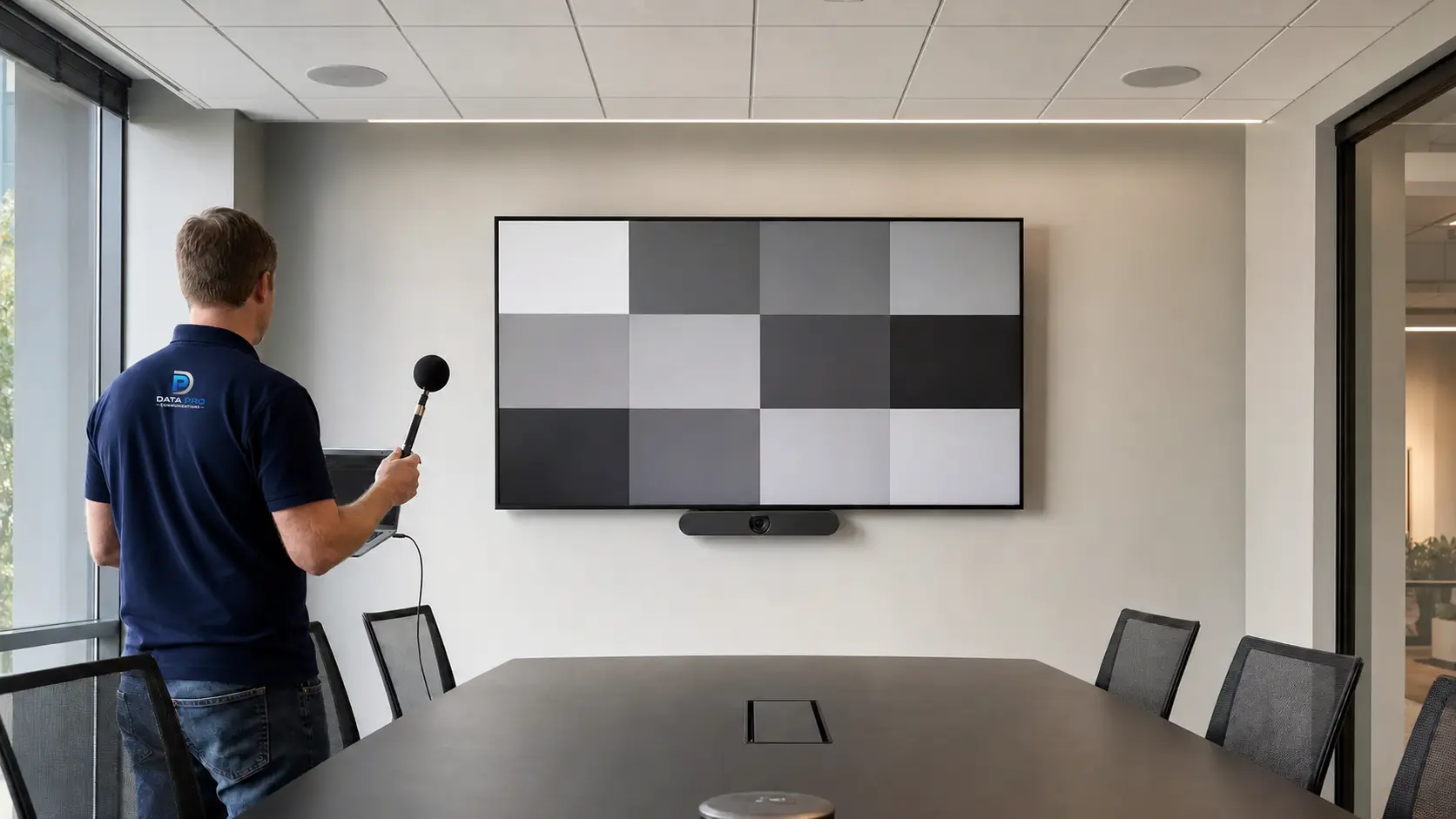
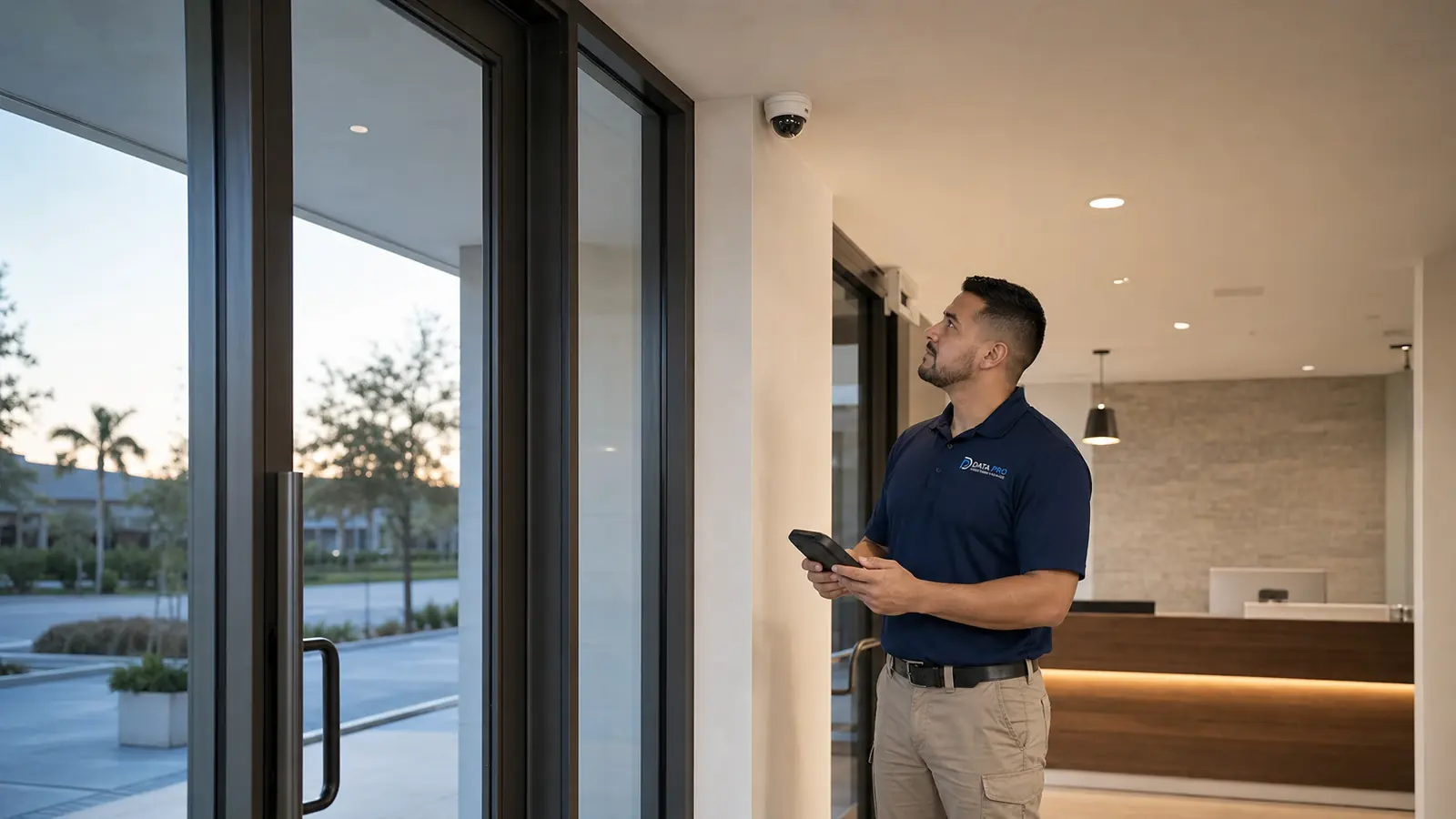
Confirm views, playback, remote access, retention assumptions, labels, user permissions and service notes.

Choose the Right Lakeland Solution

HOA and Condominium Camera Planning FAQs

What areas should an HOA or condominium association consider first?

Common starting points include gates, entrances, clubhouses, amenity areas, pool access points, mail and package rooms, parking, maintenance spaces, and shared pedestrian routes.

Should an association approve cameras before getting an installation proposal?

Boards and managers should define goals, authority, privacy boundaries, access procedures, and budget expectations before requesting final installation pricing.

Can cameras be aimed at private units or balconies?

Camera plans should avoid private interiors, private balconies, restrooms, changing areas, and other privacy-sensitive locations. Associations should review governing documents and legal questions with their own advisors.

Who should be able to view HOA or condo camera footage?

Access should be limited to approved roles such as designated managers, board representatives, or authorized security personnel according to the association's policy.

How long should association camera footage be retained?

Retention depends on camera count, resolution, motion settings, storage capacity, incident review needs, and association policy. The retention expectation should be documented before equipment is selected.

Do gates and amenity centers need different camera designs?

Yes. Gates may need vehicle approach and entry views, while amenity centers may need entry, common-area, exterior and after-hours coverage planned around resident privacy.

Can cameras work with gate entry or access control systems?

Yes. Camera views can be coordinated with gates, intercoms, access readers, and controlled doors when those systems are part of the community workflow.

Why does cabling matter for community camera systems?

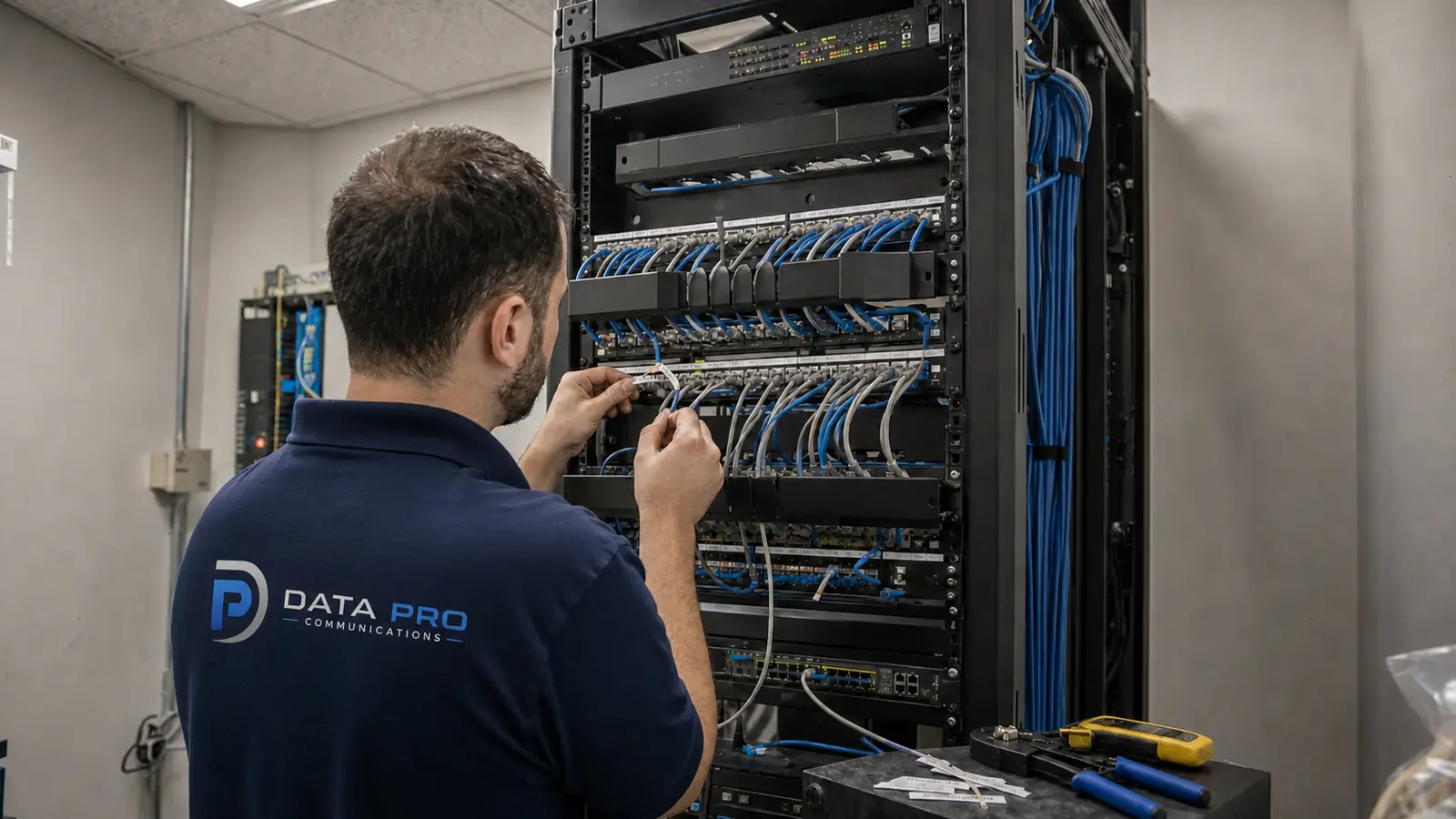
Clean cabling, protected pathways, labeling, rack organization, and PoE planning make the system easier to maintain as boards, managers, vendors, and equipment change.

Can an HOA or condo community install cameras in phases?

Yes. A phased plan can prioritize entrances and common areas first while preserving network and recording capacity for future cameras.

What should be documented after installation?

The handoff should include camera names, locations, coverage notes, access permissions, recorder or VMS information, cabling notes, and service recommendations.

Does Data Pro Communications provide legal advice for associations?

No. Data Pro Communications can support technical planning and installation, while associations should use their own legal or management advisors for governance and policy decisions.

How can a Polk County association start planning?

The association can request a site review to identify priority areas, infrastructure needs, access-control connections, retention goals, and a practical installation sequence.

Request an HOA or Condominium Camera Site Review

Lakeland Cameras Installation by Data Pro Communications provides security camera planning, installation, structured cabling coordination, recording setup and low-voltage support for Lakeland and Polk County properties.