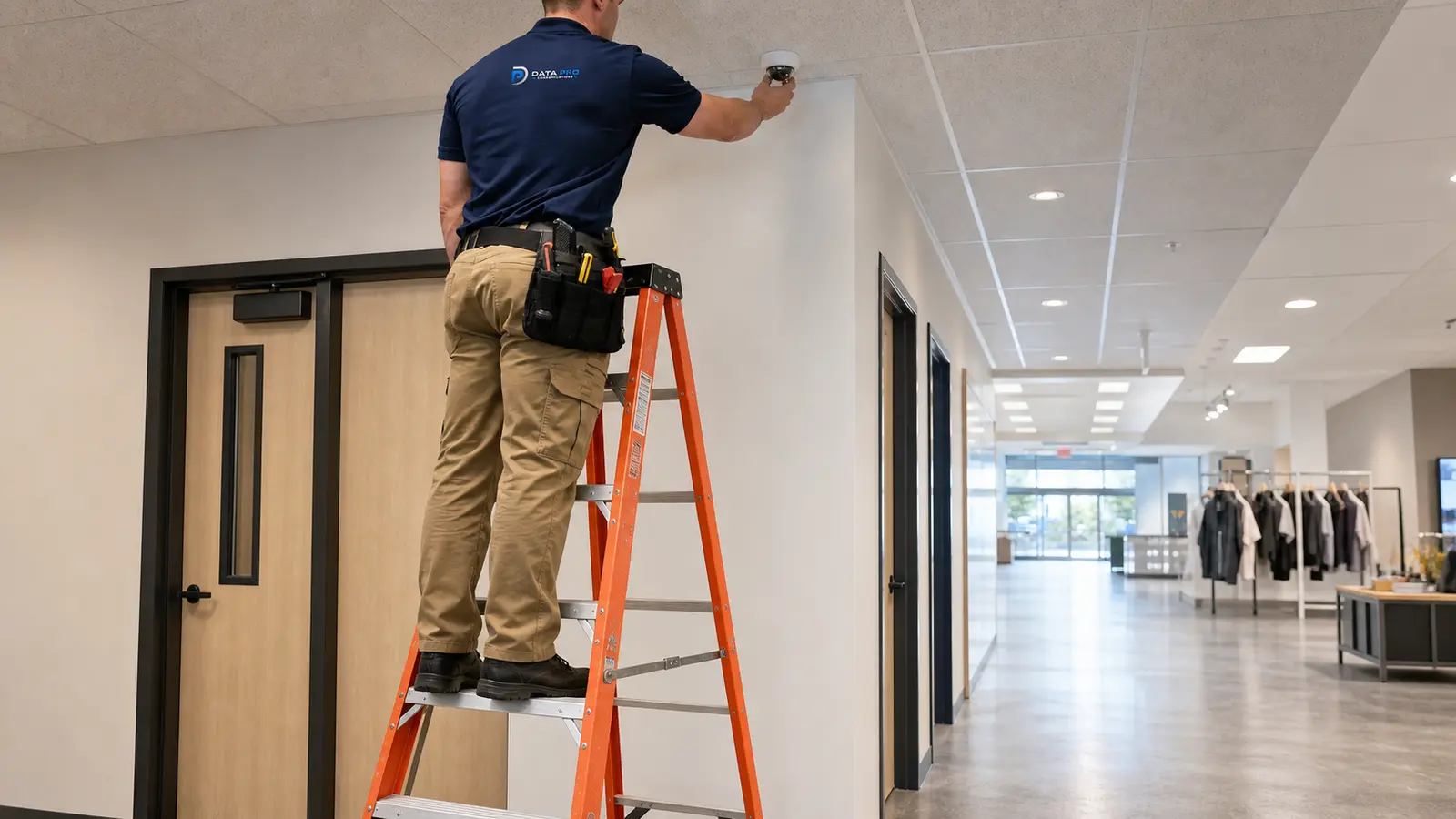
Commercial Security Cameras
Plan camera views, recording, remote access, storage, power, network capacity, and retention around the property’s operational needs.
Integrated Infrastructure for Dundee Businesses and Managed Properties
Data Pro Communications designs, installs, integrates, and supports commercial low-voltage systems for Dundee businesses, community facilities, retail properties, offices, light-industrial sites, and managed properties. Our work brings security, connectivity, controlled entry, and communications infrastructure into one coordinated project plan.
From new tenant build-outs and property upgrades to phased replacements of aging systems, we help owners, managers, contractors, and operations teams define requirements, document pathways, test performance, and prepare systems for reliable daily use.
Dundee is a growing Polk County community where commercial sites often combine customer-facing areas, back-of-house operations, storage, parking, and shared property access. Projects may need to account for active businesses, limited pathways, future expansion, and coordination with broader site improvements. A unified low-voltage plan helps avoid isolated systems and repeated construction.
Our scope can combine physical security, controlled access, communications, connectivity, pathways, testing, and documentation so that owners and managers receive a maintainable system rather than isolated device installations.
Plan camera views, recording, remote access, storage, power, network capacity, and retention around the property’s operational needs.
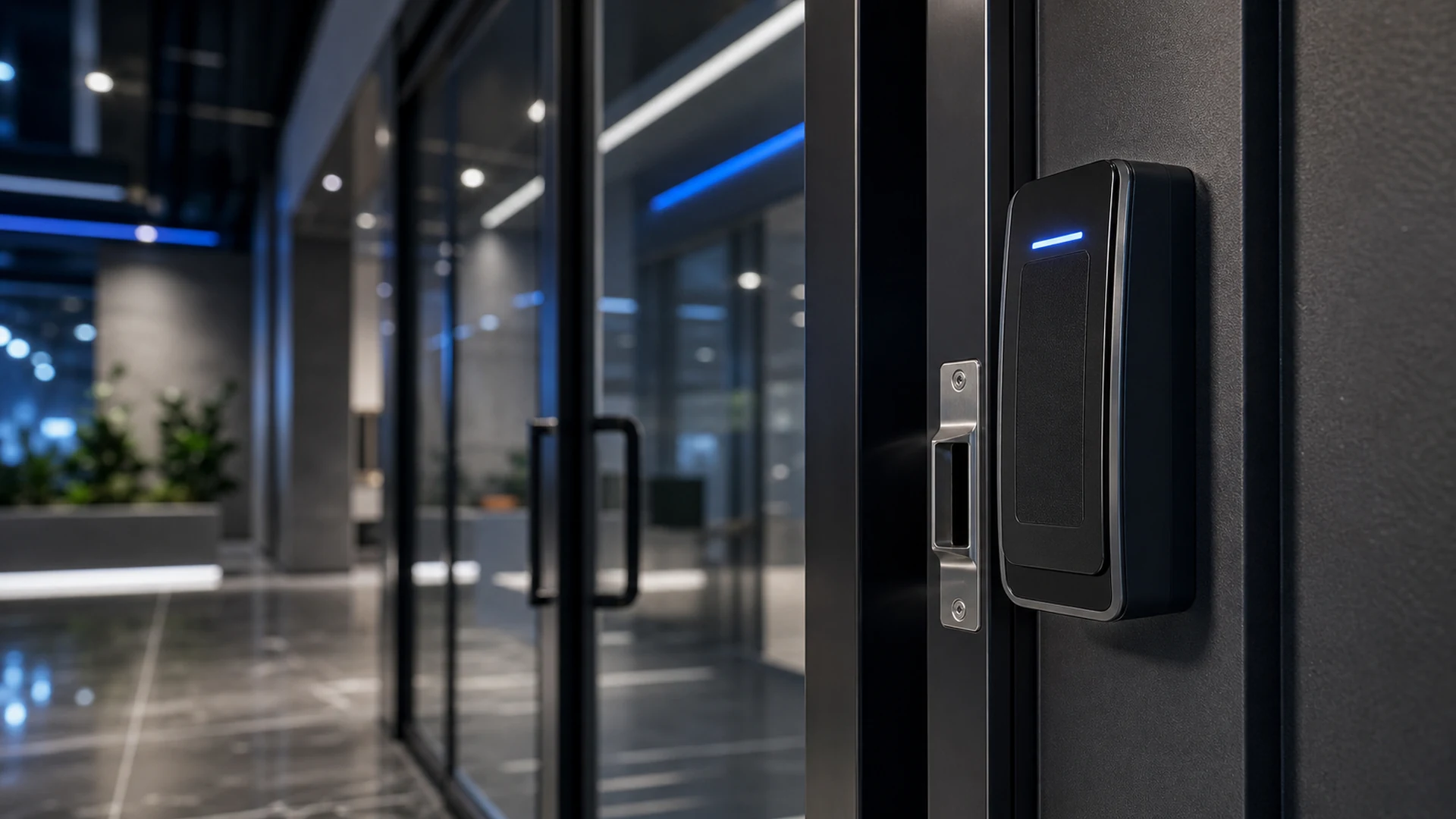
Coordinate credentials, readers, door interfaces, schedules, audit trails, and controlled-entry workflows.
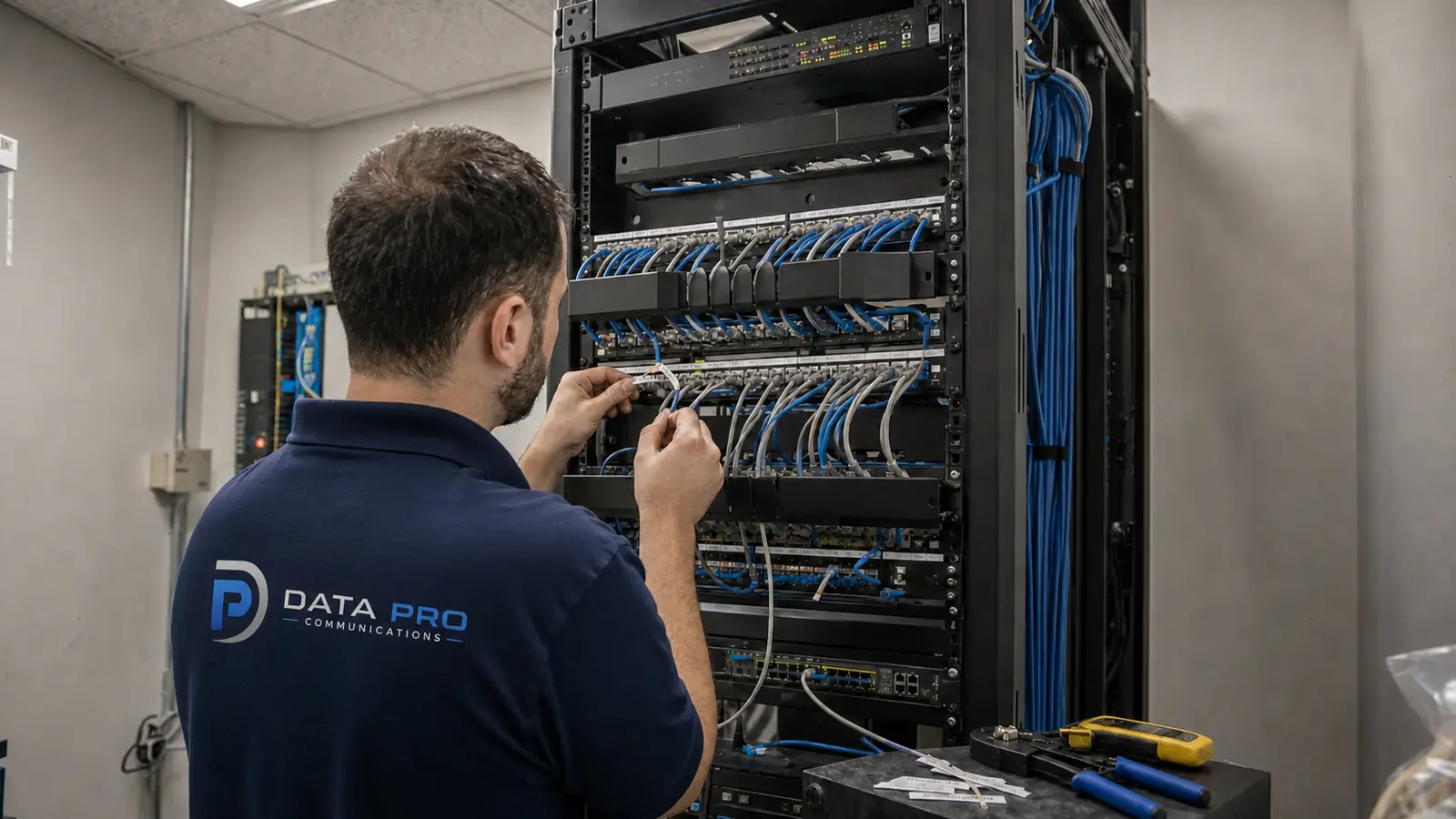
Install organized, labeled copper cabling for data, voice, wireless, cameras, access, and connected systems.
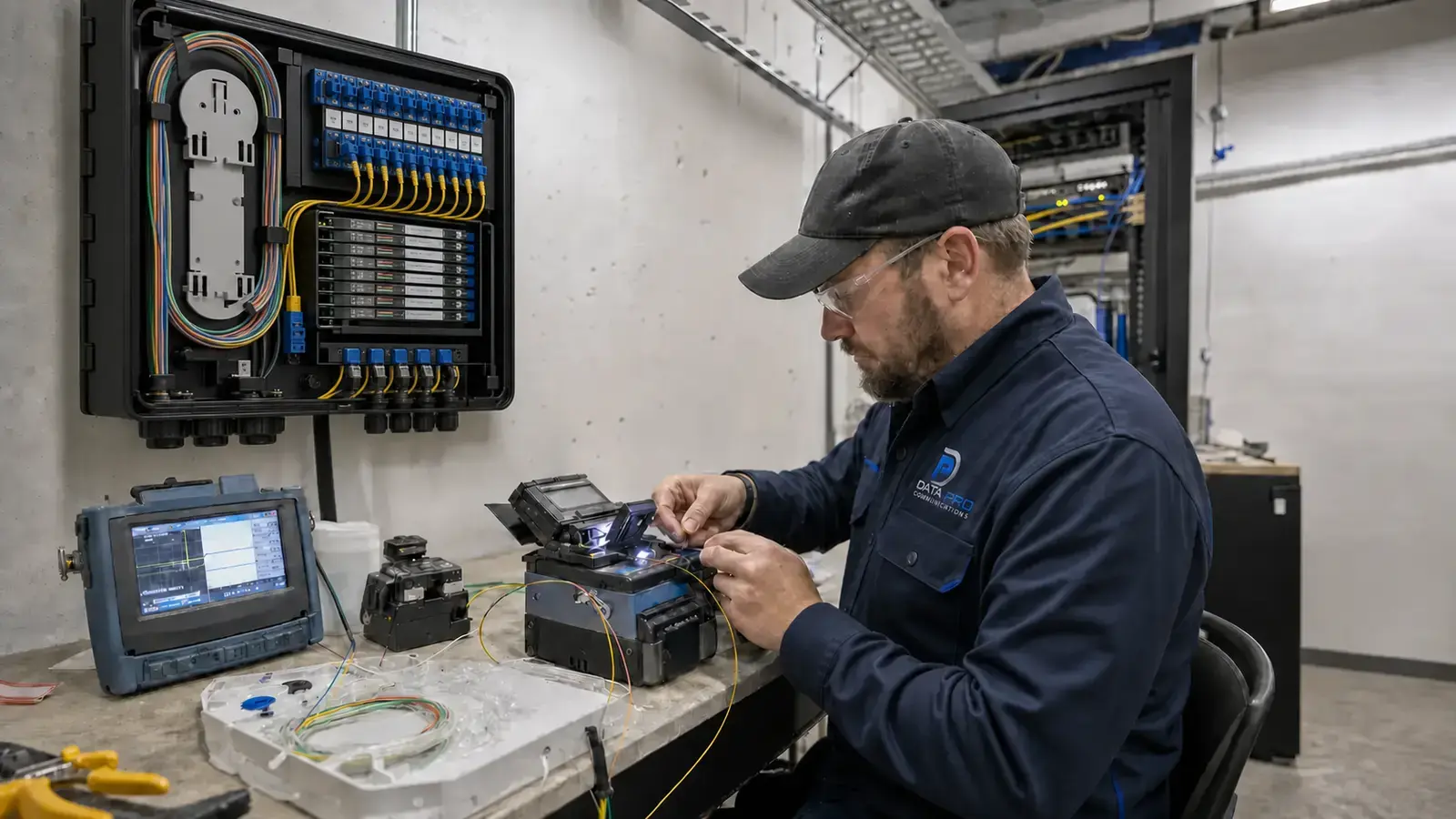
Build high-bandwidth backbones for long distances, building links, and scalable network cores.
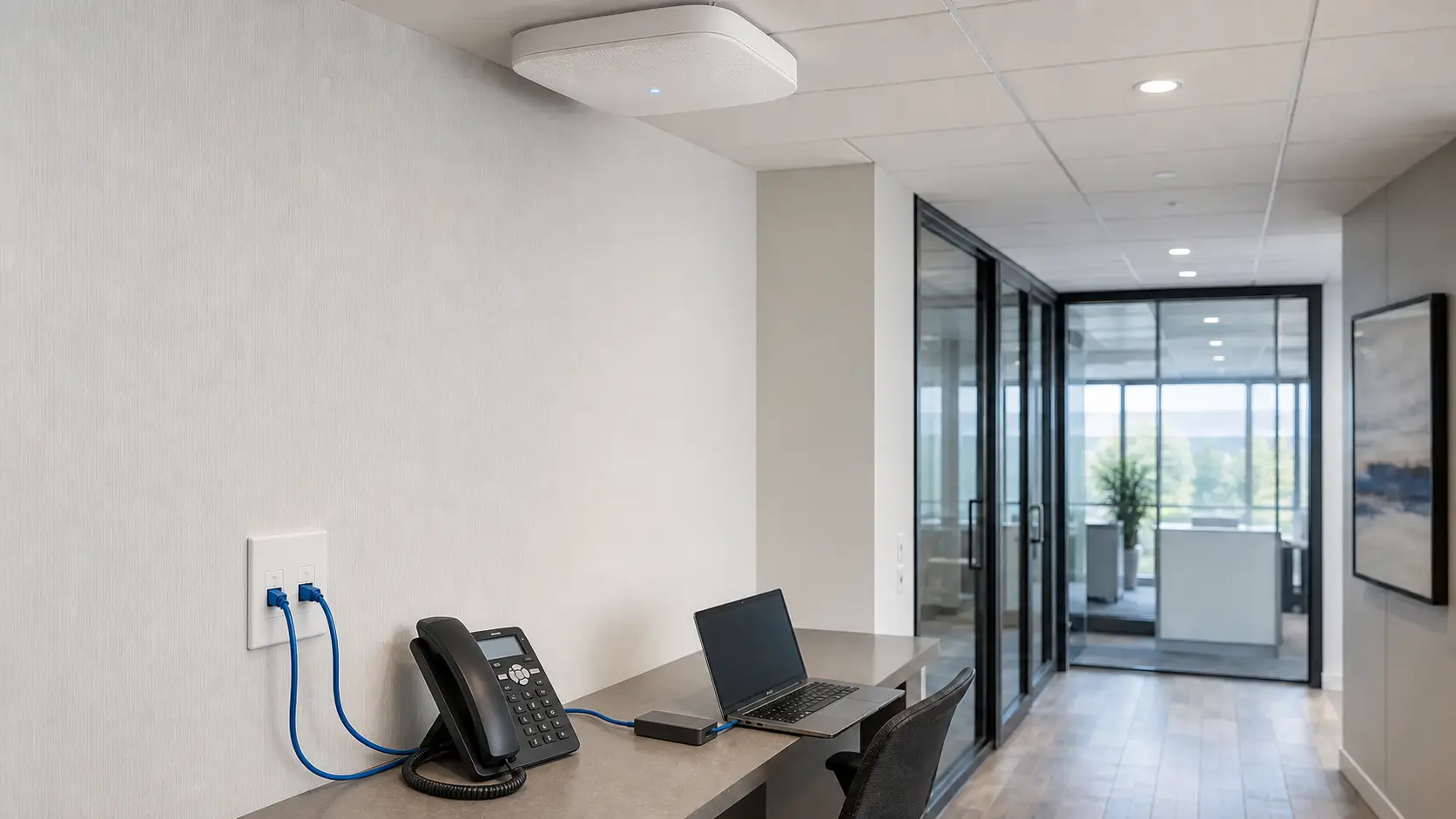
Plan racks, switching, PoE, uplinks, wireless connectivity, segmentation, and device management.
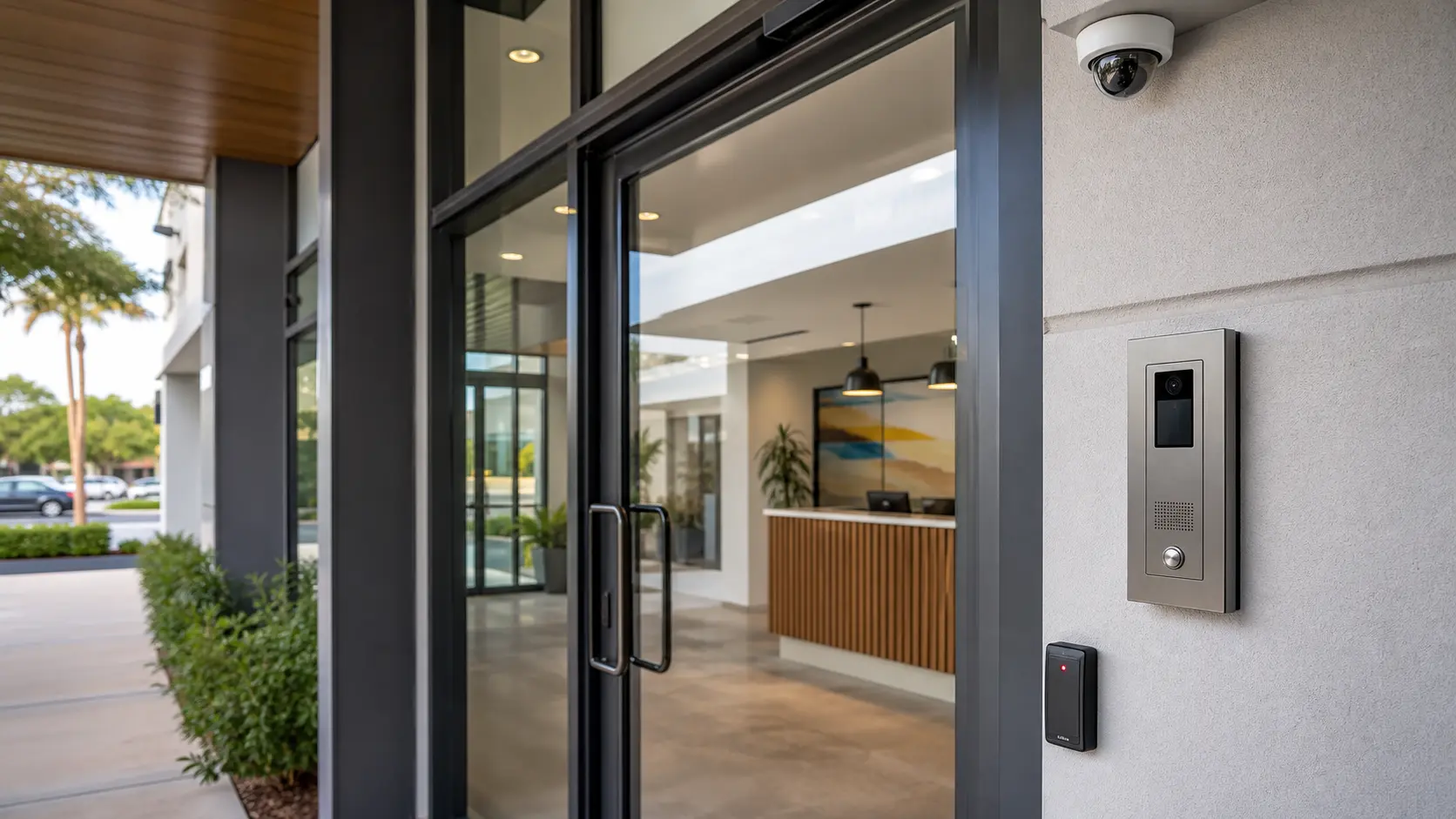
Support visitor communication, door or gate release, and coordinated entry workflows.
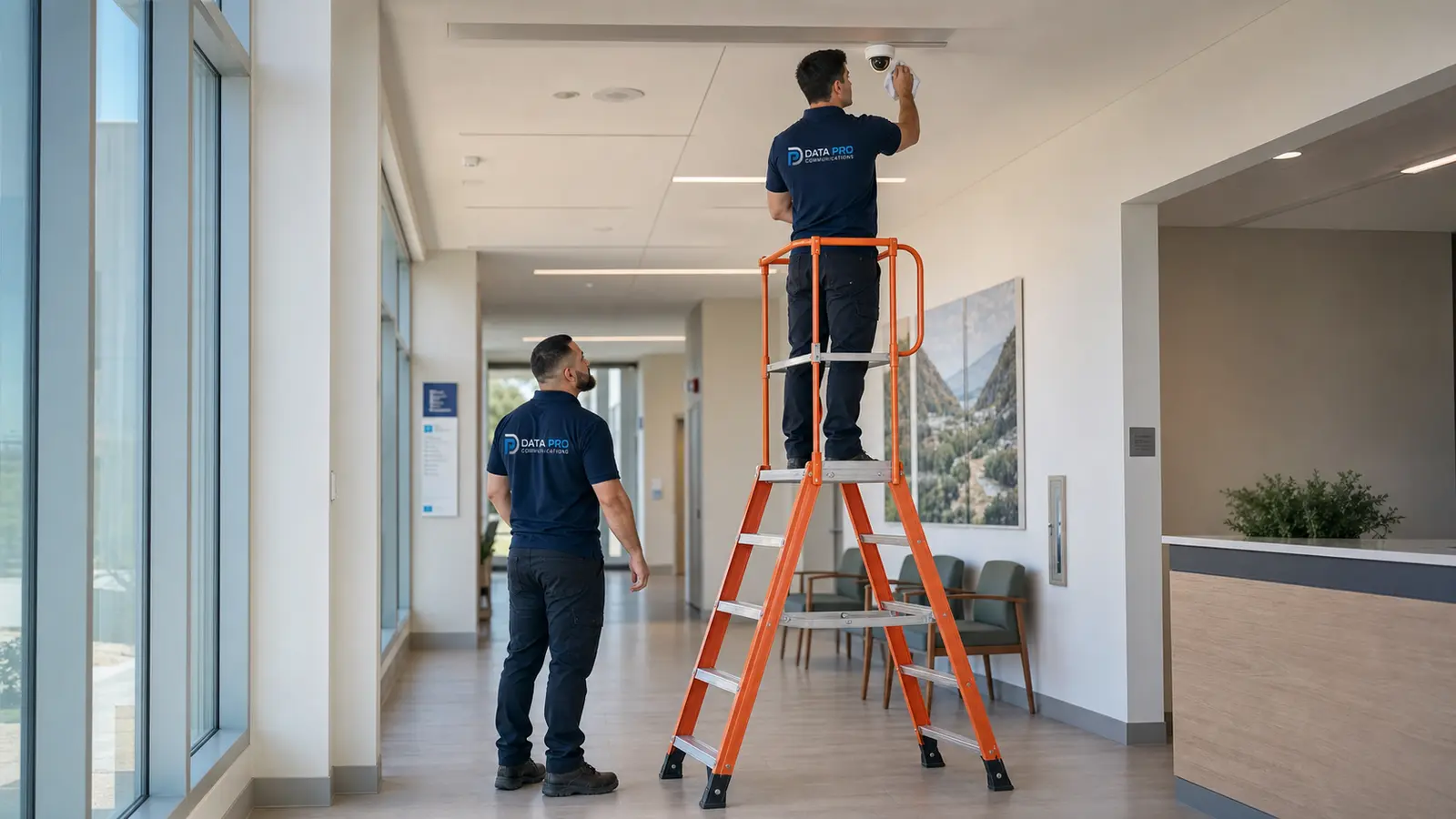
Troubleshoot supportable systems, repair infrastructure, replace failed devices, and plan lifecycle upgrades.
A typical property plan may combine copper and fiber backbones, managed network equipment, wireless coverage, cameras, recording, access-controlled doors or gates, intercom stations, rack organization, testing, labeling, and documentation. Final recommendations depend on survey findings and operational requirements.
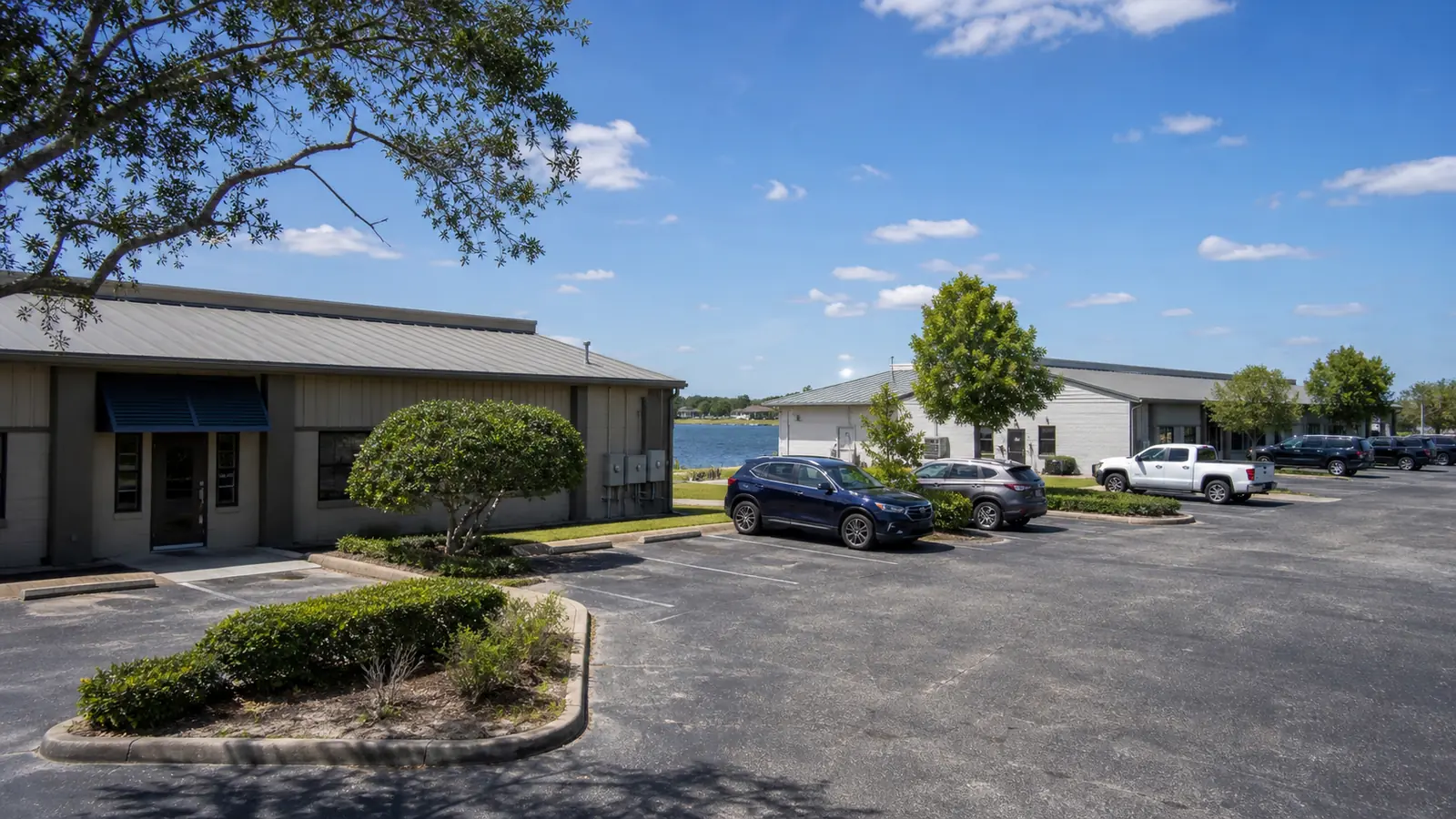
Review pathways, telecom spaces, power, mounting, distances, sequencing, and future capacity.
Coordinate compatible security, network, access, and communications components into one operational plan.
Provide labeling, test results, device schedules, as-built notes, and turnover records appropriate to scope.
Define property use, stakeholders, current problems, desired outcomes, and timing.
Review pathways, spaces, distances, doors, gates, coverage, network conditions, and constraints.
Coordinate system categories, scope boundaries, equipment, labor, testing, documentation, and sequencing.
Install approved infrastructure and devices while coordinating access, safety, and active operations.
Verify performance, label components, document the system, and provide handoff information.

We support offices, retail locations, managed properties, light-industrial sites, community facilities, multifamily common areas, and other commercial environments that need coordinated security, communications, and network infrastructure.
Yes. Pathways and work areas can be planned in phases to reduce disruption, protect active operations, and provide clear cutover steps for new data, voice, wireless, security, and building-system connections.
Yes. Access control, credential readers, door hardware interfaces, intercoms, and visitor entry components can be planned together so doors, communications, and security workflows operate as one system.
Fiber is useful for long-distance building links, high-bandwidth backbones, electrically noisy environments, campus-style sites, and locations that need reliable connectivity between telecom rooms or detached structures.
Yes. We can evaluate cabling, racks, switching, wireless coverage, device connectivity, and documentation to identify reusable components and prioritize the upgrades that will provide the most operational value.
Often they can. The final design depends on the property, existing hardware, network availability, door or gate operators, credential workflow, and the specific platforms selected for the project.
Yes. A phased plan can separate backbone work, priority security areas, access-controlled openings, network improvements, and future expansion while keeping documentation consistent across each phase.
A site survey reviews property use, telecom spaces, pathways, distances, door and gate conditions, camera views, network needs, mounting conditions, power availability, access limitations, and project coordination requirements.
Yes. Existing cable, enclosures, devices, licenses, and network equipment can be evaluated for condition, compatibility, support status, and performance before a reuse or replacement recommendation is made.
Project closeout can include cable labels, test results, device naming, port assignments, system configuration records, as-built notes, user handoff information, and identified items for future expansion.
Scheduling is coordinated from the Lakeland office based on project scope, site access, material readiness, property operating hours, and any contractor or manager coordination required for the work.
Data Pro Communications provides commercial low-voltage systems integration for Dundee and surrounding Polk County service areas from our Lakeland office.